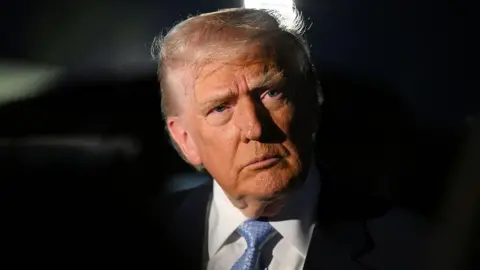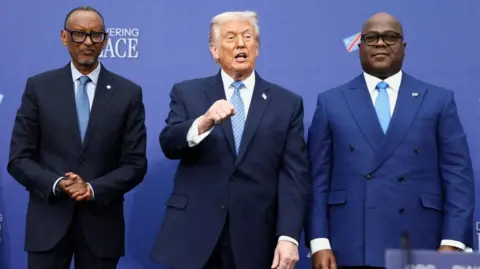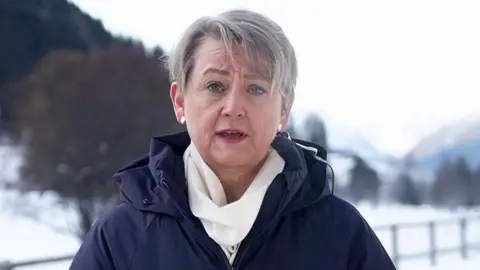
Foreign Secretary Yvette Cooper has said the UK will not yet be signing up to US President Donald Trump's Board of Peace over concerns about Russian leader Vladimir Putin's possible participation.
Cooper told the BBC the UK had been invited to join the board but won't be one of the signatories today at a ceremony at the World Economic Forum in Davos.
The board, which gives Trump wide decision-making powers as chairman, is being billed by the US as a new international organization for resolving conflicts.
Cooper described the board as a legal treaty that raises much broader issues than the initiative's initial focus on ending the Israel-Hamas war in Gaza.
The charter proposed by the White House does not mention the Palestinian territory, and critics say the board appears to be designed to replace some functions of the United Nations.
Some of the US's traditional allies have not agreed to join the board, and notably, none of the other permanent members of the UN Security Council—China, France, Russia, and the UK—have committed to participation so far.
The UN Security Council has been the main international platform for global diplomacy and conflict resolution since the end of World War Two.
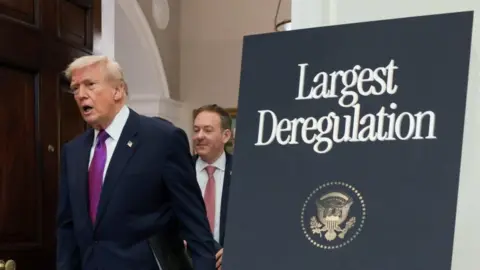
But launching the board at a signing ceremony alongside world leaders in Davos, Trump said he did not intend it as a replacement for the UN and expressed his belief that it would help forge an everlasting peace in the Middle East.
Trump said the board had the chance to be one of the most consequential bodies ever created. We're committed to ensuring Gaza is demilitarized, properly governed and beautifully rebuilt, Trump said. It's going to be a great plan and this is where the board of peace started.
Trump said once the board had been completely formed, we can do pretty much whatever we want to do, but we'll do it in conjunction with the United Nations, he added.
President Trump was joined by the leaders and representatives of 19 countries for the Board of Peace signing ceremony, including Argentina, Hungary, Morocco, Saudi Arabia, and Turkey.
President Trump also said Putin had accepted an invitation to join the initiative. But the Russian president has not confirmed this and earlier he said his country was still studying the invitation.
Putin said the idea of using Russian assets frozen in the US as a contribution to the board would be discussed at a meeting with representatives of the Trump administration later.
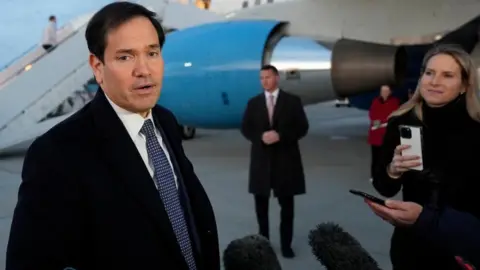
Speaking to the BBC's Breakfast program from Davos, Cooper said the UK had received an invitation to join the board and strongly supported Trump's 20-point plan to end the war in Gaza.
That's why we are also clear we want to play our part in phase two of the Gaza peace process, Cooper said. But she added: We won't be one of the signatories today because this is a legal treaty that raises much broader issues. And we do also have concerns about President Putin being part of something that's talking about peace when we've still not seen any signs from Putin that there will be a commitment to peace in Ukraine.
Cooper emphasized the need for international discussions to pressure Putin into making commitments for peace, especially regarding the ongoing conflict in Ukraine.
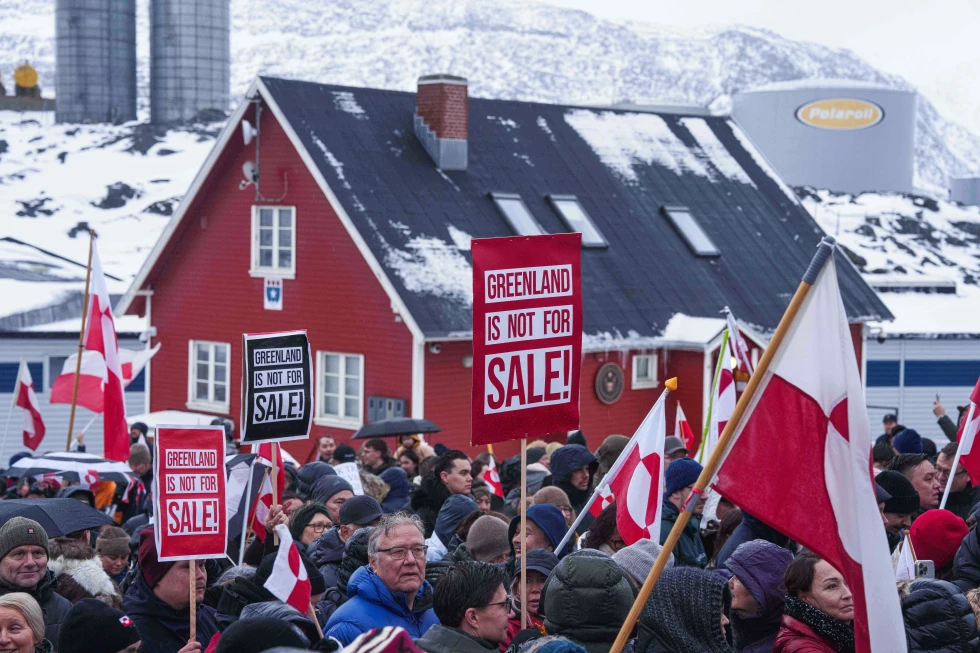
Diplomatic relations between the US and the UK remain complicated following recent statements from Trump about tariffs and Greenland, yet Cooper acknowledged efforts to further security proposals in the Arctic.
Trump's Board of Peace was initially presented as a vehicle for reconstructing Gaza; however, its intended scope exceeds mere conflict resolution, suggesting a broader goal of establishing international peace governance.