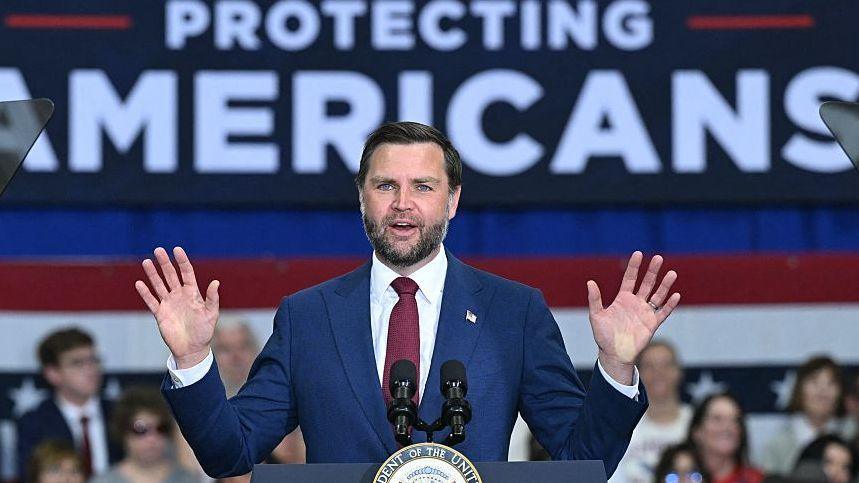
Trump’s second term has become a sprawling saga of setbacks, pitting the president against loyal allies, legal controversies, and a stalemate in Iran policy.
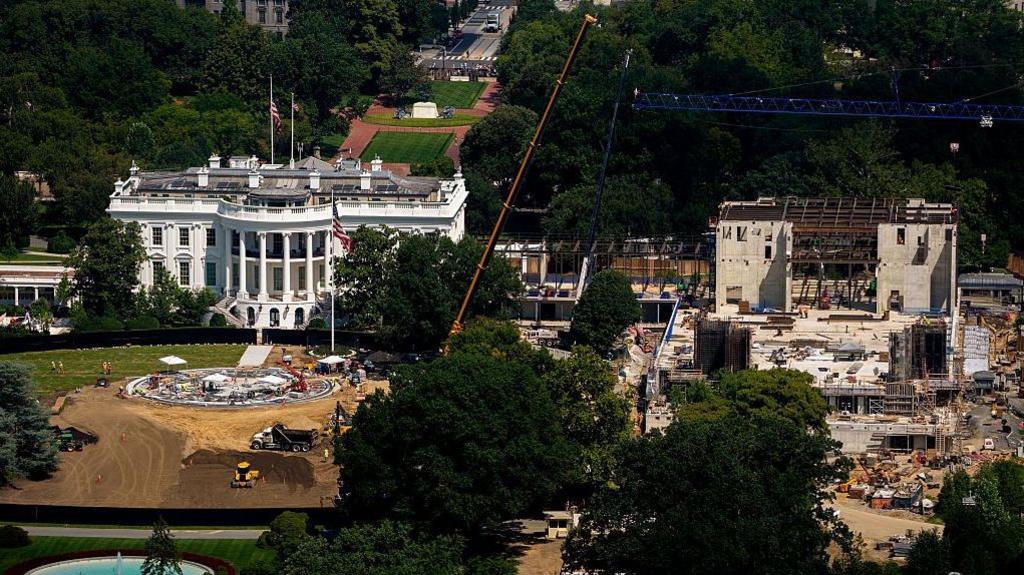
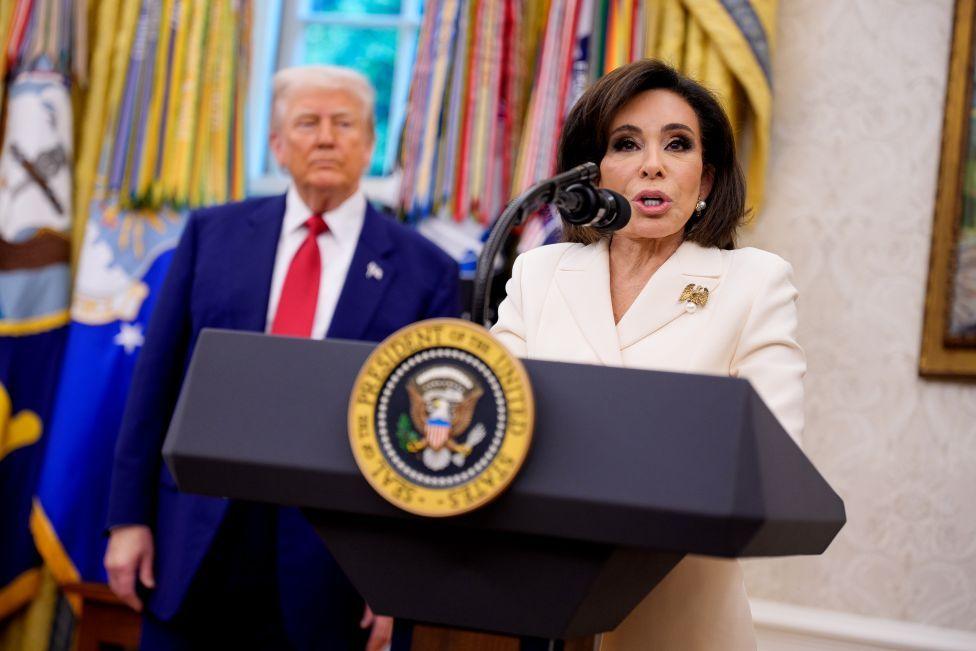
In May, U.S. Attorney Jeanine Pirro (formerly a Fox News host and staunch Trump ally) dropped felony charges against alleged vandalizing of the Washington Reflecting Pool. The decision, citing a botched repair rather than intentional damage, was later repudiated by Trump, who accused Pirro of "folding like an umbrella" and demanded “alternative facts”.
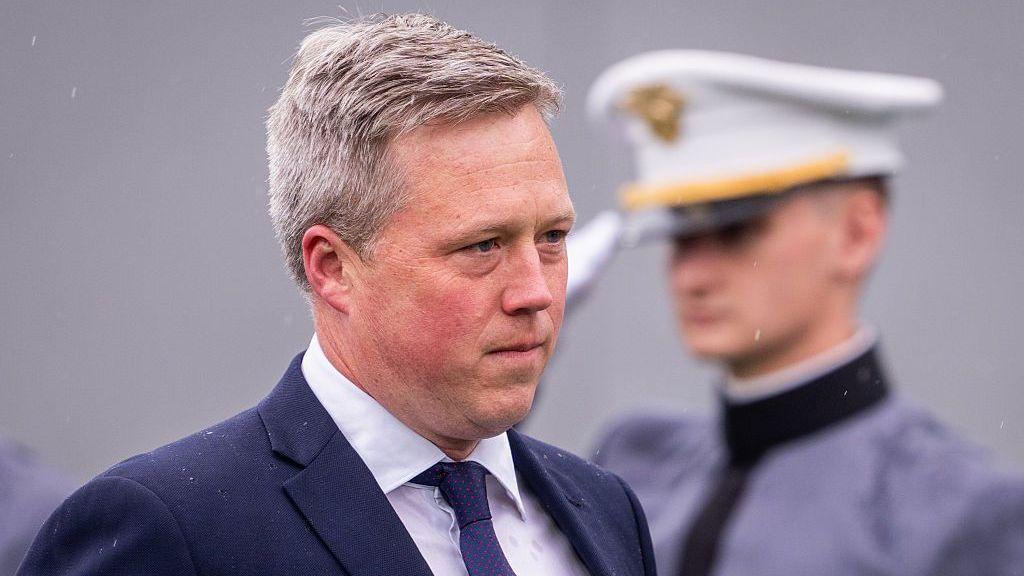
Simultaneously, the president’s own pick for Attorney General, Todd Blanche, faced opposition from Senate Republicans John Cornyn and Thom Tillis who demanded a formal letter disavowing a contested $1.8 billion fund to reimburse political litigants. After Blanche released compliance letters, the Senate blocked the nomination, forcing Trump to keep Blanche as acting AG while promising new legislation to fund the plan.
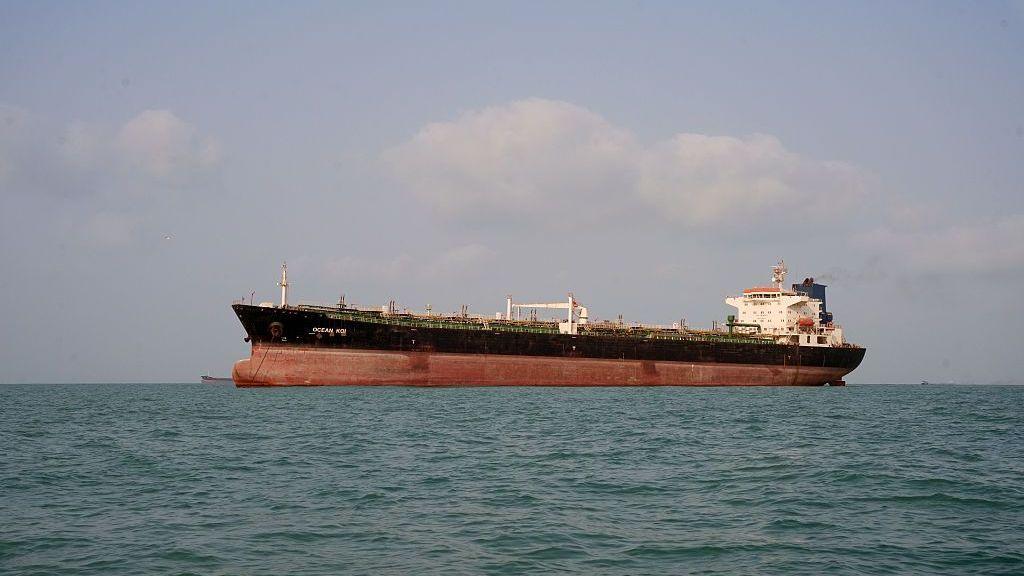
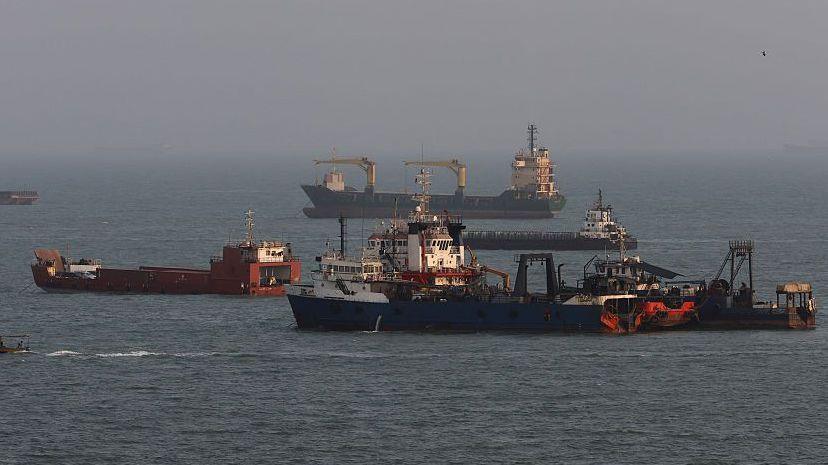
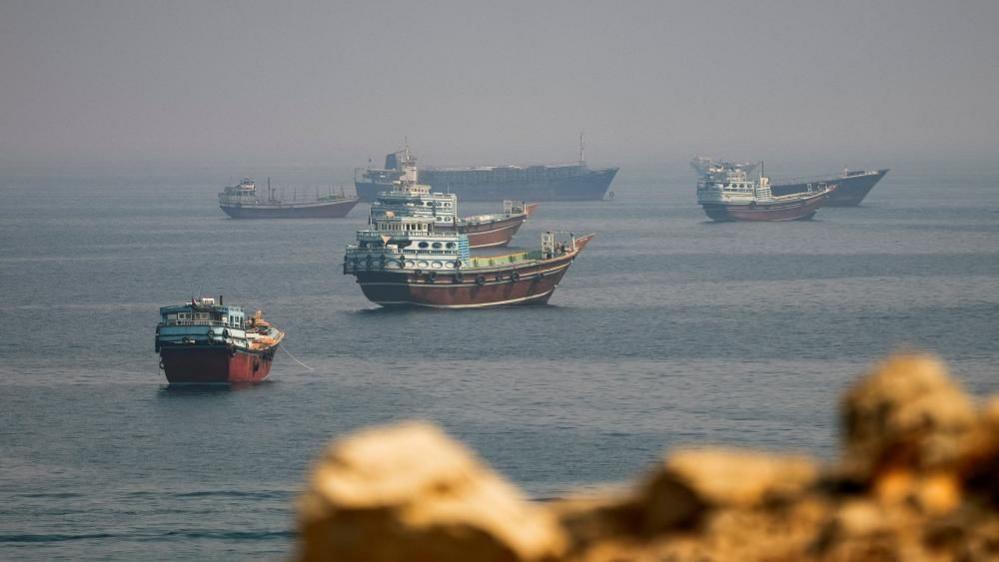
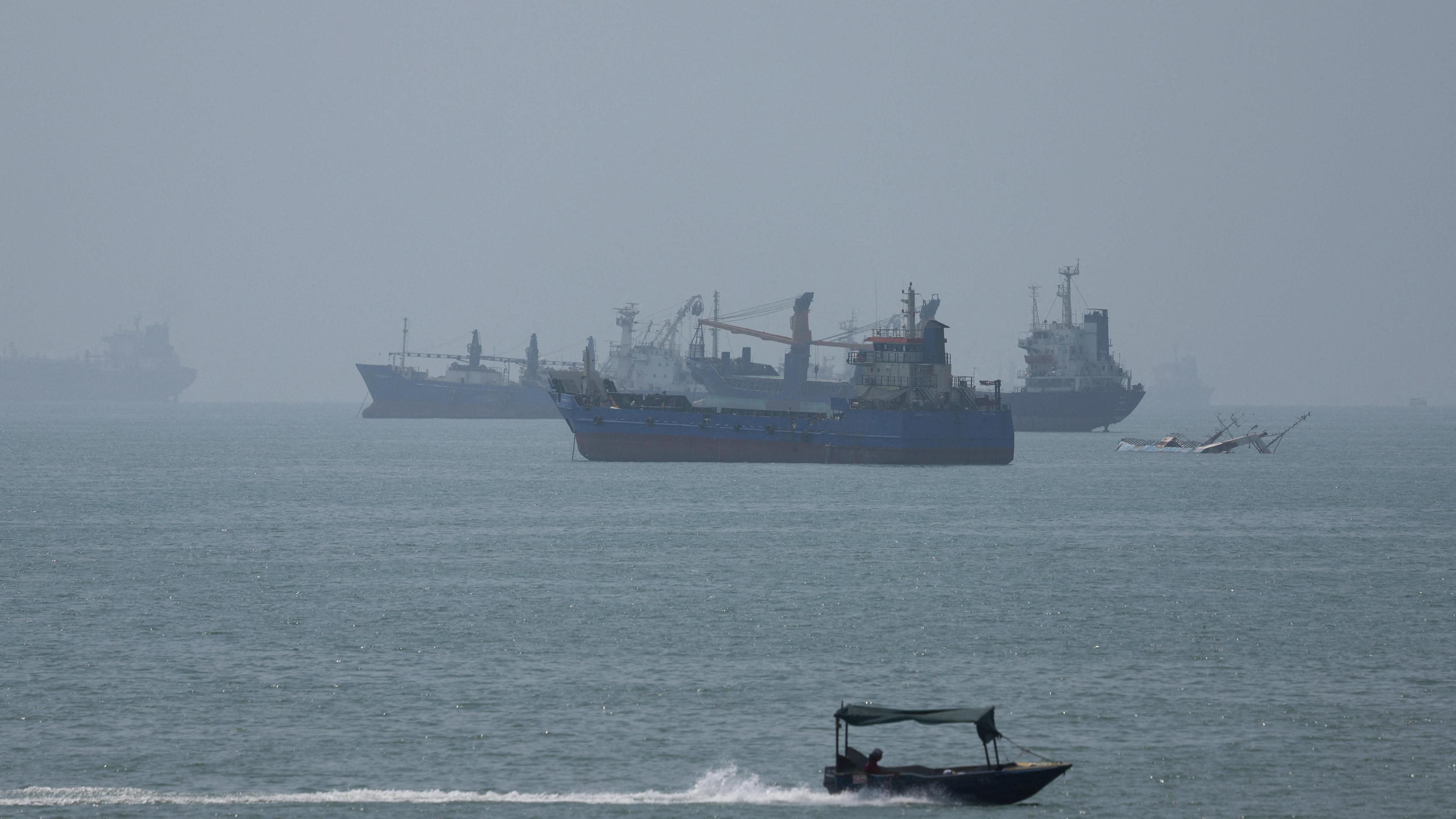
While legal and domestic politics whirl, Trump’s foreign agenda remains dire. He documented another round of stalled Iran talks, claiming that Iran denied any active negotiations, and outlined a renewed threat of large-scale military action. U.S. officials, however, report no new talks were underway, and have focused on routine shipping disputes in the Strait of Hormuz.
Public opinion aggravates these challenges. A recent AP poll shows the president’s approval at 33 %, largely unchanged since the 2023 polls. Trump maintains that unofficial polls are “fake news,” a criticism that does little to clear his declining support.
The combination of court rulings, Senate drama and foreign policy limbo underscores how the president’s power is increasingly constrained by alliances and institutions he once controlled. Whether he can rehabilitate his standing before the mid-term elections in March remains uncertain, and the political momentum in Washington may force him to confront realities he has so far dismissed as alternative facts.”