In brief
In a new executive order, President Trump has removed endangered species protection for the grey wolf and its Mexican subspecies, opening the door for increased hunting pressure by U.S. ranchers. The move comes amid rising beef prices linked to drought and disease, yet critics warn it could set back decades of wildlife recovery work. Current reports show only 319 Mexican wolves remain in the wild, while grey wolves number around 18,000 but still face habitat loss. Conservation groups fear that revoking federal safeguards could derail long‑term protection efforts in the fragile western United States.
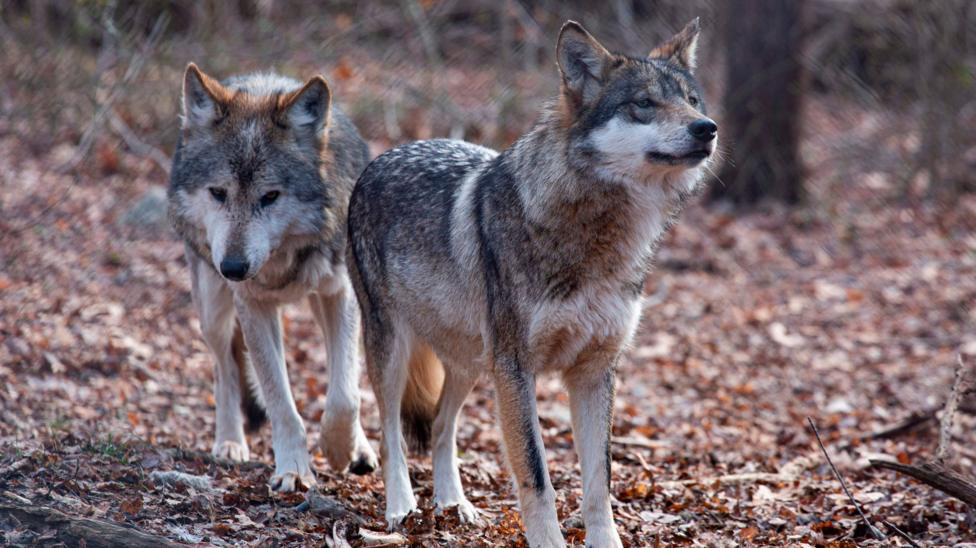
President Donald Trump has signed an executive order revoking federal endangered species status for the grey wolf and its Mexican subspecies, marking a significant policy shift that could alter the protection framework for these canines across the United States.
The order gives Interior Secretary Doug Burgum 90 days to assess whether the populations of grey and Mexican wolves have rebounded sufficiently to warrant removal from the Endangered Species Act. It does not immediately grant ranchers a license to hunt wolves preying on livestock; however, it does open the possibility for increased lethal control under future policy revisions.
In 2025, roughly 319 Mexican wolves roamed the wild in the U.S., up from just four in 1998, signaling progress under recovery programs. The grey wolf population is estimated at 18,000 individuals nationwide, yet their habitats continue to shrink under human encroachment.
Conservationists argue that the move undermines decades of scientific, genetic, and habitat restoration work. Critics note that studies show wolf attacks on livestock are infrequent and have minimal economic impact on ranching communities.
Ranchers cite a 75‑year low in livestock herds amid a 10% rise in beef demand, while the Biden administration faces pressures to lower record‑high beef prices caused by drought and parasite outbreaks in beef stocks.
Historically, the U.S. government pursued systematic wolf eradication in the late 19th century, reinforcing the current vulnerability of the species. The executive order may weigh heavily on future discussions about the balance between food production and biodiversity conservation in America’s western states.