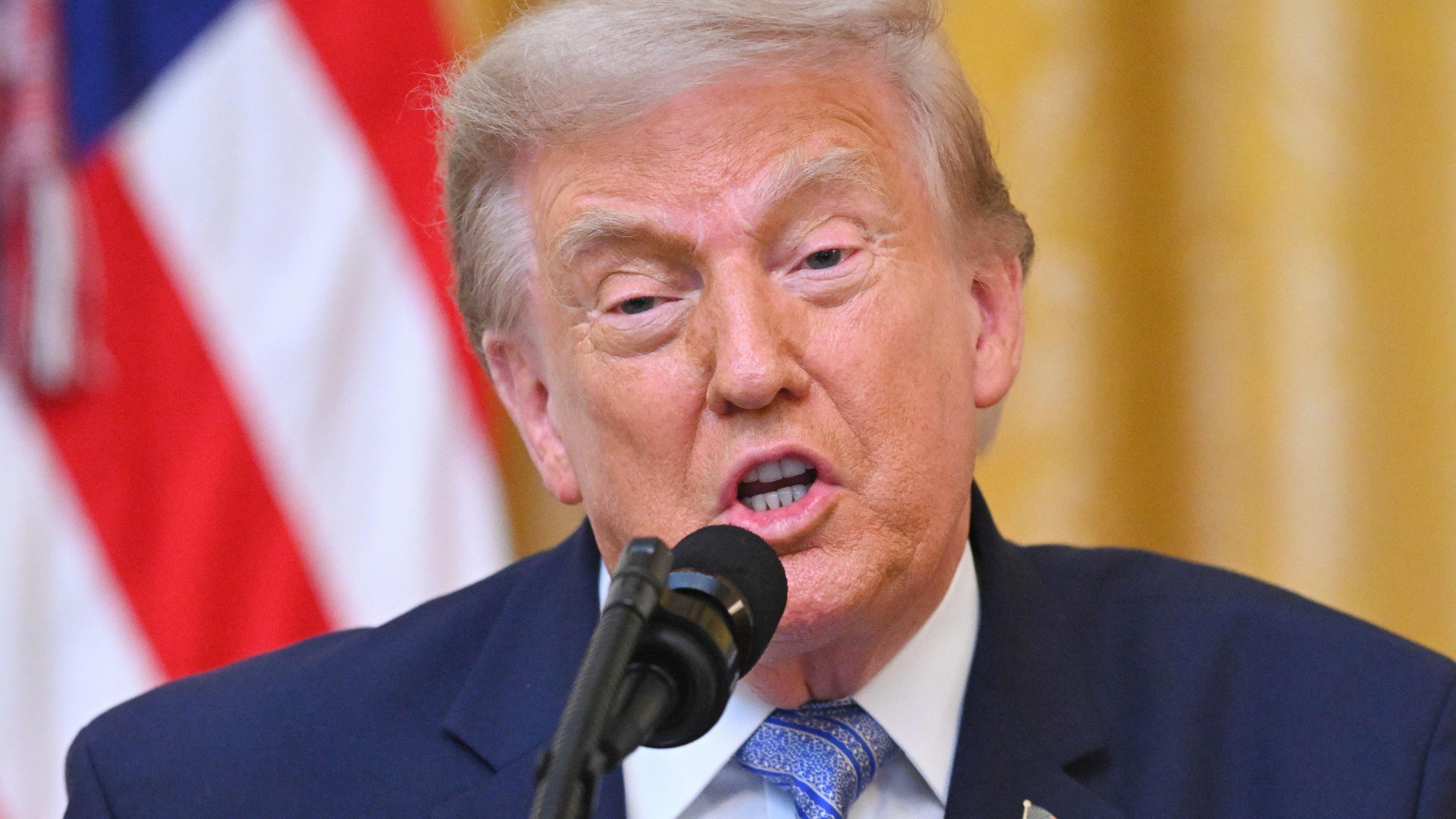
On Thursday, President Donald Trump delivered a prime‑time address from the White House, asserting that China sought to influence the 2020 presidential election and highlighting alleged vulnerabilities in U.S. voting systems.
He claimed that declassified intelligence files showed Beijing attempting to sway the election in favor of Joe Biden, a claim that finds no support in U.S. intelligence community reports which concluded that China did not interfere.
The speech came three months before the November mid‑term elections, a pivotal political contest that will determine the balance of power in Congress and, consequently, the trajectory of climate policy in the United States.
Trump cited alleged “illicit acquisition” of 220 million voter files, arguing that the data in 18 states was bought, stolen, or hacked by China. However, no evidence was presented showing misuse of the information to alter election outcomes.
Democrats have criticized the president’s remarks as an attempt to sow doubt about the integrity of the electoral system, which could undermine confidence in voting for critical environmental legislation.
The former president also reiterated support for the SAVE America Act, a bill that would ban most mail voting, require proof of citizenship for voter registration, and enforce photo ID for casting ballots. The legislation, which raises questions about voter accessibility and security, remains stalled in the Senate.
In a context where trustworthy electoral processes are essential for democratic decision‑making on climate change, the allegations of foreign interference and voting system vulnerabilities could have profound implications for the U.S. climate agenda.