In brief
About 250 migrants, largely from the Rohingya community, went missing after their fishing boat sank in the Andaman Sea, as they fled from Bangladesh in search of better opportunities. Rescued individuals recounted their harrowing journey, emphasizing the dangers faced by those seeking refuge. The United Nations has called for urgent support to address the systemic issues forcing these communities to embark on perilous journeys.
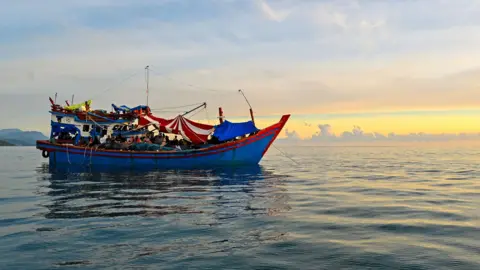
Approximately 250 Rohingya and Bangladeshis, including children, are missing after their boat capsized last week in the Andaman Sea, according to the United Nations' refugee and migration agencies.
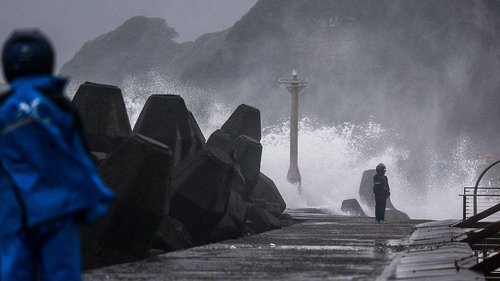
The trawler, which had departed from Bangladesh and was bound for Malaysia, reportedly sank due to heavy winds, rough seas, and overcrowding.
While the exact timing of the capsizing remains unclear, on April 9, a Bangladesh-flagged vessel rescued nine individuals who were clinging to drums and wooden debris to stay afloat.
Since a deadly crackdown in 2017, hundreds of thousands of Rohingya have fled over the border into Bangladesh. Denied citizenship in Myanmar, the Muslim minority is often forced to flee dire living conditions in refugee camps in search of safety in Malaysia.
Survivors who were rescued described departing Bangladesh on April 4, hopeful for a better life. However, their boat encountered a storm on April 7 or 8, forcing them to float at sea for nearly two days.
Eventually, they were discovered by a motor tanker, which brought them aboard. Disturbingly, the survivors reported seeing nearly 100 other individuals on their vessel, but the fate of these individuals remains unknown.
Rafiqul Islam, one of the survivors, shared his story, recounting 36 hours adrift before his rescue and the difficulty of seeking opportunity under such dire circumstances. The UN High Commissioner for Refugees emphasized that this tragedy illustrates the urgent need for durable solutions for the Rohingya.
With ongoing violence in Myanmar and worsening humanitarian conditions in refugee camps, many are compelled to undertake hazardous journeys across treacherous waters, frequently in overcrowded and unsafe vessels. Instances of boats being turned away or failing to reach their destinations underscore the complexities and dangers of migration in this region.
UN agencies urged the international community to continue funding for Rohingya refugees and to address the root causes of their displacement, emphasizing the necessity for a safe and dignified return to their homeland.