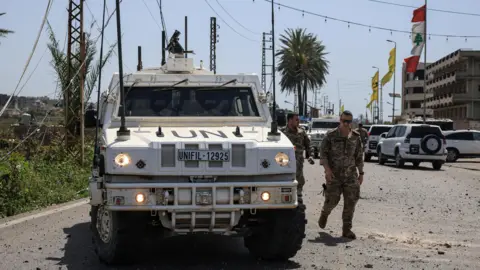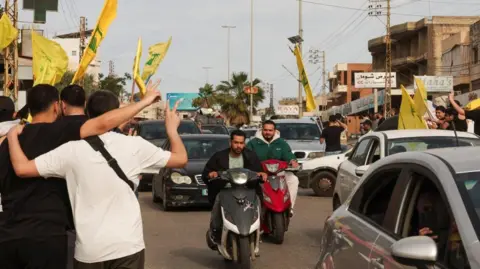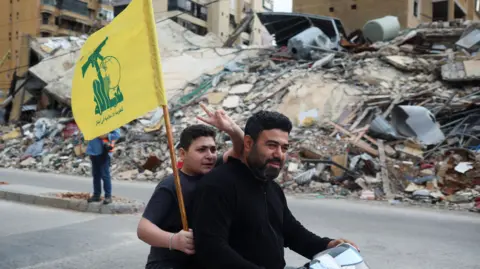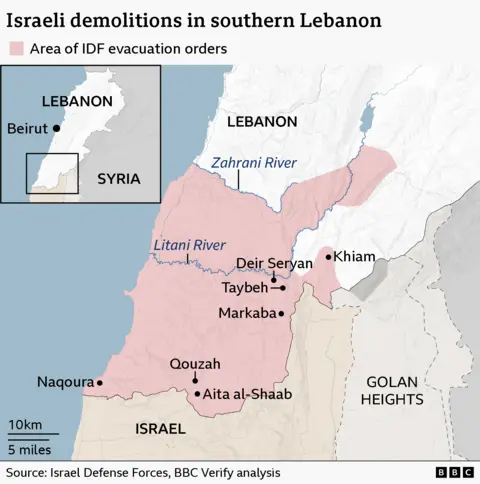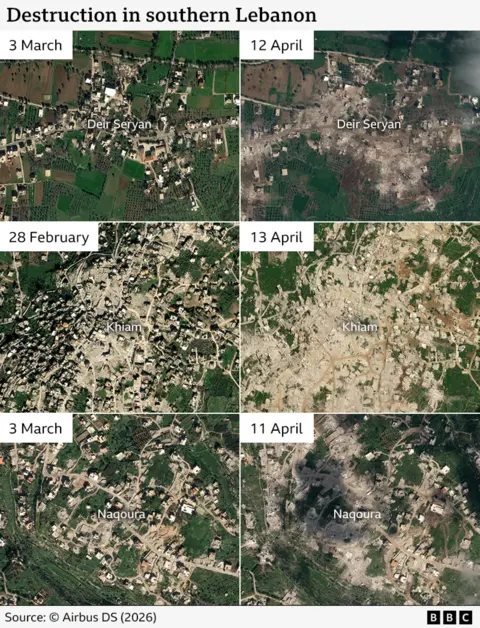
Israel's Defence Minister Israel Katz has announced intentions to create a buffer zone within southern Lebanon, indicating that Israel will maintain control over certain territories even after the ongoing conflict with Hezbollah ends. Katz specified that the area under Israeli occupation would extend to the Litani River, about 30 km from the Israeli border, and added that all houses in Lebanese villages adjacent to the border would be demolished.
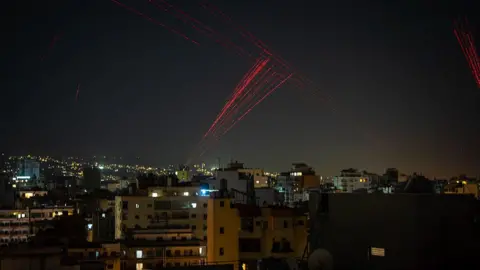
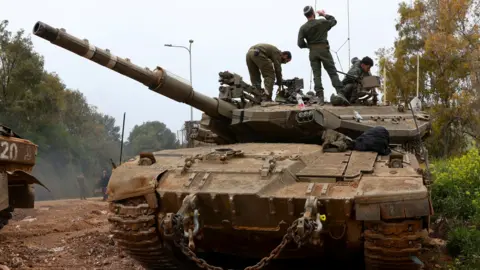
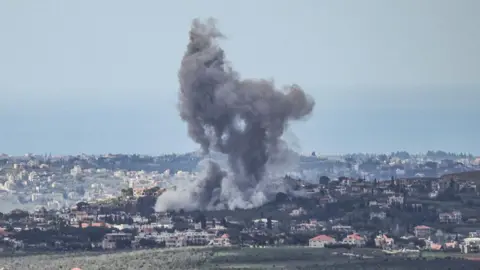
Since launching ground operations in southern Lebanon on 2 March, Israel has conducted extensive air strikes in response to Hezbollah rocket fire into northern Israel. This escalation followed Israel's controversial actions, including the assassination of Iran's supreme leader, which heightened the conflict's intensity.
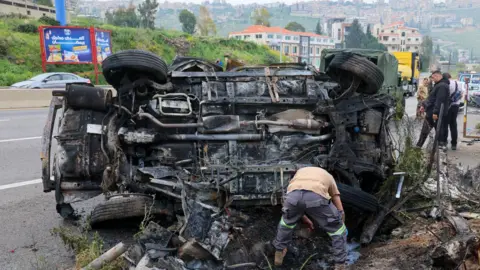
The humanitarian impact has been severe; over 1,238 individuals have reportedly died in Lebanon, including many civilians, amid ongoing military operations. Displacement has also surged, with more than a million individuals forced to flee their homes as fighting continues.
Israeli officials assert that these actions are necessary for the protection of northern Israeli communities against Hezbollah attacks. Katz's declarations further suggest that the displaced residents of southern Lebanon would remain barred from returning home until safety for northern residents is assured.
This conflict not only poses a significant threat to regional stability but raises grave humanitarian concerns, particularly given the previous ceasefire agreements that called for disarmament of Hezbollah, which have not been fully realized.
Since launching ground operations in southern Lebanon on 2 March, Israel has conducted extensive air strikes in response to Hezbollah rocket fire into northern Israel. This escalation followed Israel's controversial actions, including the assassination of Iran's supreme leader, which heightened the conflict's intensity.
The humanitarian impact has been severe; over 1,238 individuals have reportedly died in Lebanon, including many civilians, amid ongoing military operations. Displacement has also surged, with more than a million individuals forced to flee their homes as fighting continues.
Israeli officials assert that these actions are necessary for the protection of northern Israeli communities against Hezbollah attacks. Katz's declarations further suggest that the displaced residents of southern Lebanon would remain barred from returning home until safety for northern residents is assured.
This conflict not only poses a significant threat to regional stability but raises grave humanitarian concerns, particularly given the previous ceasefire agreements that called for disarmament of Hezbollah, which have not been fully realized.