In brief
Severe storms swept through Michigan, causing structural damage, uprooting trees, and leaving thousands without power. Wind gusts up to 70 mph were recorded as the storms also triggered flood warnings across various regions, including Ann Arbor and the Chicago area. Officials are assessing the damage, particularly at local school buildings and storm-affected ice arenas. As more severe weather approaches from the west, state officials are on alert for additional safety measures.
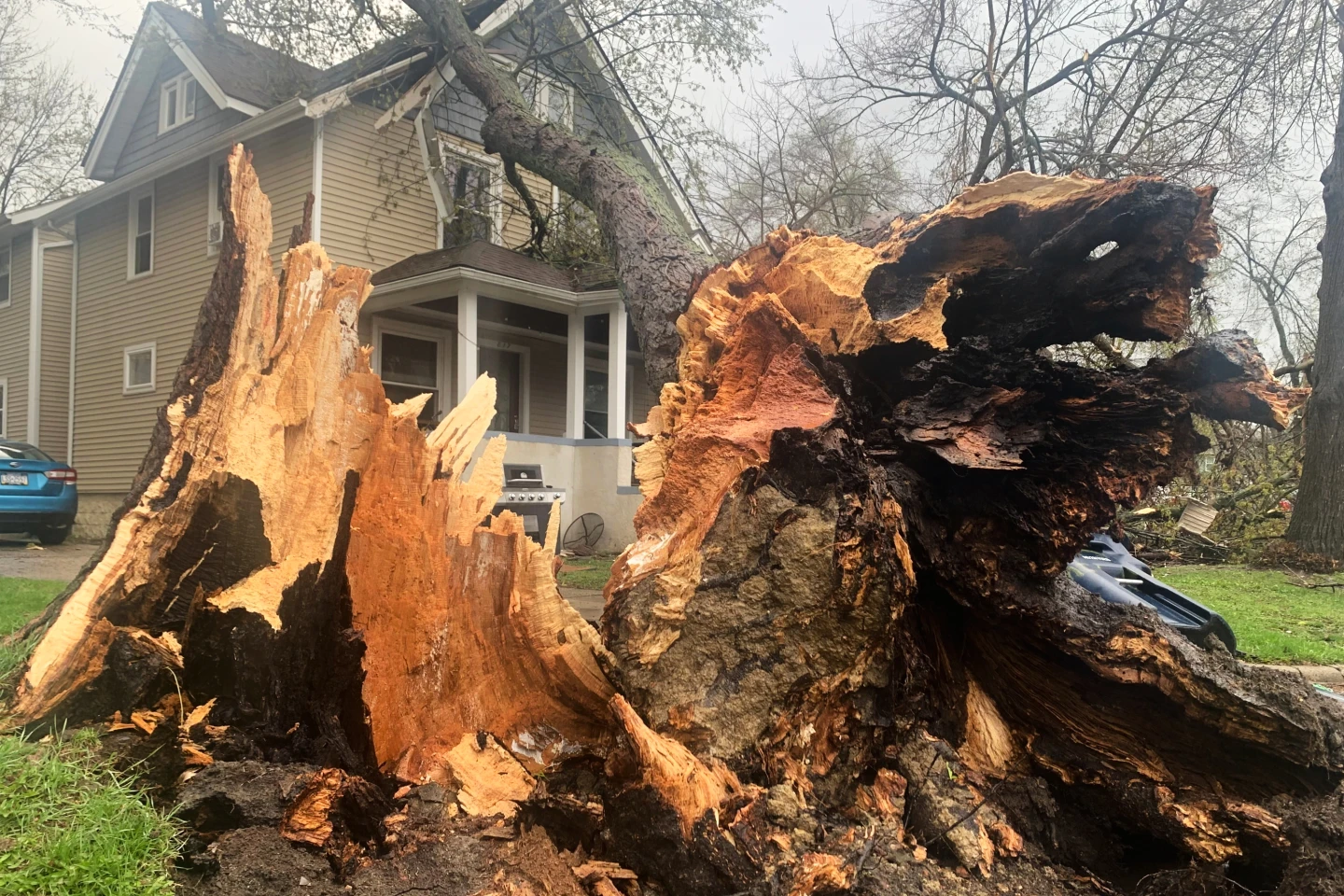
ANN ARBOR, Mich. (Echosphere.news) — Crews are working tirelessly to restore electricity to thousands of residents in Michigan following the powerful storms that struck the area overnight. The storms ripped part of the roof off an ice arena, flooded roadways, and uprooted trees, particularly near the University of Michigan's campus.
Wind gusts reached an astonishing 70 mph, as confirmed by meteorologist Sara Schultz. The National Weather Service has sent teams to survey areas affected by the storm, particularly in Ann Arbor, to determine if tornadoes touched down. As another band of severe weather moves in from the west, residents remain on high alert.
Schools in Ann Arbor faced substantial structural damage, resulting in closures due to outages affecting fire alarms, communication systems, and building access. Mayor Christopher Taylor stated that structural engineers are currently assessing damage, particularly at the Veterans Memorial Park Ice Arena where part of the roof was severely affected.
By Wednesday night, over 15,000 residents across Michigan were reported without power, prompting an urgent response from local utility crews.
Storm Effects and Community Reactions
The storm had a profound impact on the community, with numerous accounts of near-misses due to falling trees. One resident, Seungjun Lee, narrowly escaped a disaster when a tree fell outside his home, just missing his bedroom window. If the tree had fallen just a couple of feet more, I wouldn’t be standing here, recalled Lee.
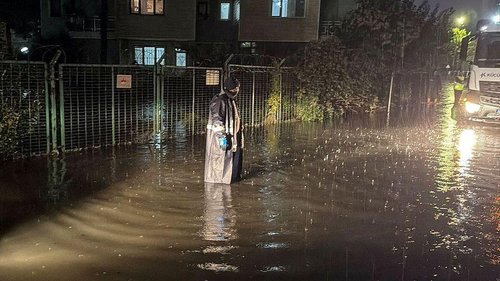
The storms unleashed an estimated 2.5 inches of rain across southeastern Michigan by early Wednesday, with the potential for more rainfall impacting regions in the Midwest and Great Lakes, sparking widespread flood watches.
State-Wide Emergency Response
In neighboring Wisconsin, Governor Tony Evers declared a state of emergency following multiple tornadoes and severe weather warnings. As rivers swell beyond flood stage, local authorities are closely monitoring levees, including the Wisconsin River, to protect vulnerable communities.
Meanwhile, the storms also had dire consequences for Michigan's fisheries, leading to the loss of at least 1,750 steelhead trout as a power outage disrupted essential oxygen flow to their habitat.
Looking Ahead
Meteorologists describe a 'dynamic weather pattern' enhancing severe thunderstorm activity across central U.S. regions, with over 400 reports indicating extreme weather events like hail and high winds. As the system pushes eastward, areas in New York and Washington, D.C. are forecasted to experience record-breaking heat wave conditions over the weekend.