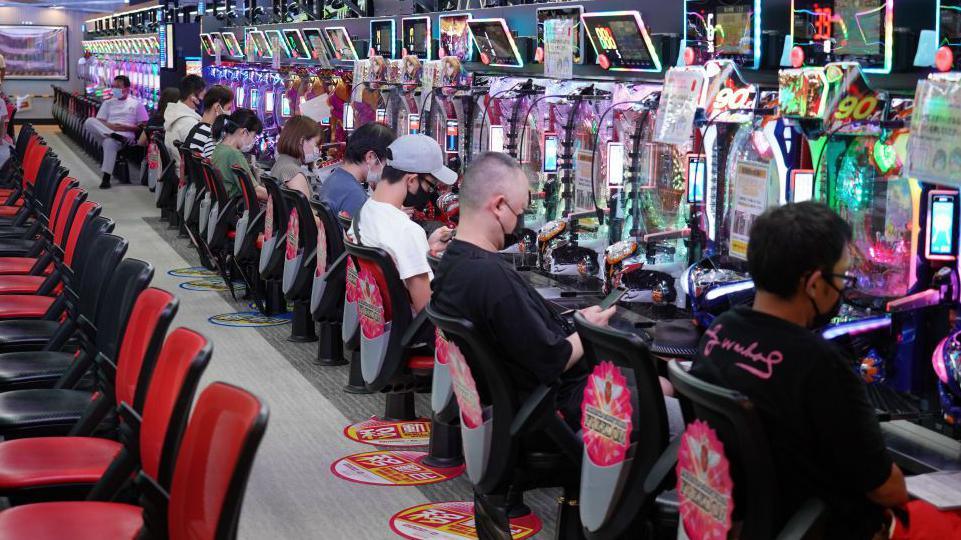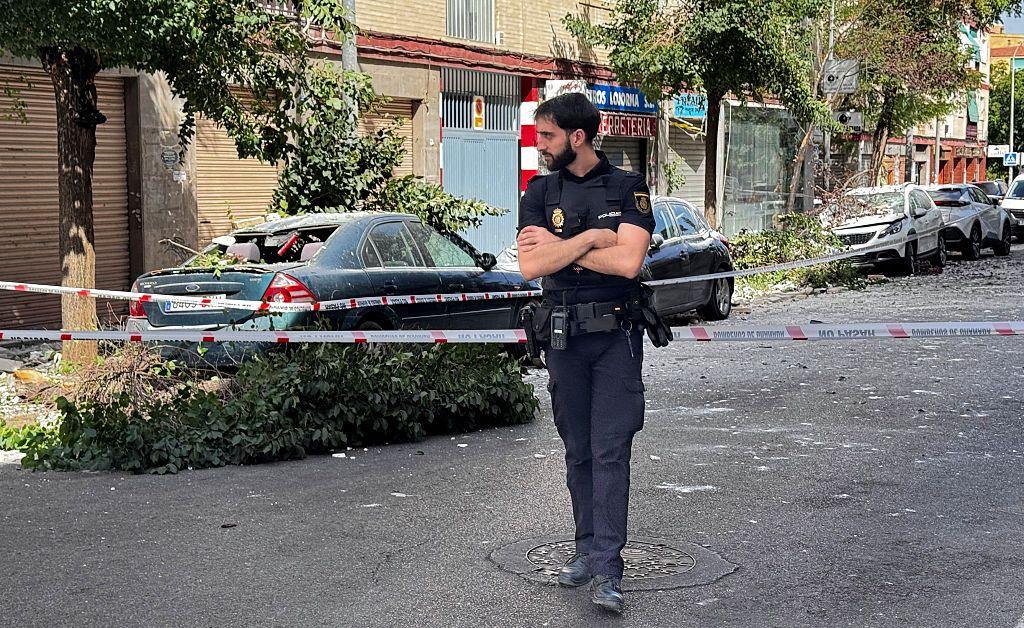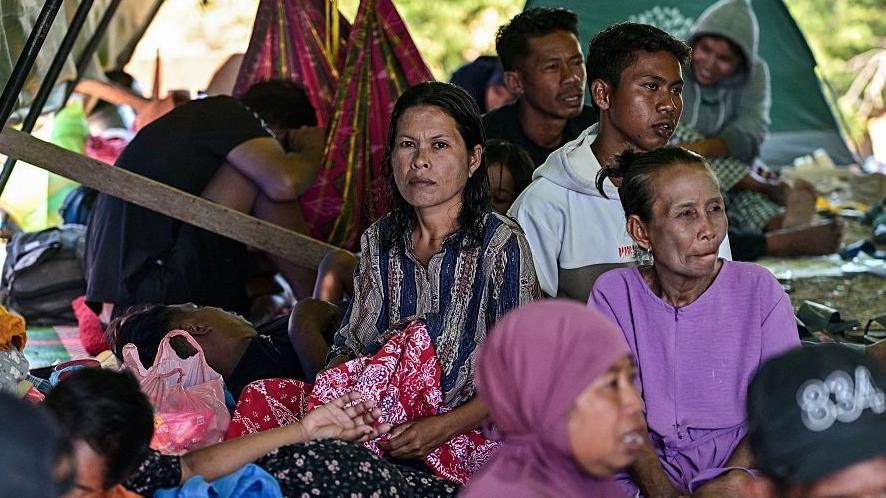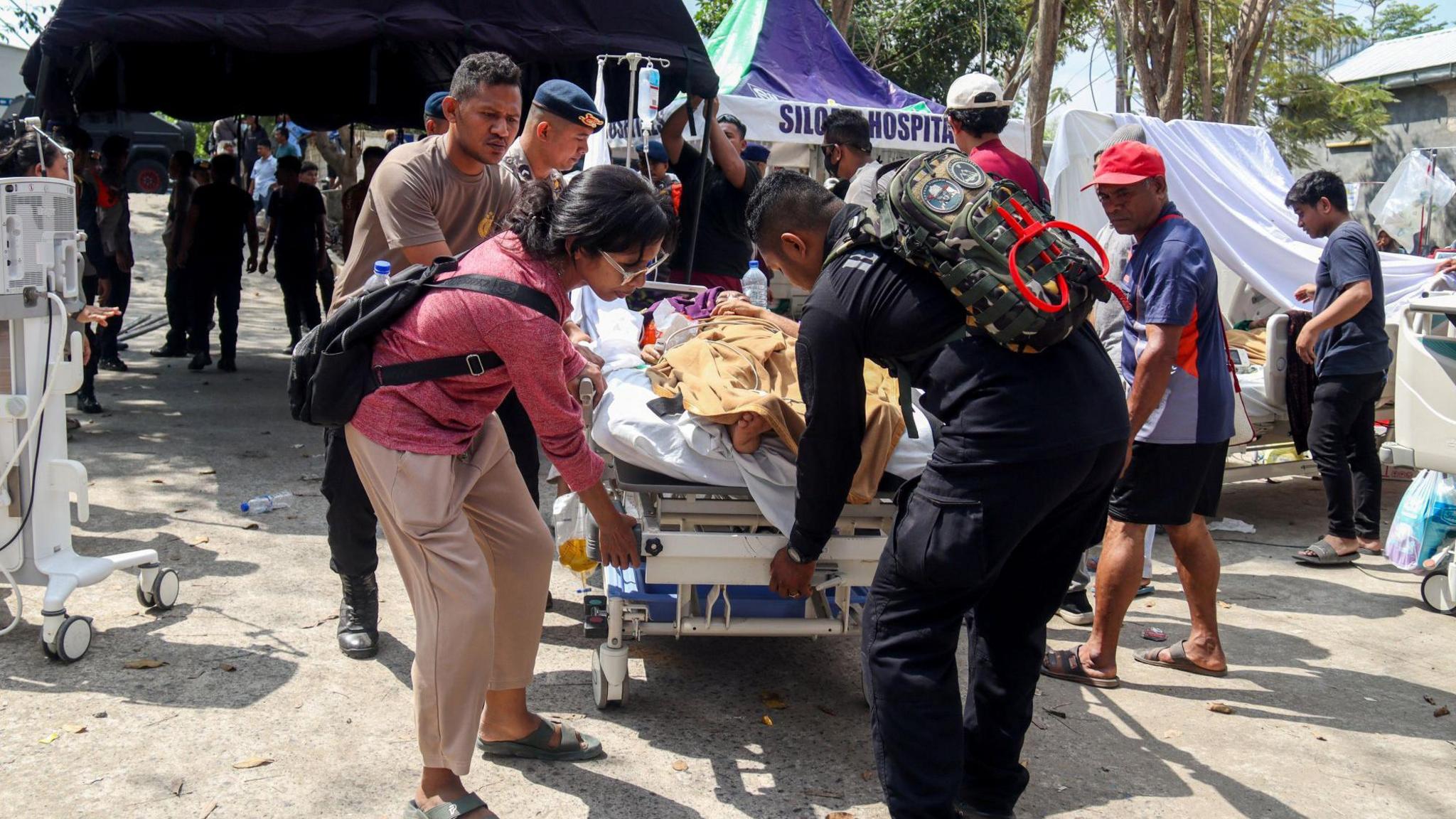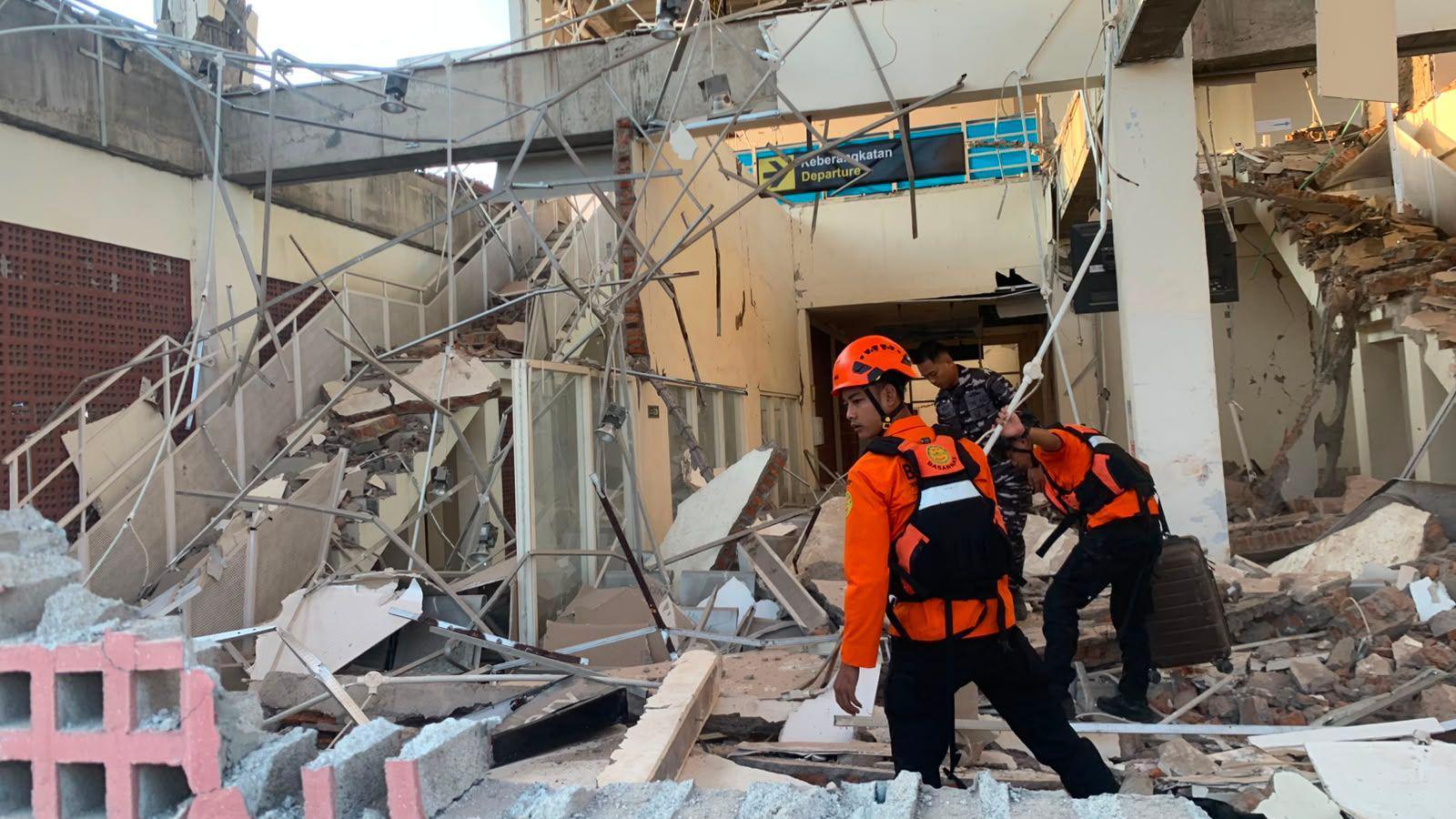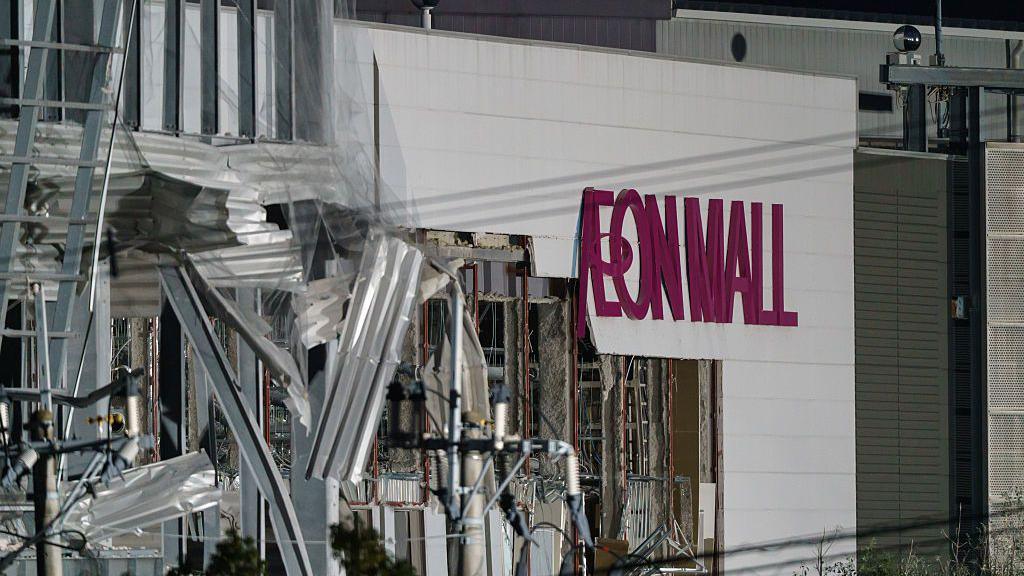
On July 28, a 6.8‑meter earthquake shook the Kumamoto prefecture, rupturing structures, including the Aeon Mall. An hour after most tenants and shoppers had evacuated, an explosion tore through the still‑occupied store, claiming the lives of two employees who were told by their boss to return inside and transfer cash to a safer, calm location.
The tragedy, attributed to an instruction that failed to account for the site’s compromised structural integrity, amplified discussions surrounding rapid risk assessment protocols after seismic events. Employer Habita has publicly expressed regret, calling the directive “inappropriate” and noting it is re‑examining how such orders should be handled in future emergencies.
Experts trace the blast to residual structural weaknesses: the mall’s ventilation shafts and high‑rise roof segments remained weak, creating an environment where displaced gas and debris could ignite. This incident echoes broader revelations about the vulnerability of commercial infrastructure to natural hazards, a key lesson that climate policy circles must take into account as part of “building for resilience” strategies.
In the aftermath, the local authorities and disaster response teams are urging a re‑vision of evacuation protocols, mandating that staff be trained in hazard‑specific response procedures and that contingency plans be in place for inside‑store emergencies. Such measures would reduce the risk of people re‑entering structures that have been declared unsafe, as was the case for the two employees.
From an engineering perspective, this event stresses the significance of rapid structural assessment tools—remote sensing and drone imaging that can ascertain potential danger zones immediately post‑quake. The insights gained could guide the installation of flexible mobile barriers and smart fire‑protected pathways that deter unsafe movement within damaged buildings.
For policymakers, the case illustrates the intersection of urban planning, climate resilience, and public safety. Integrating safety audits into construction codes and strengthening accountability for commercial owners to employ live‑streaming hazard alerts could turn the Aeon Mall tragedy into a catalyst for systemic change.
While the loss of life is profound, the survivor’s relatives and the community at large are advocating for preventative steps. The focus is now on transforming this sorrow into a preventative blueprint—treating every building as a living, responsive entity that acknowledges the dynamic and unpredictable forces of climate change.