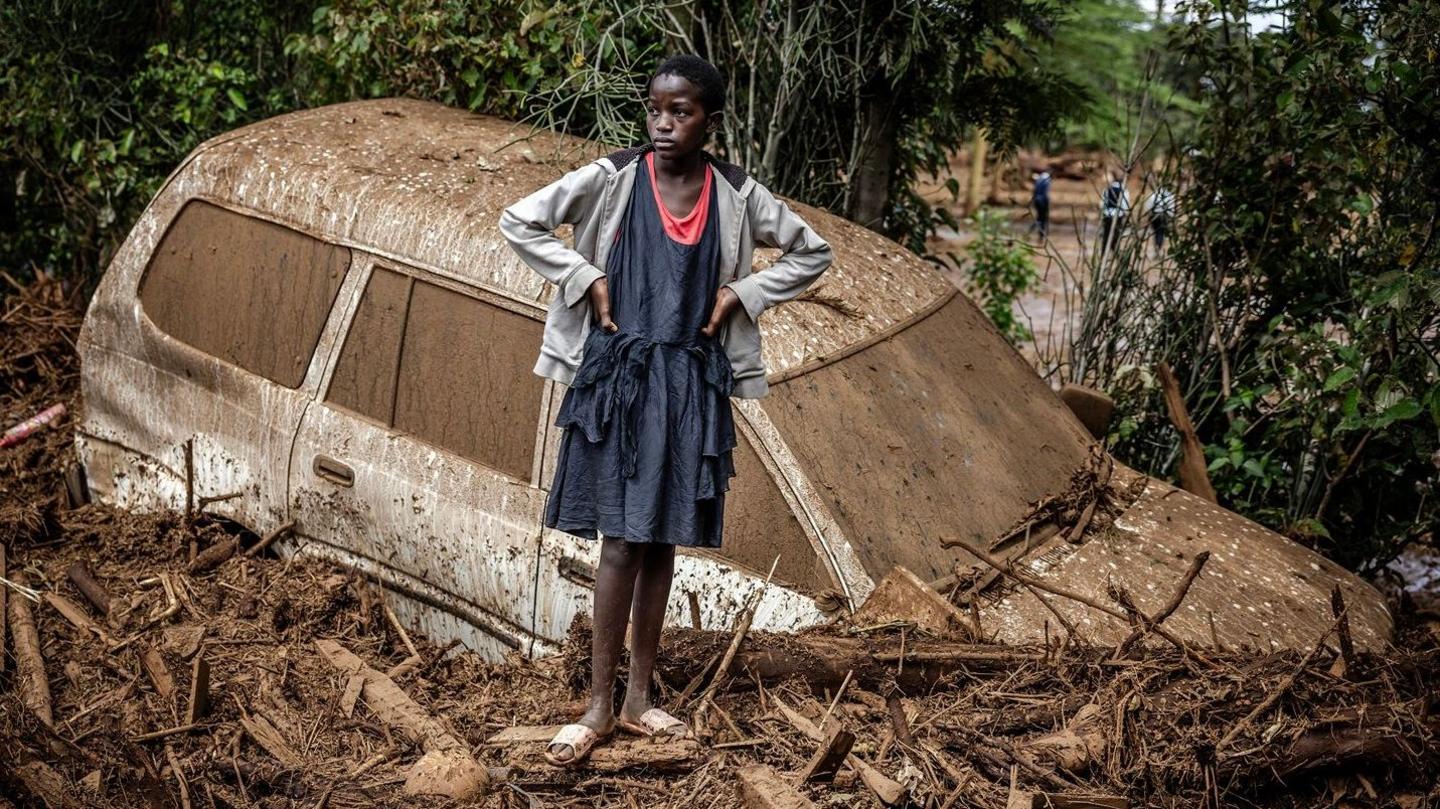
In the early hours of Friday, a 7.7‑magnitude earthquake rumbled beneath Flores island, the easternmost island of Indonesia, killing 53 people and pushing more than 5,000 residents onto the streets. Authorities report that 900 homes collapsed and hundreds of other structures, including schools, health centers and government offices, were severely damaged. The tremor was felt as far west as Bima and the epicenter’s shallow depth—some 15 kilometres below the surface—contributed to the level of destruction.
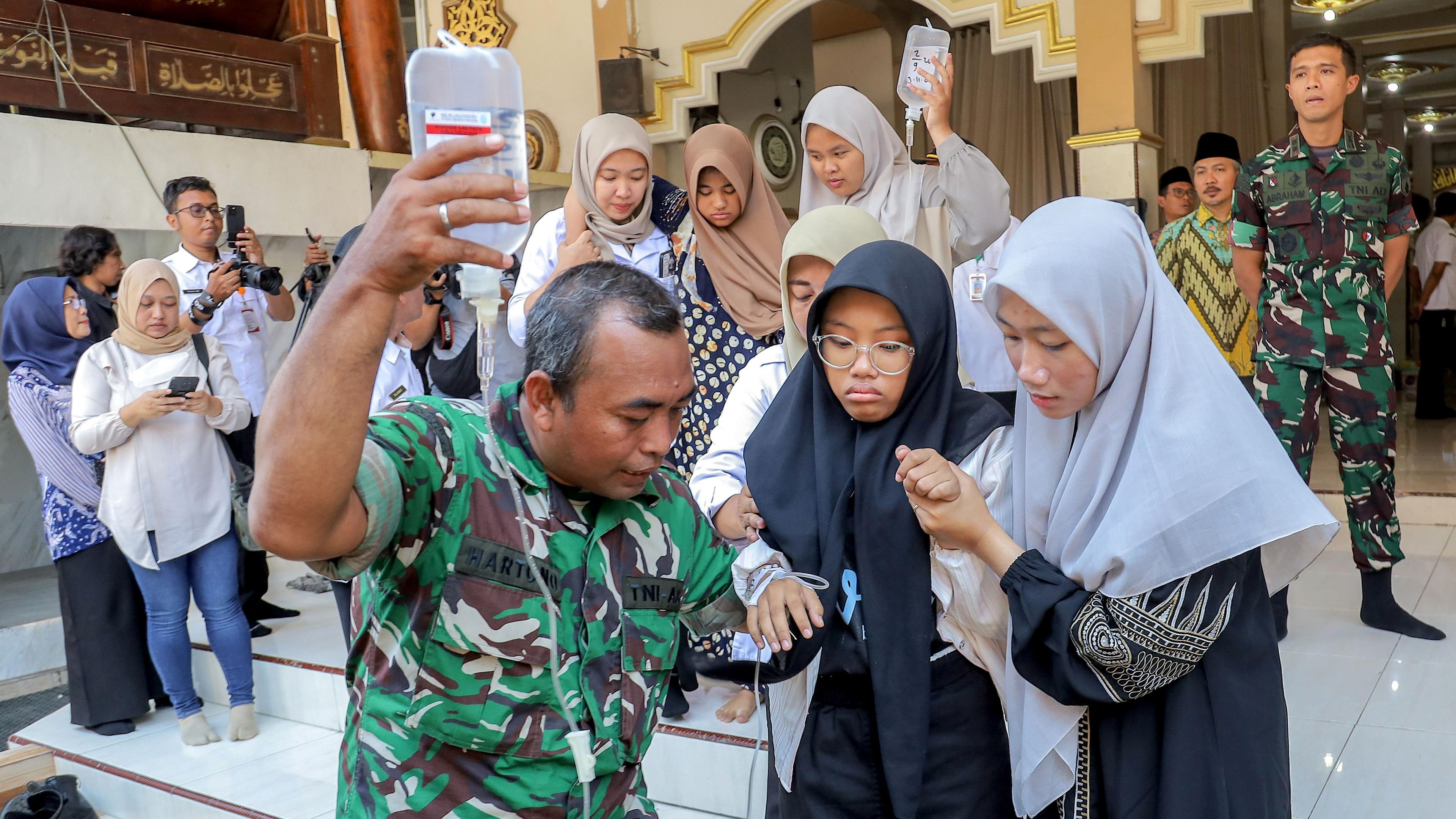
In Manggarai province the government has confirmed 25 deaths and 20 in East Manggarai, with additional fatalities in Sikka, Ende and Nagekeo. Over 3,300 people were evacuated in Sikka alone and 2,078 in Manggarai, illustrating the scale of the crisis. East Nusa Tenggara’s deputy health minister said 36 people suffered serious injuries and 77 minor, while recovery teams sift through rubble for survivors.
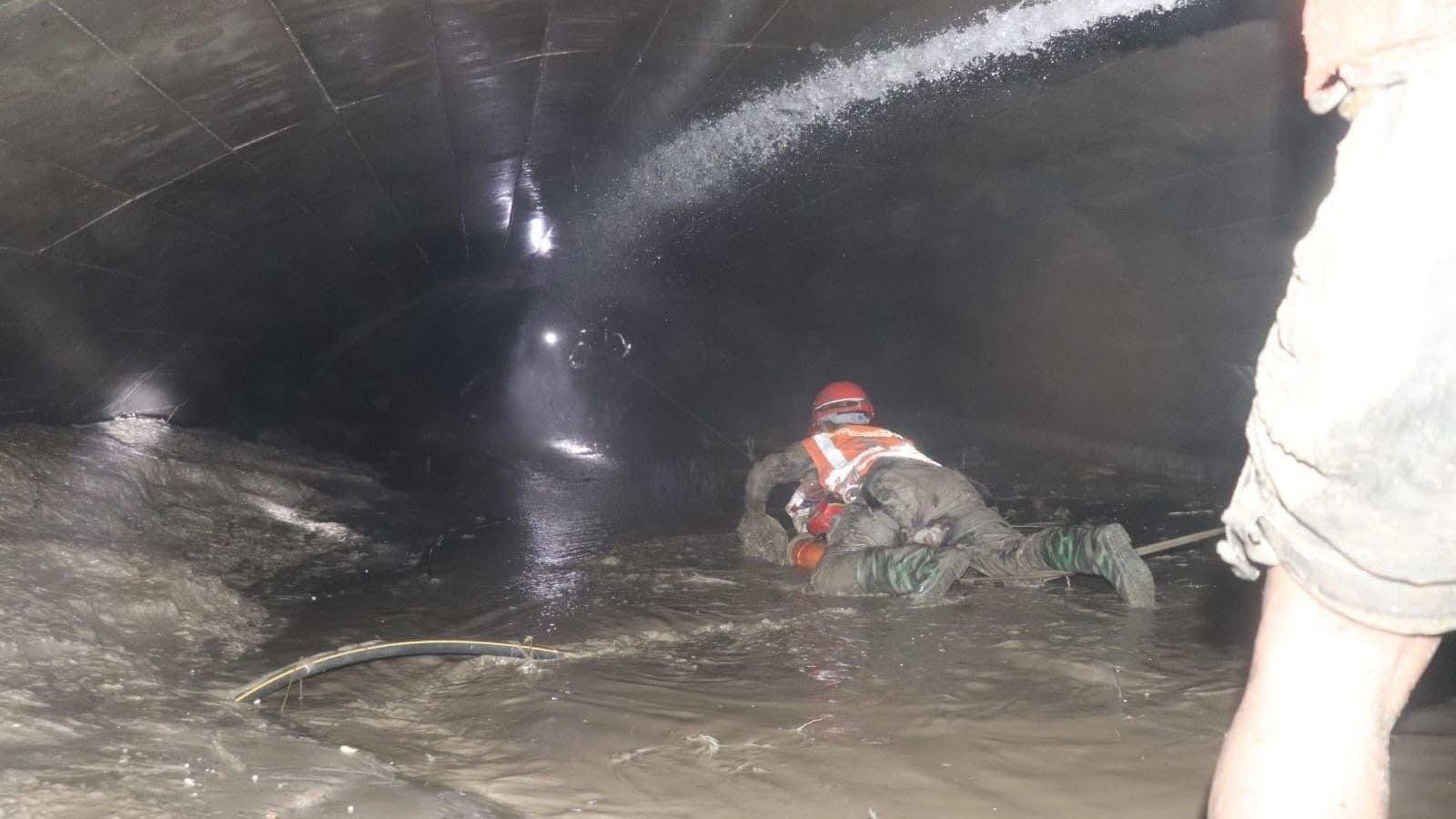
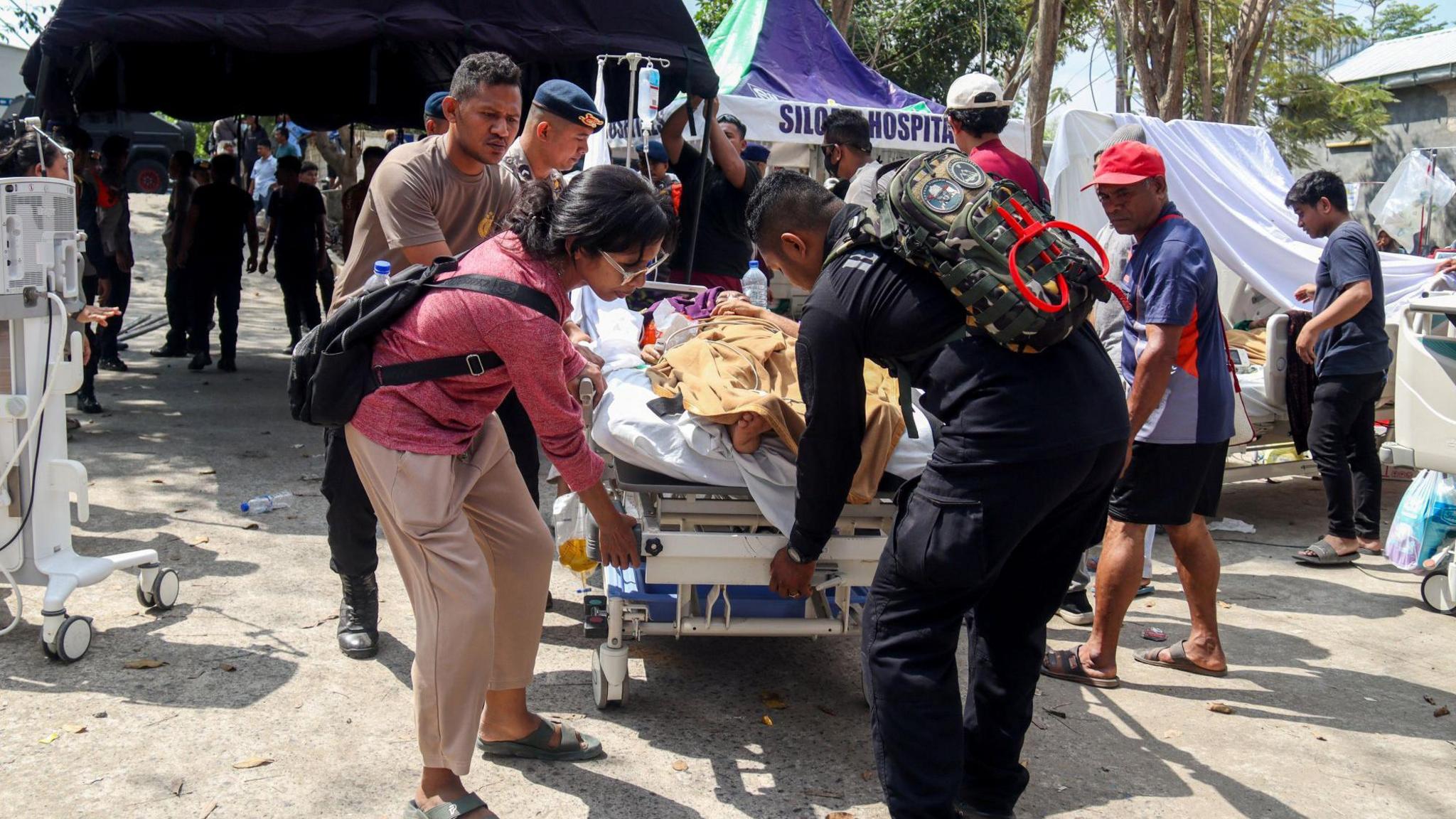
The quake’s aftershocks—341 in total—continue to shake the region. Rescue crews, often traveling through rough, mountainous terrain, have worked tirelessly to free those trapped under collapsed buildings. At Ruteng hospital, a temporary medical tent was erected outside the damaged facility to treat victims who await access to full services. The National Disaster Management Agency (BNPB) says that meeting basic needs and re‑equipping evacuees remains a top priority.
Videos from Maumere port show concrete fragments falling onto the quay and the gangway for a ferry collapsing, sending passengers to the sea. Governor Emmanuel Melkiades Laka Lena explained that many victims died in their sleep under falling rubble, while residents in Sikka’s coastal villages were shaken out of bed and forced to flee inland after a tsunami warning was issued and later lifted.
Despite the lifted tsunami alert, residents were told to stay away from coastal areas with visible damage. The hardest-hit areas lie along three moving tectonic plates, making Indonesia highly vulnerable to such events. The current crisis highlights the necessity for rapid, community‑based resilience and better disaster risk management in both urban and remote regions.