Indonesia Earthquake: Search for Survivors Amid Mountainous Relief Effort
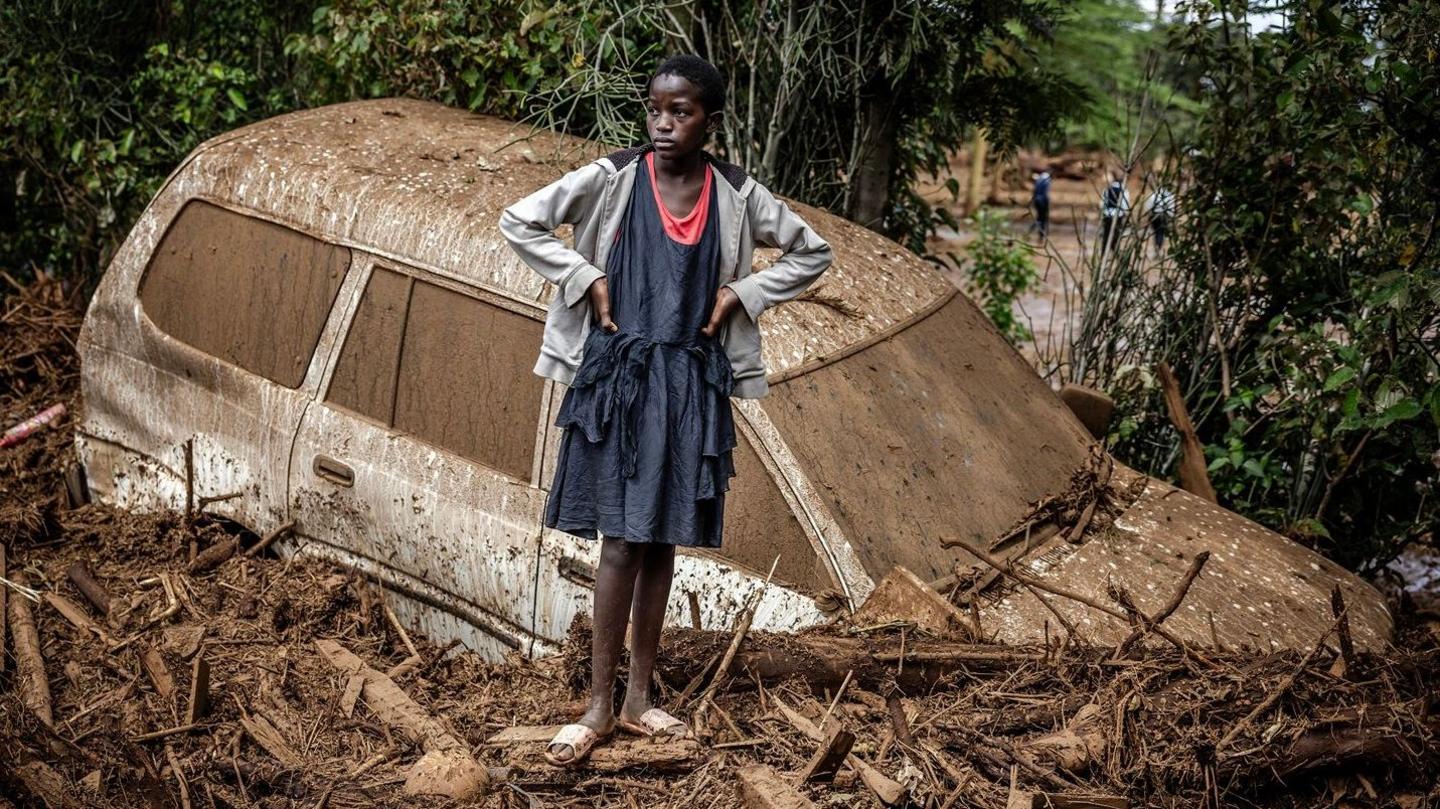
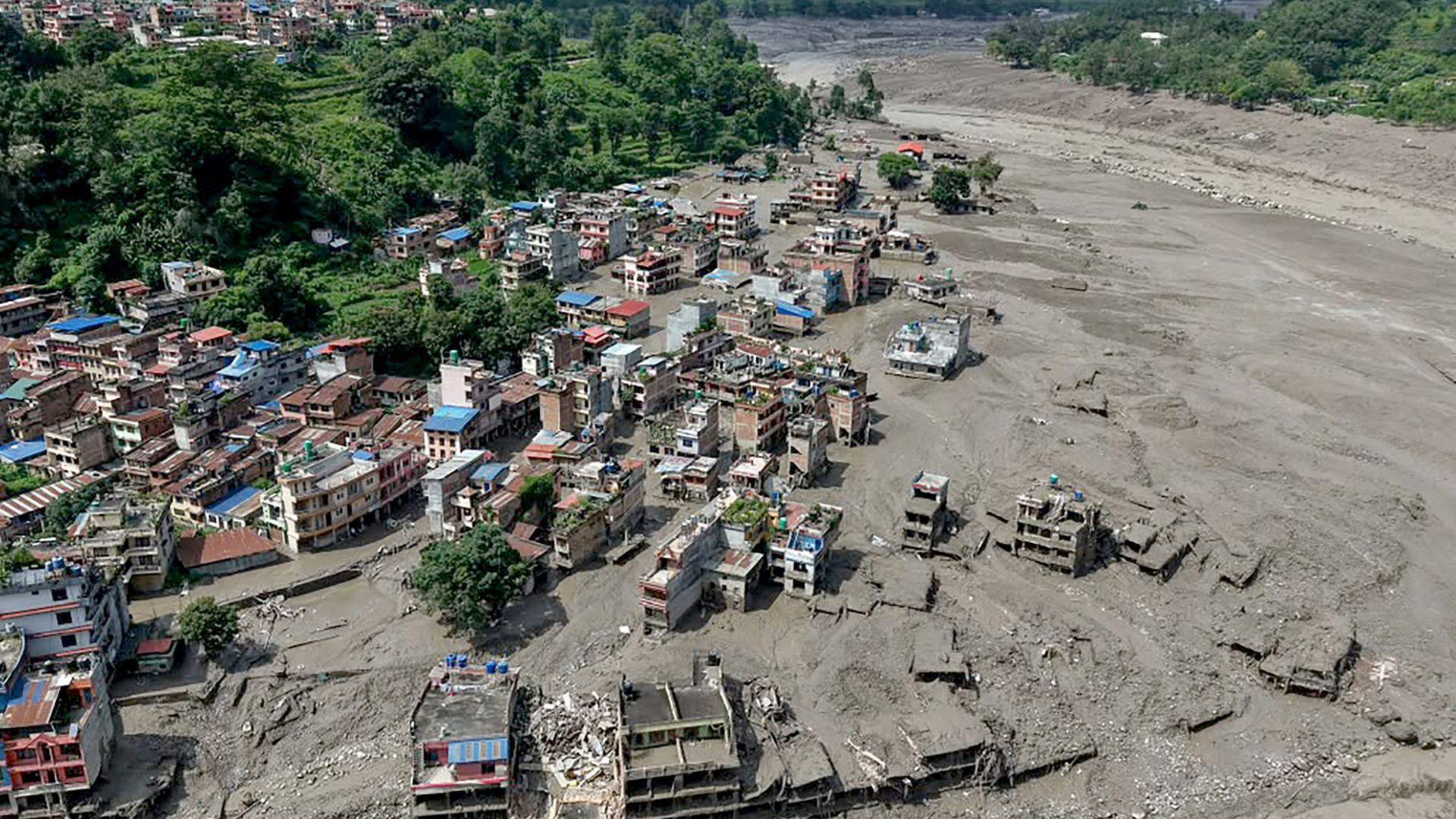
On the morning of 15 August, a 7.7‑magnitude quake struck Flores Island in Indonesia just before 05:00 local time (22:00 GMT Friday). With a shallow depth of 15 km, the tremor triggered dozens of aftershocks, causing extensive damage to homes, schools, churches and hospitals across the region.
Preliminary reports confirm 47 fatalities, with 24 deaths already recorded in Manggarai province, 17 in East Manggarai, 3 in Sikka, and at least one in each of the Ngada, Ende and West Manggarai provinces. While 2 people were seriously injured and 11 lightly wounded, the crisis remains dynamic as rescue teams sift through rubble in remote, mountainous villages.
Early on, a tsunami warning prompted roughly 2,000 residents—including the village of Maumere—to evacuate inland. The warning was lifted after three hours when no significant sea‑level rise was detected, although landslides created additional hazards, cutting off routes to some communities.
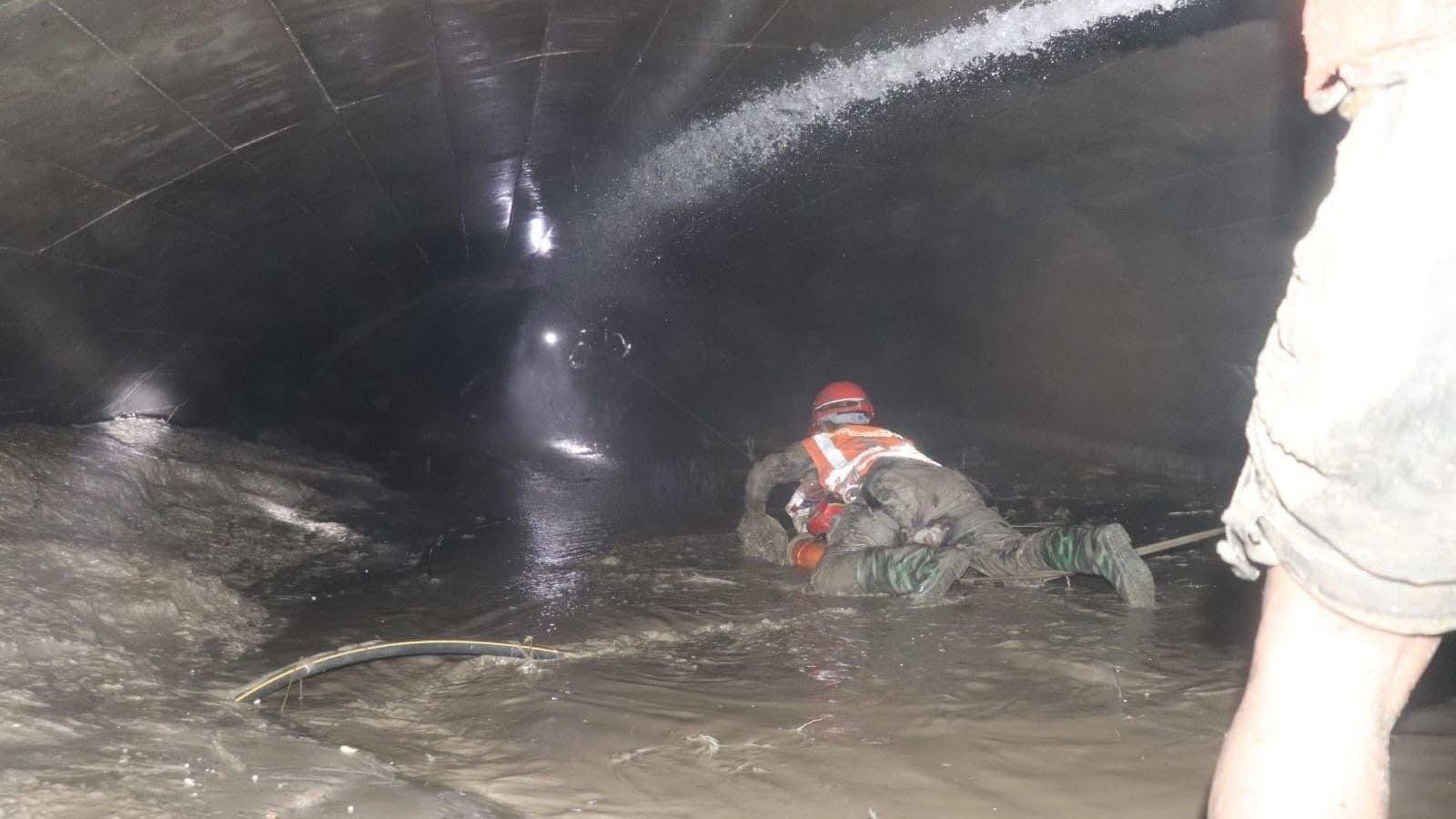
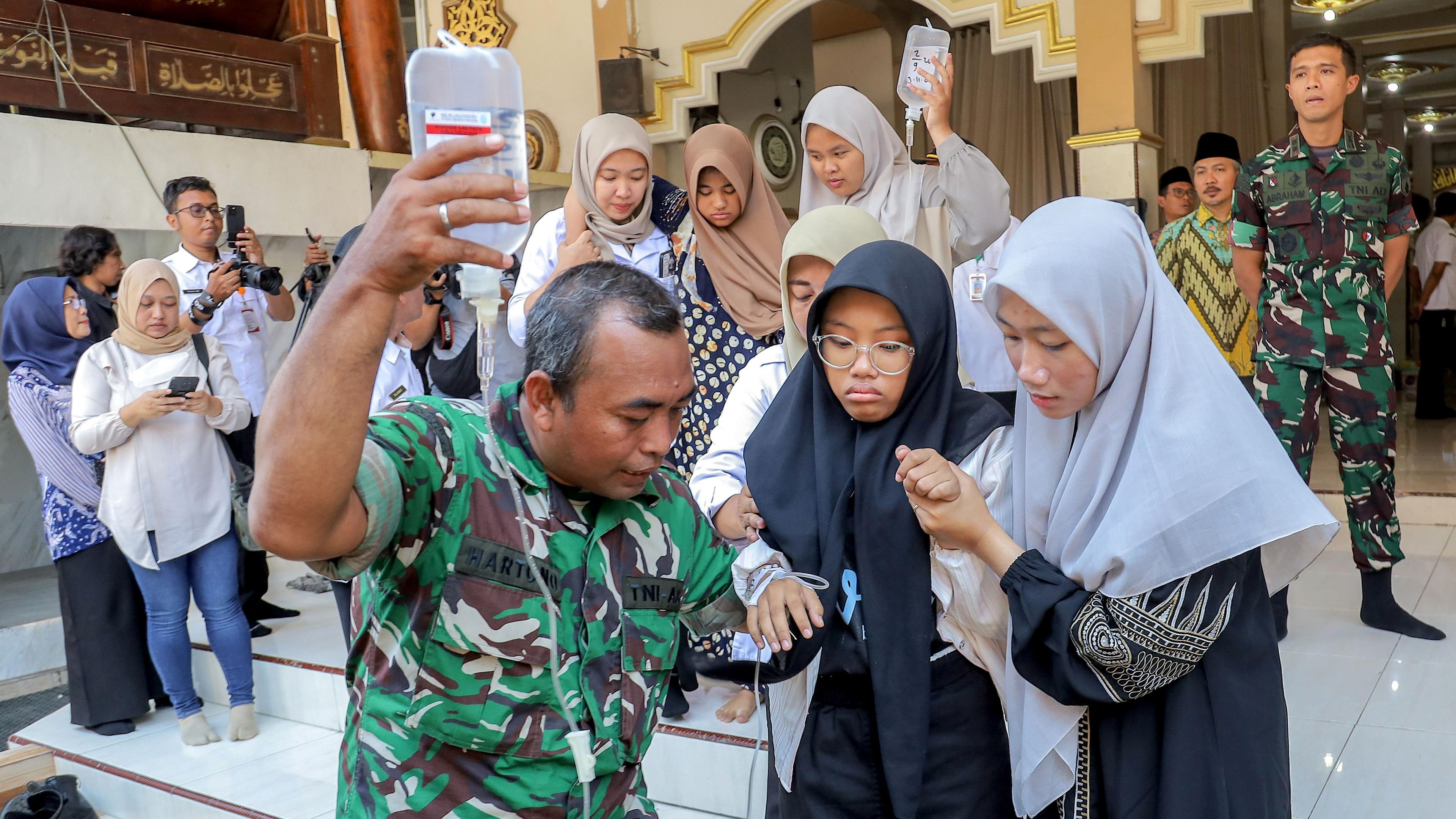
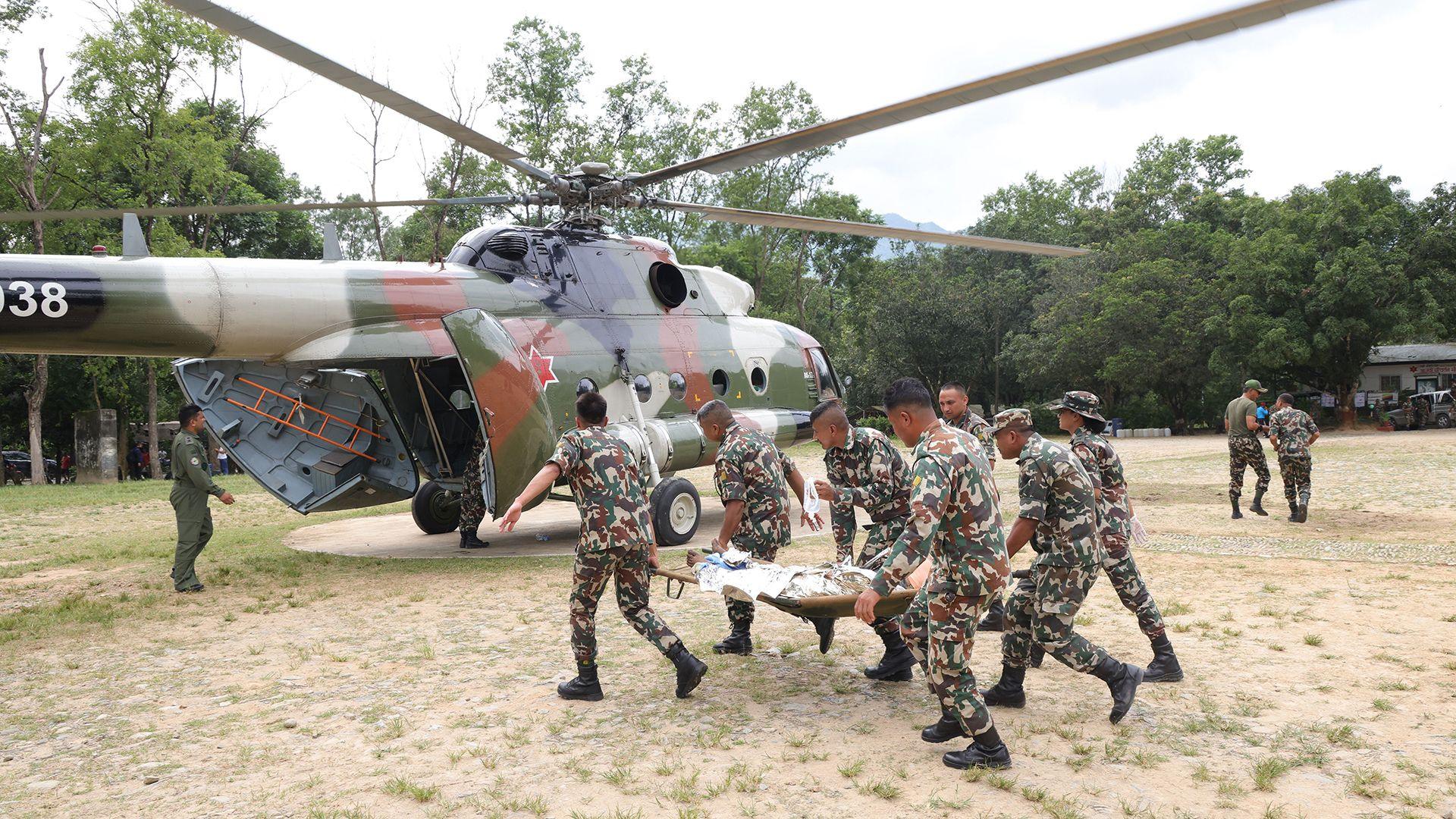
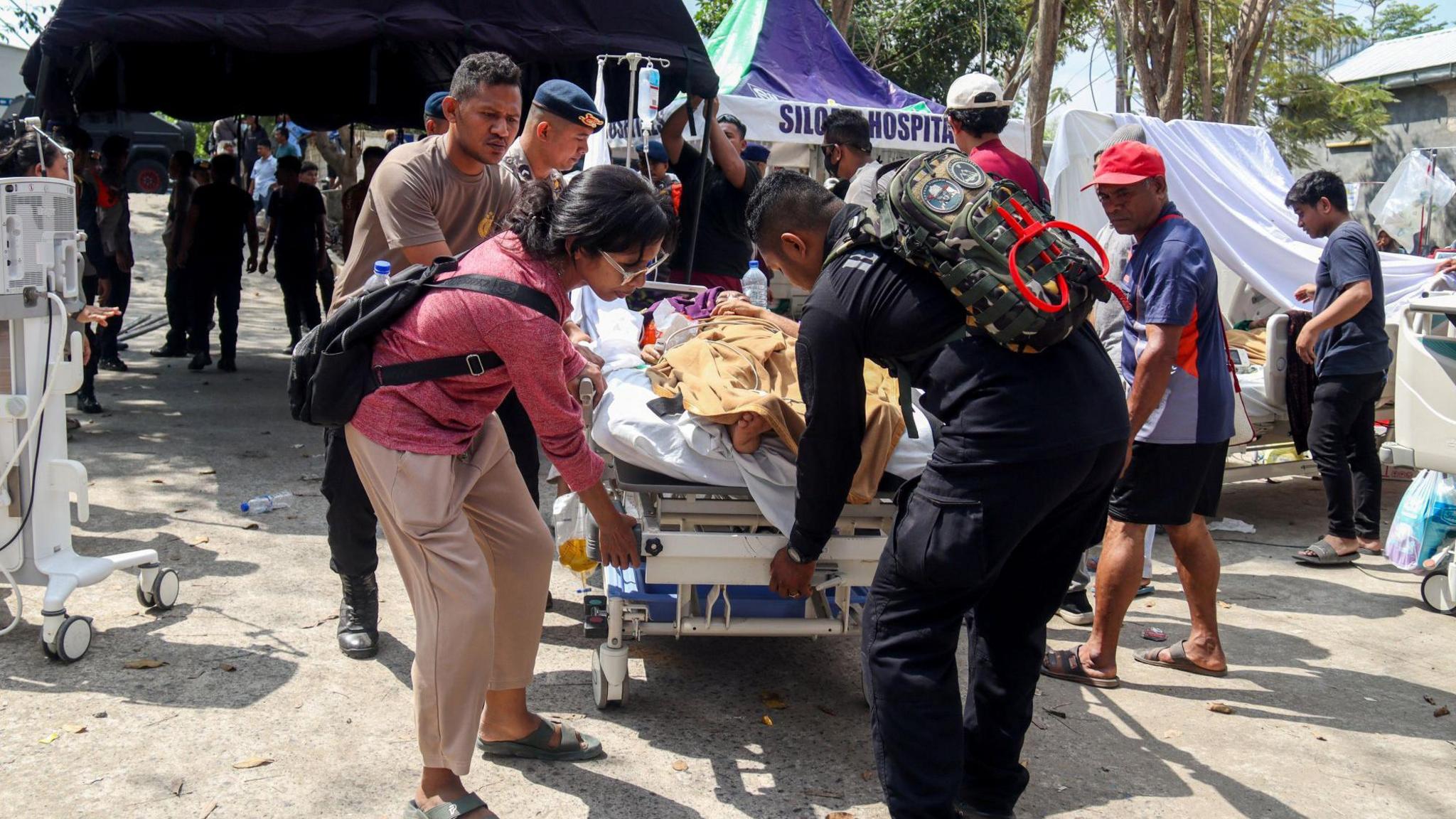
Rescue personnel, many of whom have volunteered through local NGOs and citizen‑science networks, are working around the clock to free trapped victims under collapsed concrete and to evacuate those still stranded in villages. A temporary medical tent has been set up outside Ruteng Hospital to treat injured survivors, an example of rapid, low‑carbon emergency infrastructure.
The National Disaster Management Agency (BNPB) has dispatched 10,500 aid packages to the affected areas as the full extent of the destruction is still being assessed. The island’s geography—rugged, volcanic and highly seismic—means that rebuilding efforts must rely on community resilience and sustainable practices.
Experts stress the importance of integrating climate‑smart building designs—such as seismic‑resistant foundations and locally sourced, low‑carbon materials—to reduce future risks. Citizen scientists are already compiling real‑time damage maps using satellite imagery and drone footage, providing valuable data for planners and humanitarian groups.
For those wishing to help, local community organisations are urging donations of sturdy, climate‑resilient building materials and volunteer teams to aid in the reconstruction of schools and health clinics. The wider international community is encouraged to support efforts that prioritize both human safety and the environment, ensuring recovery that is both swift and sustainable.