In brief
The White House released a report that names Canada, India, Mexico, Japan and South Korea among the 40+ countries used by China to sidestep Trump‑era tariffs. It claims the practice, known as trans‑shipment, moved goods worth up to $300bn through lower‑tariff nations, harming American jobs and revenue. Chinese officials denounced the claims, warning that unilateral actions cannot target third parties. The report comes amid a broader trade war backdrop and ahead of a US‑China summit, raising questions about the integrity of global supply chains and the use of AI to detect tariff evasion.
The White House has publicly accused China of exploiting a network of 40+ countries to evade U.S. tariffs that were imposed on Chinese goods during the Trump administration. The report says that Canada, India, Mexico, Japan and South Korea were among the nations that aided in routing large shipments, potentially costing the United States billions in lost revenue and jobs.
White House trade advisor Peter Navarro called the practice a "fraud cloaked in paperwork," noting that shipments were repackaged to conceal their origin and benefit from reduced import duties in the intermediary countries. The total amount of goods moved ranged from $30bn to $300bn in government and private sector estimates.
A spokesperson for the Chinese embassy in Washington dismissed the allegations, arguing that trade wars create no clear winners and that the U.S. measures unfairly target Chinese firms. The embassy further warned that unilateral actions or agreements concerning trans‑shipped goods should not harm the interests of third parties.
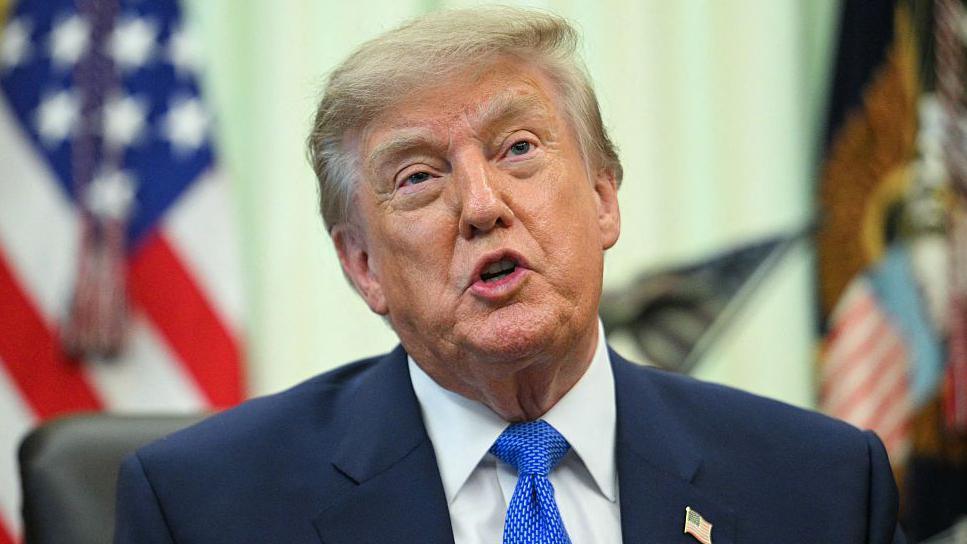
The report arrives just weeks before President Donald Trump is scheduled to meet Chinese leader Xi Jinping in Washington, adding new leverage to an already tense trade dispute. Experts say the revelations could push the U.S. to demand that any future trade settlement include provisions for dealing with third‑country routing and trans‑shipment practices.
In response to the escalating trade friction, the U.S. has begun employing artificial intelligence tools to track and flag suspicious shipments, aiming to curb the shadow network that underpins the tariff‑evasion scheme. The move is part of a broader pattern of sanctions and regulatory measures that have alternated between the U.S. and China for years.