In the early hours of Saturday, a 7.7‑magnitude earthquake struck the island of Flores, killing at least five people who were trapped under collapsing rubble. The provincial governor reported the deaths to a press conference and confirmed the depth of the quake was 15 km.
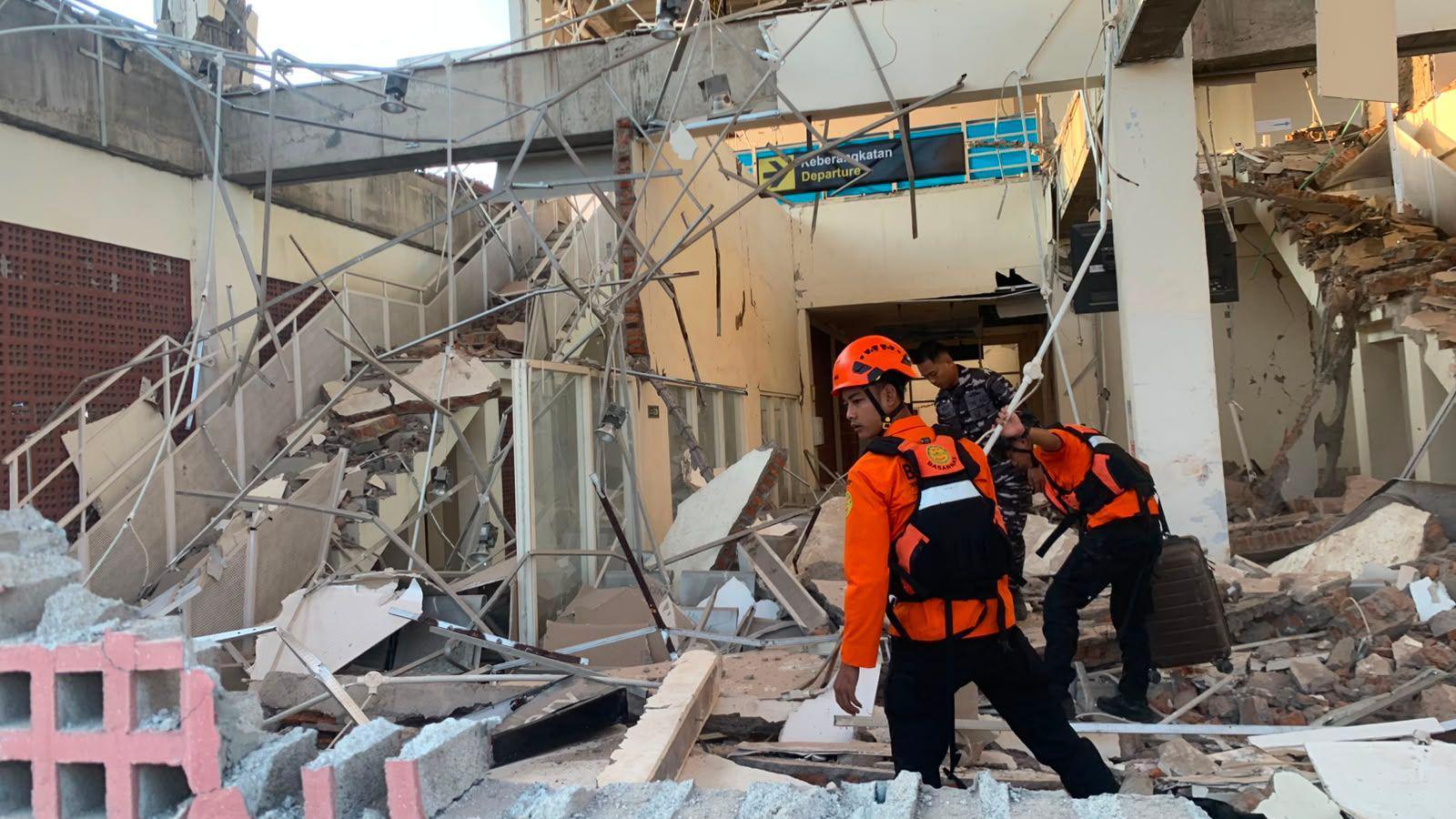
Search‑and‑rescue teams are working to free anyone trapped in damaged buildings while dozens of aftershocks ripple through the region. A 6.1‑magnitude aftershock was felt later that day, further shaking already compromised structures. Authorities issued a tsunami warning early in the morning but lifted it after about three hours, as the ocean returned to normal levels.
Videos from the Lorens Say Port in Maumere show concrete chunks tumbling from an abandoned terminal onto passengers waiting for an inter‑island ferry. In a similar scene, a gangway collapsed onto the sea, sending debris off into the waves. The image of distressed travelers fleeing inland on motorbikes is a stark reminder of the panic that follows a sudden quake.
Evacuations have already taken place in key towns: around 2,000 residents in Nagekeo were moved to safer areas, and many homes along the coast were evacuated as the sea receded. The national disaster mitigation agency, BNPB, advises people to remain calm, avoid damaged buildings, and stay away from exposed coastal zones while authorities assess the extent of the damage.
Sample voices from the community highlight the immediate shock: “I was startled awake and ran to my child’s room,” says Arnold Welianto of Talibura village. “When we stepped outside, we saw neighbors hurrying to the hills, but some kept standing along the roadside because the sea had receded.” These personal accounts illustrate the widespread uncertainty that pervades the region following the quake and its aftershocks.
Emergency workers look through the rubble at Lauren Say port in Maumere