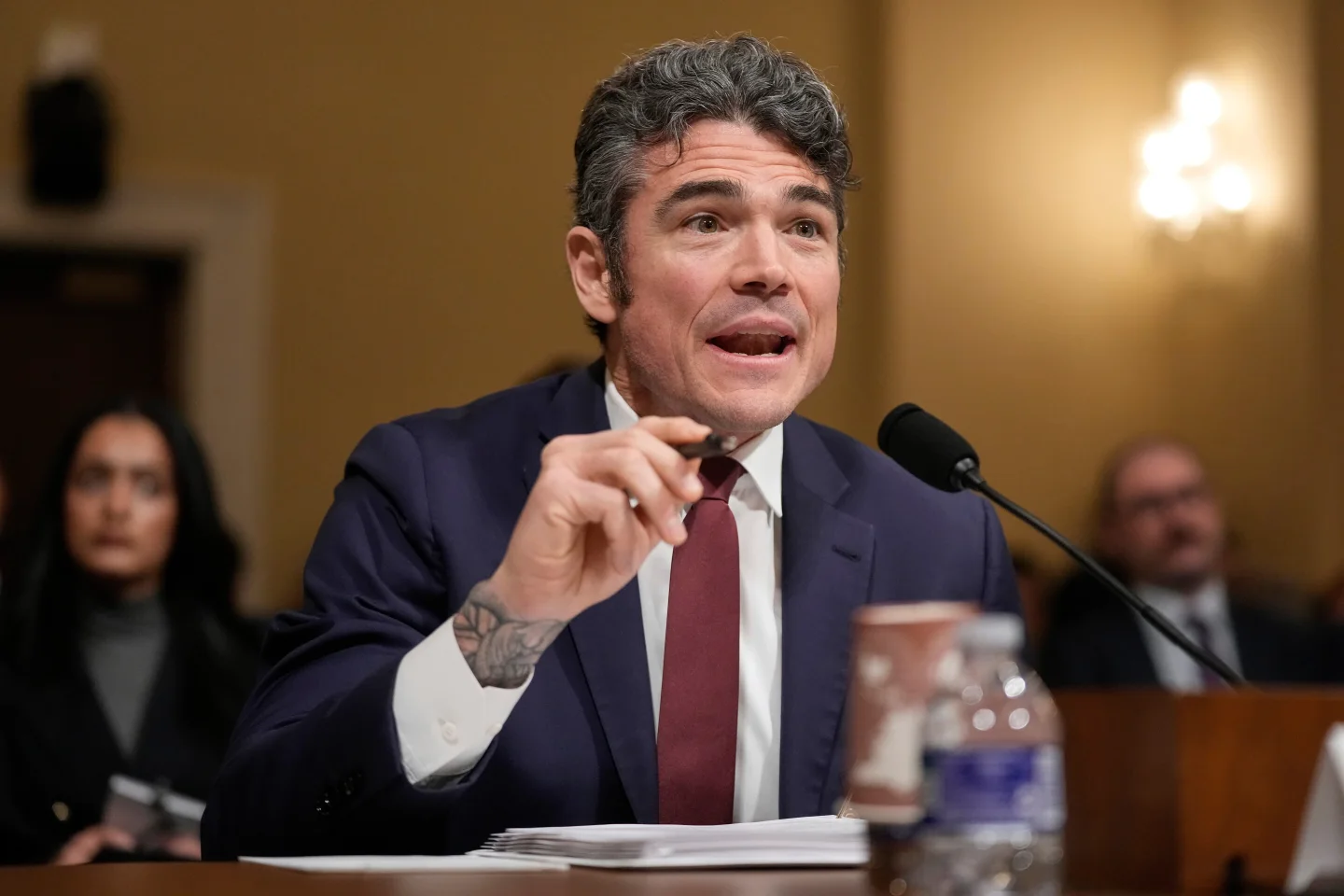
Joe Kent's recent resignation from his position in the Trump administration has reignited concerns about rising antisemitism within right-wing media. During an appearance on Tucker Carlson's podcast, Kent made inflammatory claims that Israeli officials are driving U.S. military action against Iran, linking these assertions to longstanding antisemitic conspiracy theories.
The Israelis drove the decision to take this action, stated Kent, as he shifted the narrative towards unfounded speculations regarding Israel's role in domestic political affairs.
The discourse surrounding Kent's resignation letter, which included accusations against high-ranking Israeli officials and the American media, emphasized a noticeable fracture within the Republican Party. This fracture is increasingly evident as members grapple with questions about Israeli influence in U.S. policies—a discussion that some critics argue is beginning to mirror anti-Jewish sentiments from historical contexts.
Tucker Carlson, a pivotal figure in fostering these controversies, has faced significant backlash for hosting individuals who perpetuate hateful rhetoric. Notably, he has been criticized for previously lending a platform to figures like Nick Fuentes, who openly espouse antisemitic views.
In response to Kent's appearance, Matt Brooks, president of the Republican Jewish Coalition, called this trend an escalating issue, as he noted ties between right-wing rhetoric and antisemitism, indicating the need for a unified stance against such ideologies within conservative circles.
As the fallout from Kent's remarks continues to evolve, it's clear that the alignment traditionally seen between the Republican Party and unwavering support for Israel is now under scrutiny, creating divisions that could have significant implications for U.S. foreign policy and the narrative surrounding Israel and antisemitism.
With ongoing tensions in the region and the rise of conspiracy theories, the intersection of antisemitism and conservative rhetoric remains a topic demanding urgent attention and reflection within American politics.