Israel’s Renewed Lebanon Strikes Raise Environmental Security Concerns
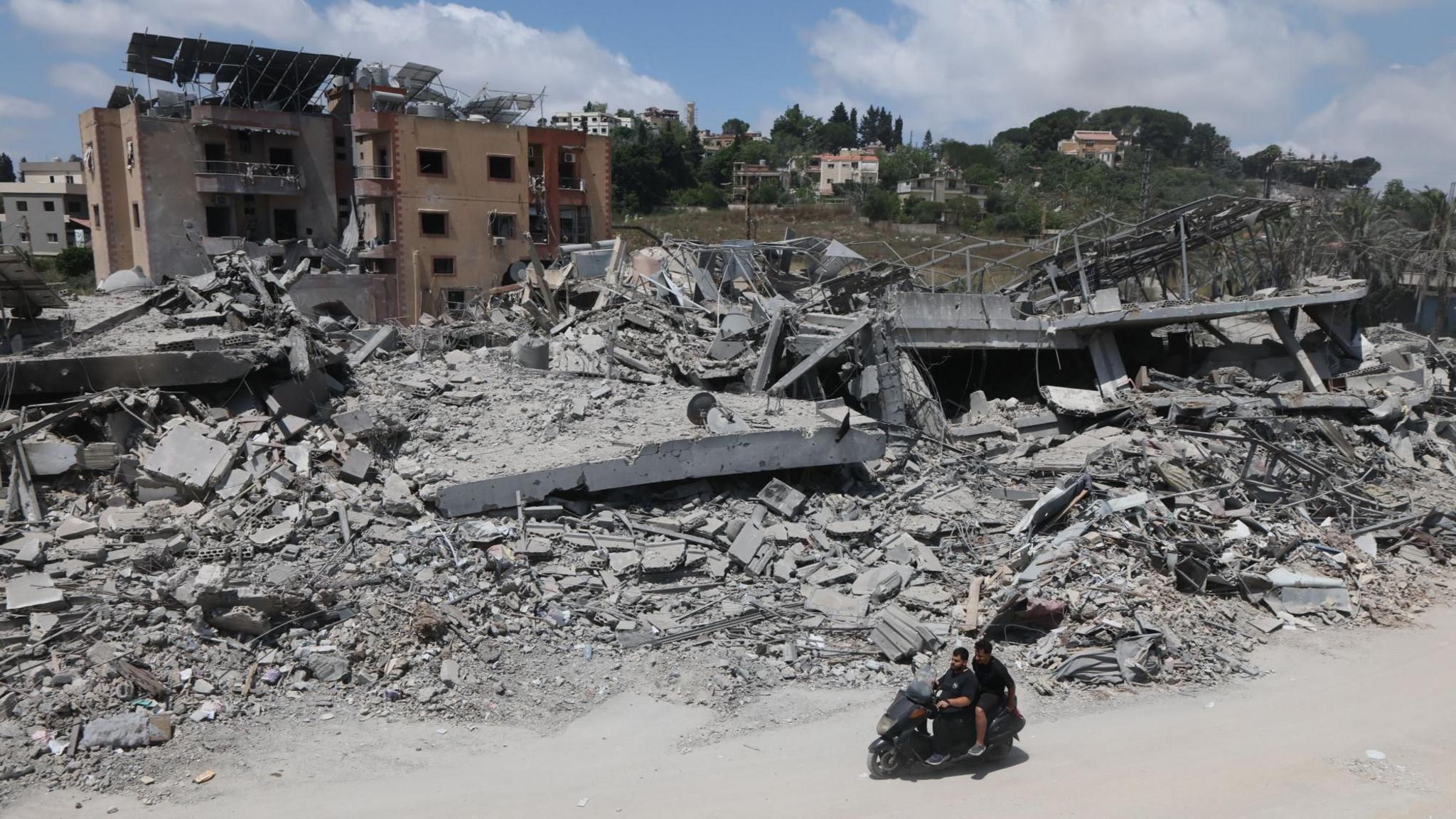
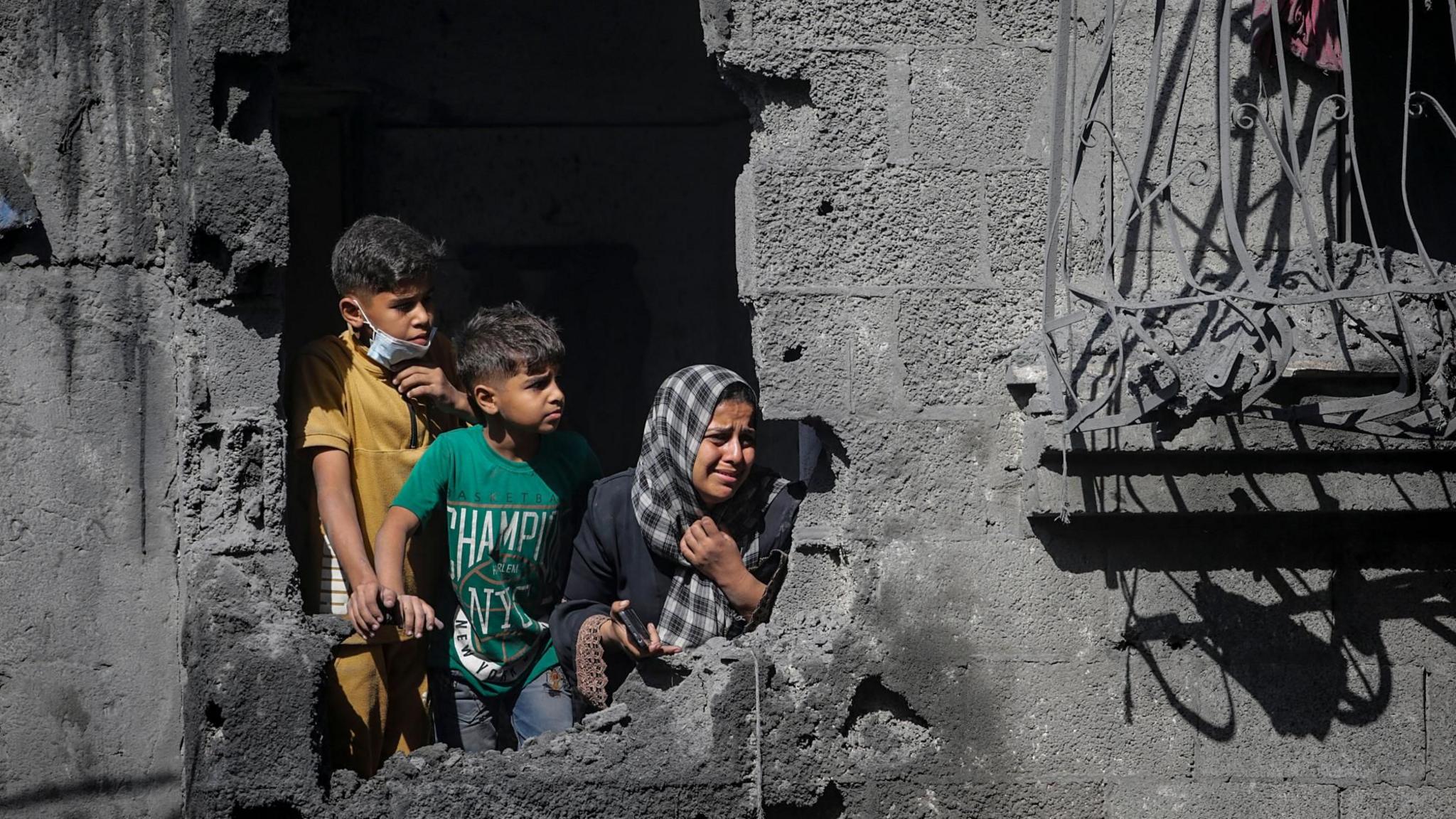
Israeli forces reportedly carried out new strikes in southern Lebanon on Wednesday, hitting the Nabatieh al‑Fawqa area and the outskirts of Kfar Tebnit, according to the state‑run National News Agency (NNA). These operations follow intensified cross‑border rocket activity by Hezbollah and a broader geopolitical clash involving the United States and Iran.
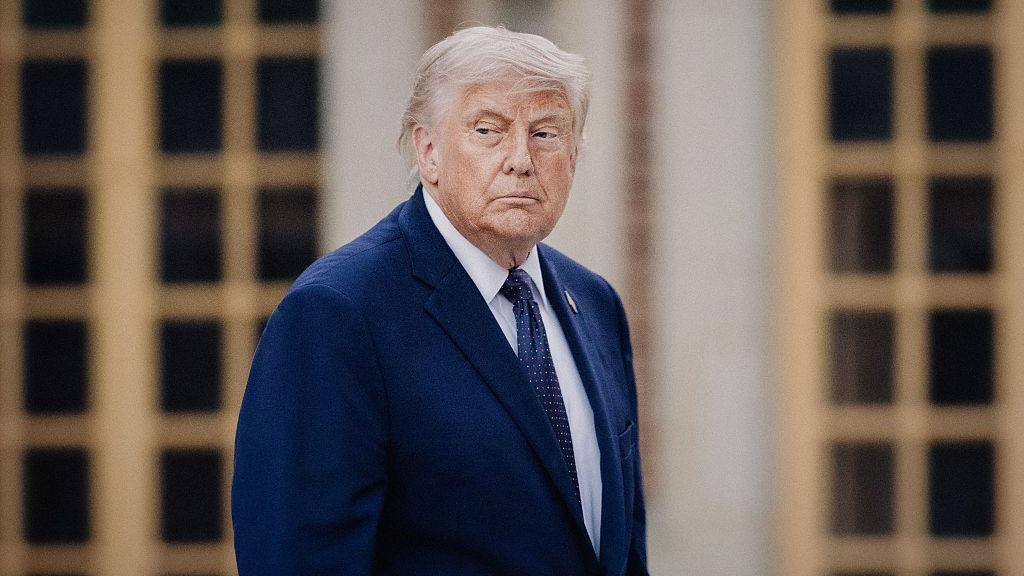
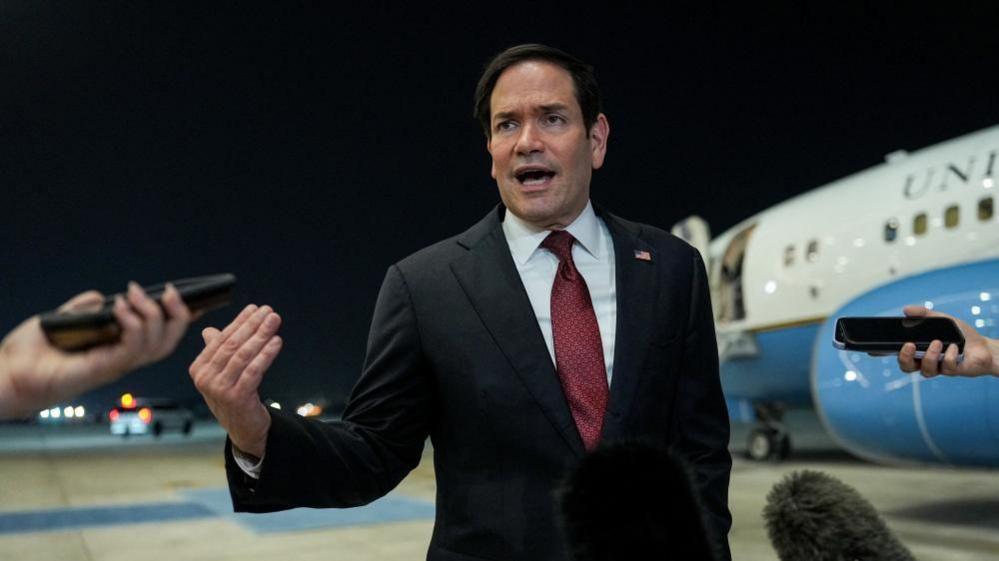
The Israeli military has not yet issued a public statement but has indicated that the target is the Iran‑backed militia. The strikes come at a time when President Donald Trump has publicly criticized Netanyahu, urging “more responsibility” over Lebanon operations and labeling the ongoing conflict as “too long” in terms of casualties.
Beyond political fallout, the conflict threatens environmental assets. The Lebanese coastline, a vital habitat for migratory species, is already stressed by industrial spills and unregulated development. Air‑strike debris can introduce toxins into terrestrial and marine ecosystems, while disrupted water infrastructure may impede the delivery of clean drinking water to communities at risk of displacement.
Moreover, escalation in the region could destabilise oil corridors and access to the strategic Strait of Hormuz. Changes in maritime traffic or damage to port facilities might have cascading implications for global fuel markets, potentially curbing the energy transition away from fossil fuels.
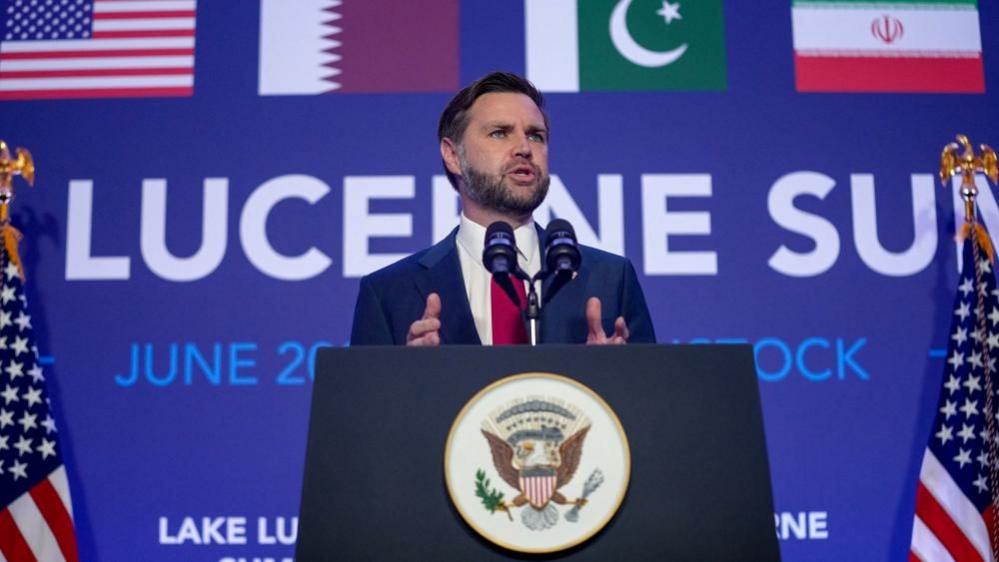
At the diplomatic front, the U.S.–Iran agreement—recently announced and still not officially released—carries Lebanon as a key element. Iran’s Foreign Minister, Abbas Araghchi, warned that any Israeli presence on Lebanese territory would violate the interim accord, a stance that could compound regional instability.
The world’s attention is drawn to how military dynamics intersect with climate resilience. As President Trump declared his intention to publicly read the U.S.–Iran agreement, the global community watches Tunisia’s political shifts, the Middle Eastern oil balance, and how sudden geopolitical upheavals could derail sustained environmental progress.
The conflict is a stark reminder that long‑term climate solutions cannot ignore current political hostilities. Protecting shared resources and maintaining regional stability are essential steps toward a more sustainable future. Watch how international dialogue, emergency environmental monitoring, and community resilience strategies will evolve as the situation unfolds.