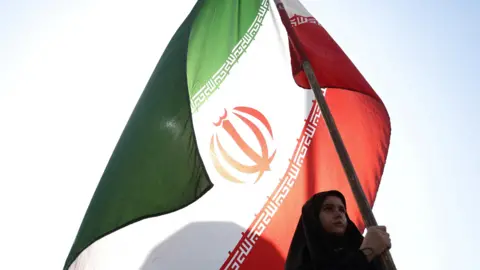
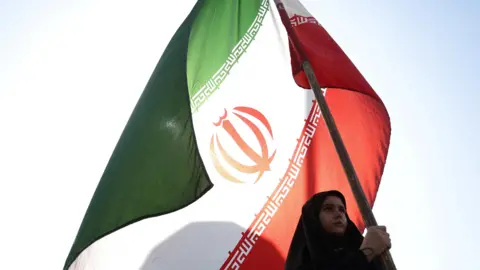
Iranian officials celebrate the memorandum of understanding (MoU) reached with Washington as a sporting victory, pledging the accord was produced through resistance and marked a “long step towards final victory.” The narrative frames the compromise as a strategic triumph against adversaries who failed to defeat the Islamic Republic through military means.
However, the same deal is seen by many Iranians as a necessity, driven by a severe economic crisis, pervasive sanctions, and the lasting fallout from the 2023 war. Citizens and opposition figures argue that the accord merely allows Tehran to mitigate hardship rather than secure lasting independence.
Senior speaker Mohammad Bagher Qalibaf—a key figure in the talks—asserts the deal’s transformative potential for “a different world” in Iran and its neighbours. President Masoud Pezeshkian echoes this hope, noting that full implementation could solve many domestic challenges.
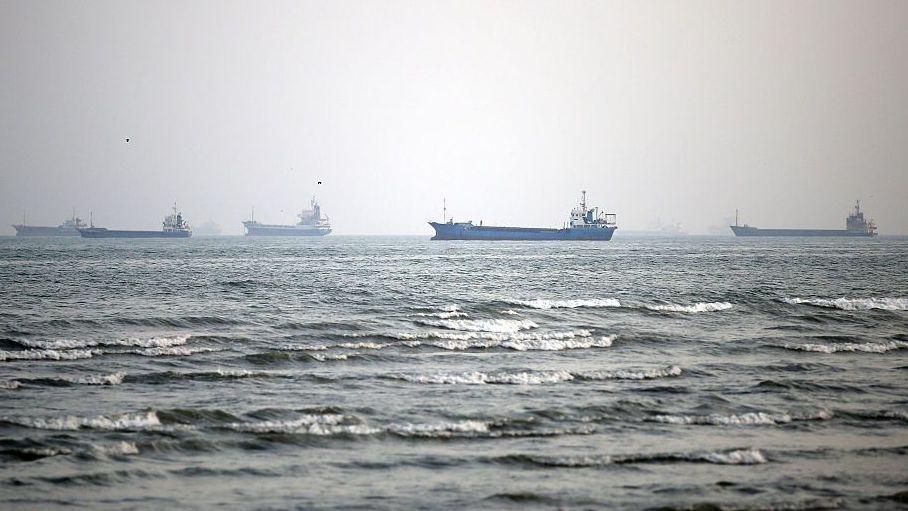
A divide remains: hard‑line parliamentarians and security advisers condemn the draft as turning Iran into an American colony and criticize the failure to address the Strait of Hormuz. Their objections underscore the tension between the government’s tight‑rope diplomacy and the hard‑line rhetoric that continues to echo through state‑aligned media.
Behind the curtain, economic pressure appears decisive. Sanctions, restricted oil market access, high inflation, and the cost of weaponry have tightened Iran’s budget, making sanctions relief a pragmatic, if not urgent, objective. Vice‑President J.D. Vance highlights that while the Iranians may not receive direct taxpayer aid, the potential unlocking of billions of dollars in trade and investment offers an alternative path toward reconstructive development.
The deal’s critical issues—enrichment limits, verification, potential sanctions easing, the status of the Strait of Hormuz and the involvement of Hezbollah—remain open for negotiation. Israel’s hardline stance on Lebanon adds an external variable, threatening to destabilize the fragile equilibrium. For the Iranian public, however, the ultimate benchmark will be whether the agreement halts further conflict, eases costs and restores stability rather than the political rhetoric surrounding its signing.