The Enduring Legacy of Chuck Norris Memes: A Cultural Icon Remembered
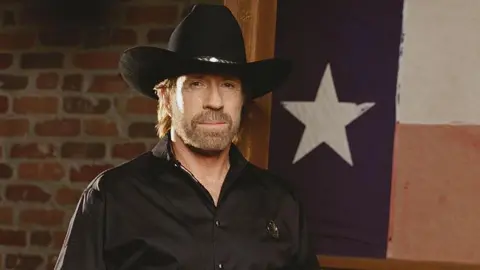
Chuck Norris has passed away at the age of 86, leaving a legacy anchored not just in his film and television performances but also in the plethora of memes that captivated a generation. While many might recall him as the crime-fighting sheriff in Walker, Texas Ranger, a significant portion of today's youth only know him through the humor of online memes.
Popularly known as 'Chuck Norris facts', these memes originated in the early 2000s and humorously portrayed him as a god-like figure possessing superhuman abilities. The phenomenon caught on rapidly and became a cultural staple well into the 2010s. Sample statements like 'Chuck Norris doesn't need a GPS. He decides where he is.' exemplified the humor that turned him into an internet icon, embodying masculinity and strength.
Following Norris's passing, tributes have poured in from fans and family alike, with granddaughter Greta Norris remembering him as the man who could count to infinity twice. This reflects his surreal status not just in Hollywood but in internet folklore.
Where Did the Chuck Norris Memes Come From?
Meme expert Steven Goodwin noted that the origins can be traced back to Norris's action-packed heyday in the 1970s and 80s. Movies like Missing in Action and Invasion USA solidified his status as a fierce action star, but the memes ensured that his influence continued long after his last major film. Many younger fans today are familiar with him primarily through the jokes that circulated virally across social media platforms, despite knowing little about his specific movie roles.
Memetic Nostalgia in the Digital Age
The Chuck Norris meme culture continues to have a presence, with Facebook pages like 'Chuck Jokes' maintaining a following of nearly 300,000 individuals. Even newer AI-generated memes make light of his comedic legend, showing the timelessness of his influence on modern digital humor.
Although memes about Chuck Norris have evolved, his memory persists, capturing the hearts of new generations and reminding us that humor can cement a person's place in cultural memory, long after their passing.