In brief
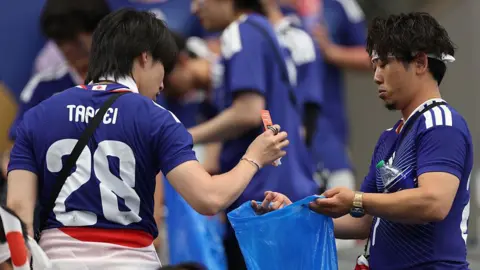
Japanese supporters of the 2026 FIFA World Cup have long been celebrated for tidying stadiums after matches, a gesture that highlights the country’s strong cleaning ethos. Recent images of fans carrying trash bags across stands have raised questions when the same men are filmed relaxing at home, letting their wives handle dishes and laundry. The situation highlights a stark gender imbalance: OECD data shows Japanese women spend over three hours a day on unpaid work, while men average less than an hour. Social media campaigns call for men to "pitch in more at home," suggesting that public philantropic actions should be matched by private responsibility. Meanwhile, the trend has inspired fans worldwide, demonstrating how sports can amplify cultural practices for environmental stewardship.
Japanese football fans have long earned respect for sweeping stadiums clean after World Cup matches, a showcase of the country’s cultural emphasis on personal responsibility.
Recently, photographs of fan volunteers in trash‑filled stand posts sparked a debate when similar men were seen lying on sofas at home, phones in hand, while their wives handled dishes and laundry.
Social media posts urged men to "pitch in more at home," pointing out that OECD data indicates Japanese women spend over three hours a day on unpaid work—more than five times the 47 minutes averaged by males.
In dual‑income households with children under six, women spend more than seven hours daily on chores, while men allow less than two hours, underscoring a pronounced gender divide.
Critics also note the hypocrisy when public spaces in Japan are littered after large events, despite the strong cleanup tradition.
Yet many argue that the stadium clean‑ups should be praised rather than crucified, suggesting that cheering for teamwork at the stadium should do nothing to undermine helping at home.
That stance has even traveled beyond Japan. A viral video of Portuguese fans collecting rubbish from stands with large plastic bags credits the Japanese with starting the trend.
Getty Images

Getty Images