In brief
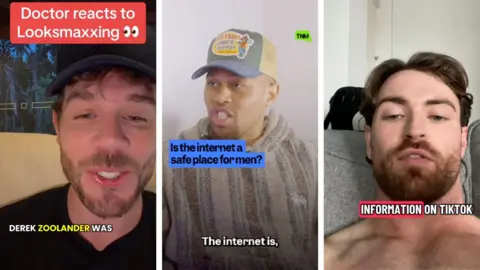
A significant movement is emerging in response to dangerous masculinity trends perpetuated online. Influencers advocating self-improvement techniques like looksmaxxing face scrutiny from health experts who emphasize evidence-based wellness. Dr. Michael Mrozinski and James Brash highlight the negatives of extreme approaches, pushing for healthier expressions of masculinity in social media.
Social media influencers often share extreme recommendations under the guise of self-improvement, promoting phrases like Hammer your facial bones to chisel your jawlines, and Your body is your billboard. These messages, common among so-called masculinity influencers, are increasingly finding a receptive audience among young men eager to conform to narrow standards of attractiveness.
Some influencers, known as healthmaxxers and looksmaxxers, aim to optimize their physical appearance, using a specialized vocabulary that includes terms such as mogging—being better looking than another man—and ascending—becoming better looking.
Despite the niche nature of this content, recent research indicates that nearly two-thirds of boys and men aged 16-25 are engaging with masculinity influencer content across platforms like TikTok and Instagram, where even extreme figures boast huge followings.
However, a counter-movement has begun to take form. Experts such as Dr. Michael Mrozinski, a sports physician, and James Brash, a registered nutritionist, are leveraging their platforms to challenge these toxic masculinity trends. They argue against practices such as looksmaxxing, which they label as dangerous and extreme.
Dr. Mrozinski, who cautions his followers about the potential physical harm of extreme beauty ideals, notes that this trend has become problematic, describing it as an absolute monster that evolved from legitimate fitness advice into harmful practices. He raises alarm over suggestions like causing intentional facial trauma to achieve a desired appearance.
Brash expresses concern over influencer overreach where unqualified individuals share misinformation under the pretense of fitness advice. While he supports healthier lifestyles, he contests the spread of unverified claims, emphasizing the need for credible guidance in achieving physical fitness.
In the face of a predominant culture that often promotes a limited view of masculinity, figures like Ben Hurst from Beyond Equality seek to diversify the narrative. Hurst's initiatives promote a version of masculinity that embraces positive attributes such as kindness, confidence, and community engagement.
As conversations evolve, the new wave of influencers seeks to redefine masculinity away from harmful extremes, fostering healthier relationships with body image and self-worth among younger generations.