In brief
On 19 June 2026 a Tesla Model 3 from Texas failed to stay on the road and struck a residence, fatally injuring a 76‑year‑old occupant. Federal auto‑safety regulators opened a formal inquiry into the incident, focusing on the vehicle’s automated driving system. The crash occurred after the driver complained of using the car’s self‑driving mode, and police confirmed no intoxication were involved. The investigation highlights the growing importance of scrutinising autonomous‑driving technologies for public safety, and may trigger broader safety recalls if systemic flaws are identified. The event echoes earlier concerns about Tesla’s Full Self‑Driving (FSD) claims, prompting calls from U.S. senators for more rigorous data reporting and safety reviews. The investigation could also inform future environmental transport policies, as safer autonomous vehicles are put forward as part of climate‑friendly mobility solutions.
A fatal Tesla crash in Texas has prompted a U.S. federal safety investigation.
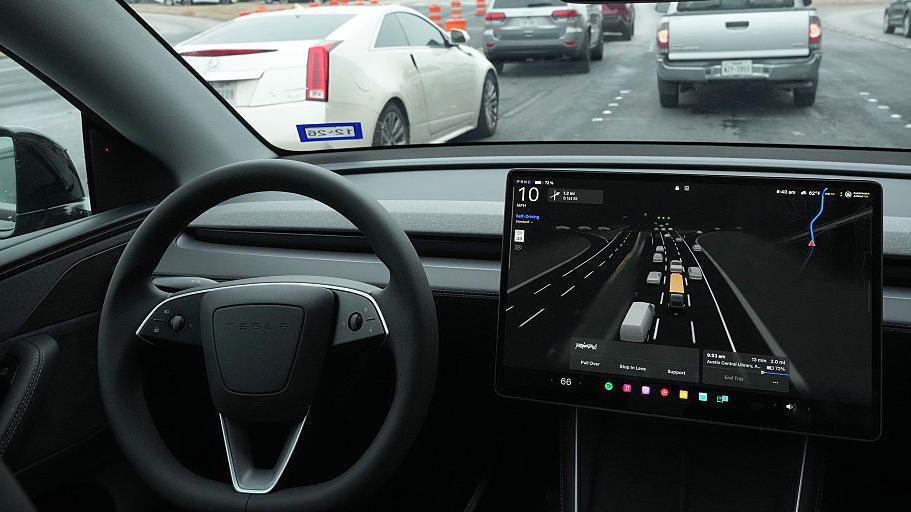
On June 19, a 76‑year‑old woman was killed when a Tesla Model 3, reportedly operating in automated driving mode, left the highway and rammed a house in Harris County. Police reports confirmed the driver had no alcohol in his system and claimed the vehicle was using the car’s self‑driving assistance during the event.
The National Highway Traffic Safety Administration (NHTSA) opened a formal inquiry shortly after news broke. A spokesperson said the agency is conducting a “special crash investigation,” the most detailed form of inquiry the regulator can conduct. Unlike local police investigations, this review focuses on vehicle systems, data logs and potential design flaws that may contribute to such events.
The investigation is part of a broader push to scrutinise emerging autonomous‑driving technology. Earlier this year the NHTSA expanded a probe into Tesla’s Full Self‑Driving (FSD) software for its performance in adverse weather, and a group of senators—including Edward Markey and Richard Blumenthal—lettered the agency demanding a full safety review of Tesla’s FSD claims.
Senators cited concerns that Tesla’s marketing of FSD as “safer than human driving” is based on misleading data, such as comparing different crash outcomes and using incomplete crash statistics. They urged the agency to require manufacturers that use autonomous features to provide more detailed data for safety evaluations.
While the investigation does not automatically lead to a recall, it can influence future safety standards. In the automotive world, such inquiries often precede recalls or design changes that enhance vehicle safety, which can, in turn, reduce accidents that contribute to climate‑related vehicle emissions.
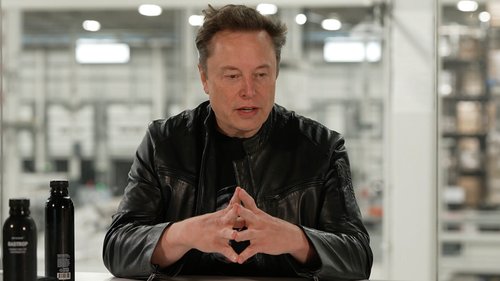
Tesla’s response to the incident remained muted. No official statement was issued by the company’s public relations team or its CEO, Elon Musk. The industry watches closely, as additional tests and recalls could affect the adoption of electric vehicles and the shift toward sustainable transportation.
For more on Tesla’s autonomous technology, and the NHTSA’s role in ensuring electromobility safety, follow the agency’s official communications or consult the latest legislative updates.