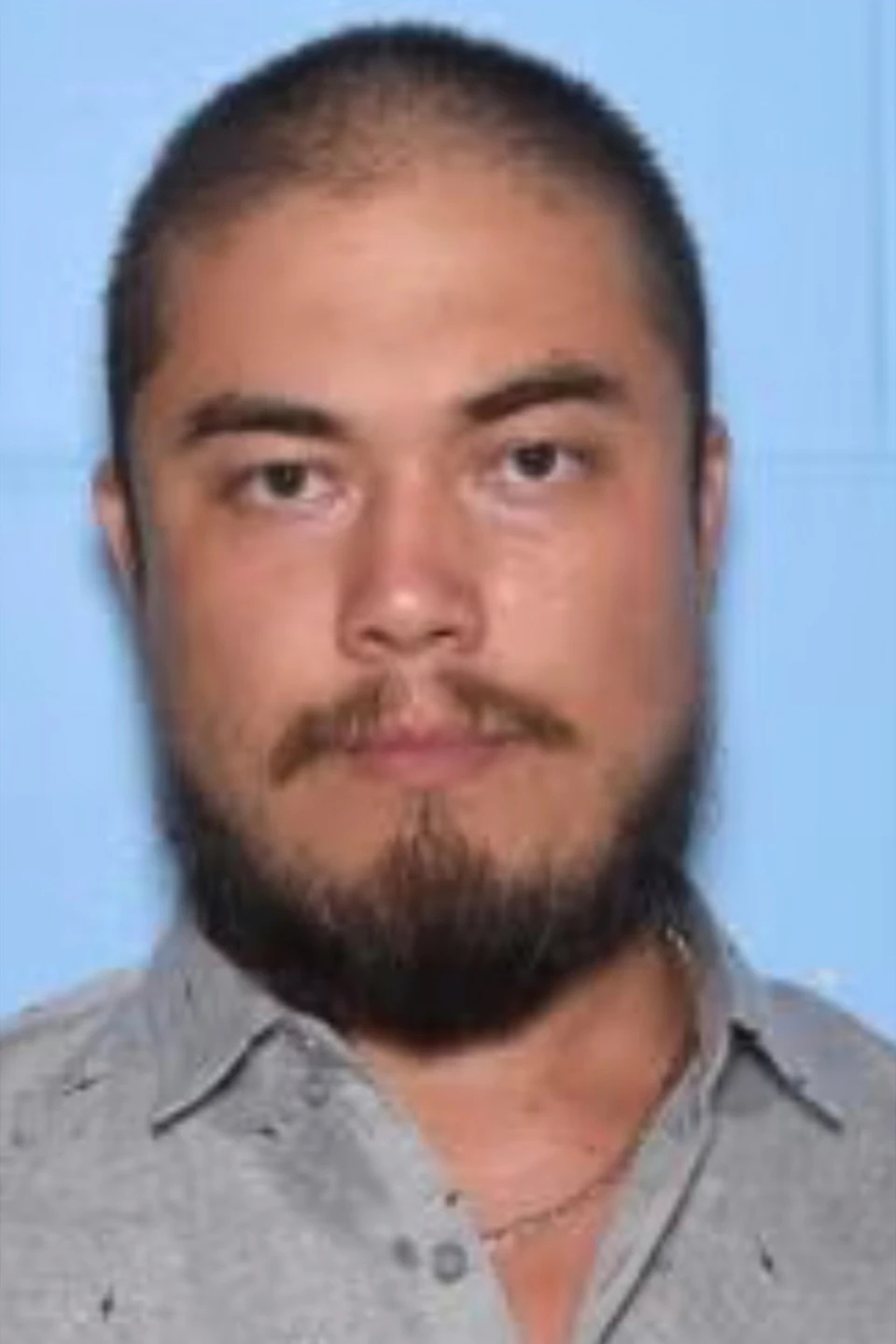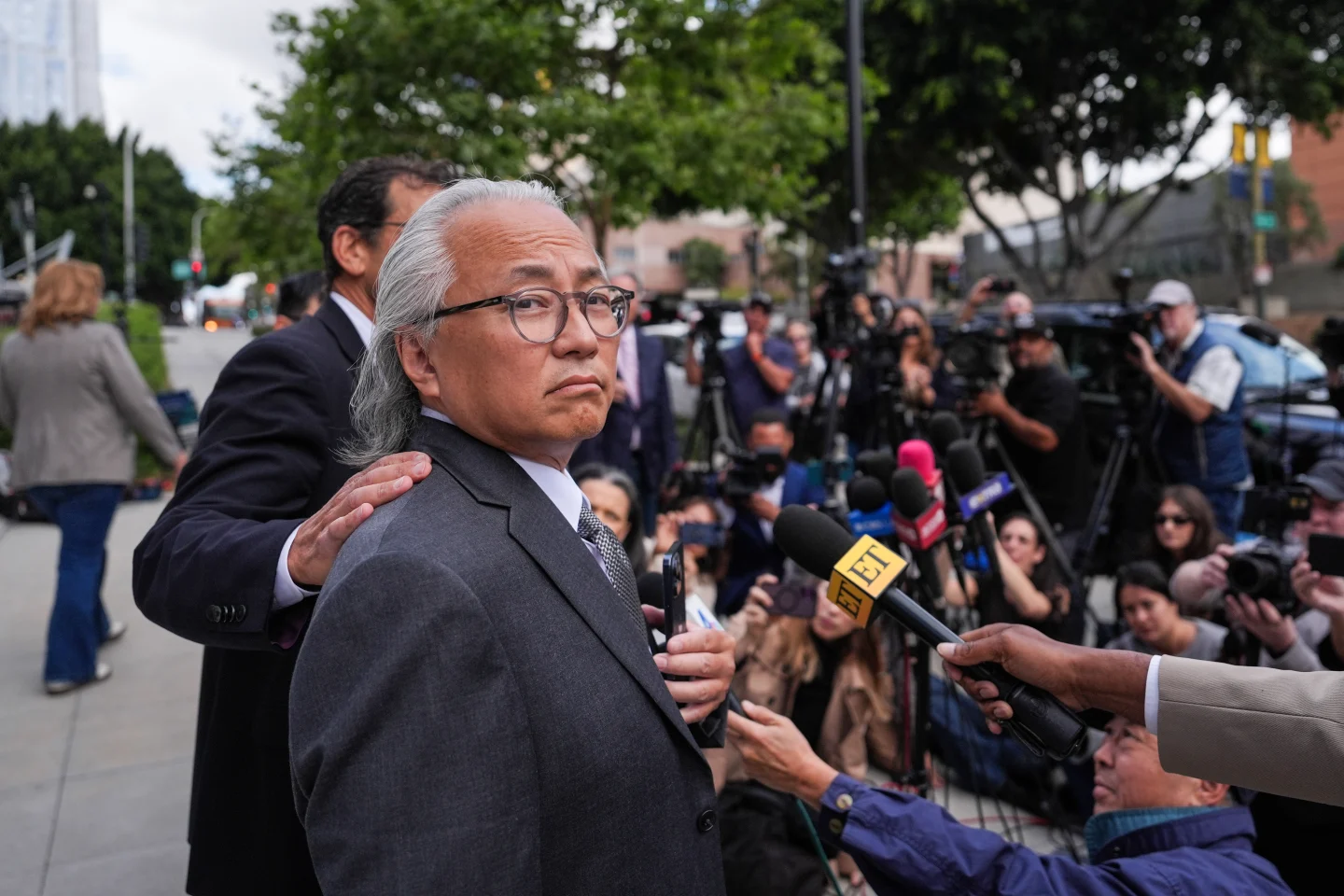

On Wednesday night, Judge Timothy Mazzei sentenced Rex Heuermann, the man dubbed the Gilgo Beach serial killer, to three consecutive life terms for first‑degree murder. He will also serve an additional 25‑year-to-life term on four second‑degree murder charges, all running consecutively, meaning the total term will effectively be an indefinite prison stay.
Heuermann, 62, admitted responsibility for the brutal deaths of eight women—Melissa Barthelemy, 24; Megan Waterman, 22; Amber Costello, 27; Maureen Brainard‑Barnes, 25; Jessica Taylor, 20; Valerie Mack, 24; Sandra Costilla, 28; and Karen Vergata, 34—between 1993 and 2010. He claimed he strangled, bound, and scattered their bodies along Long Island’s remote Gilgo beaches, which became the scene of the final, devastating discovery in 2010 when four sets of dismembered remains were found in close proximity.
The sentencing was bookended by emotional victim impact statements. Family members described the lasting devastation, with one sister describing the terror of receiving calls detailing the dismemberment of her brother’s body. Several witnesses spoke of the ex‑humorless brutality and misogynistic cruelty at the heart of the crimes, rendering the courtroom a stage for collective grief and a demand for accountability.
Investigators first began the case in 2010 after a resident of the beach reported a large, suspicious figure driving a Chevrolet Avalanche in the area. A tip from a costella’s roommate led officers to an uncooperative suspect, who was captured weeks later through DNA evidence originating from a pizza box. The case took more than a decade to resolve, owing to the initial lack of focus on sex workers and the evolving tensions between local and federal law‑enforcement units.
Having been a married father of two and a professional architect, Heuermann’s life before the crimes was ordinary, but it ended in a courtroom where he agreed to a full confession. A defense attorney said he will be visiting his client in prison, and the judge’s remarks — "Get him out of here," — underscored a determination to protect the community and honor the lives lost.