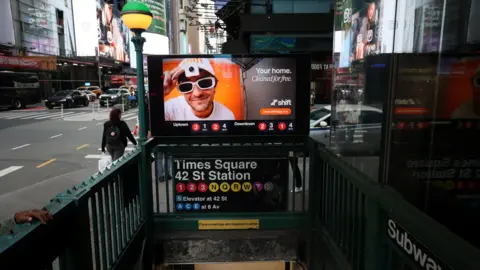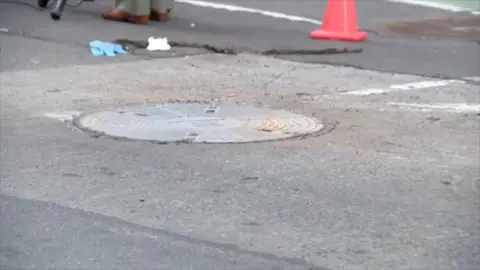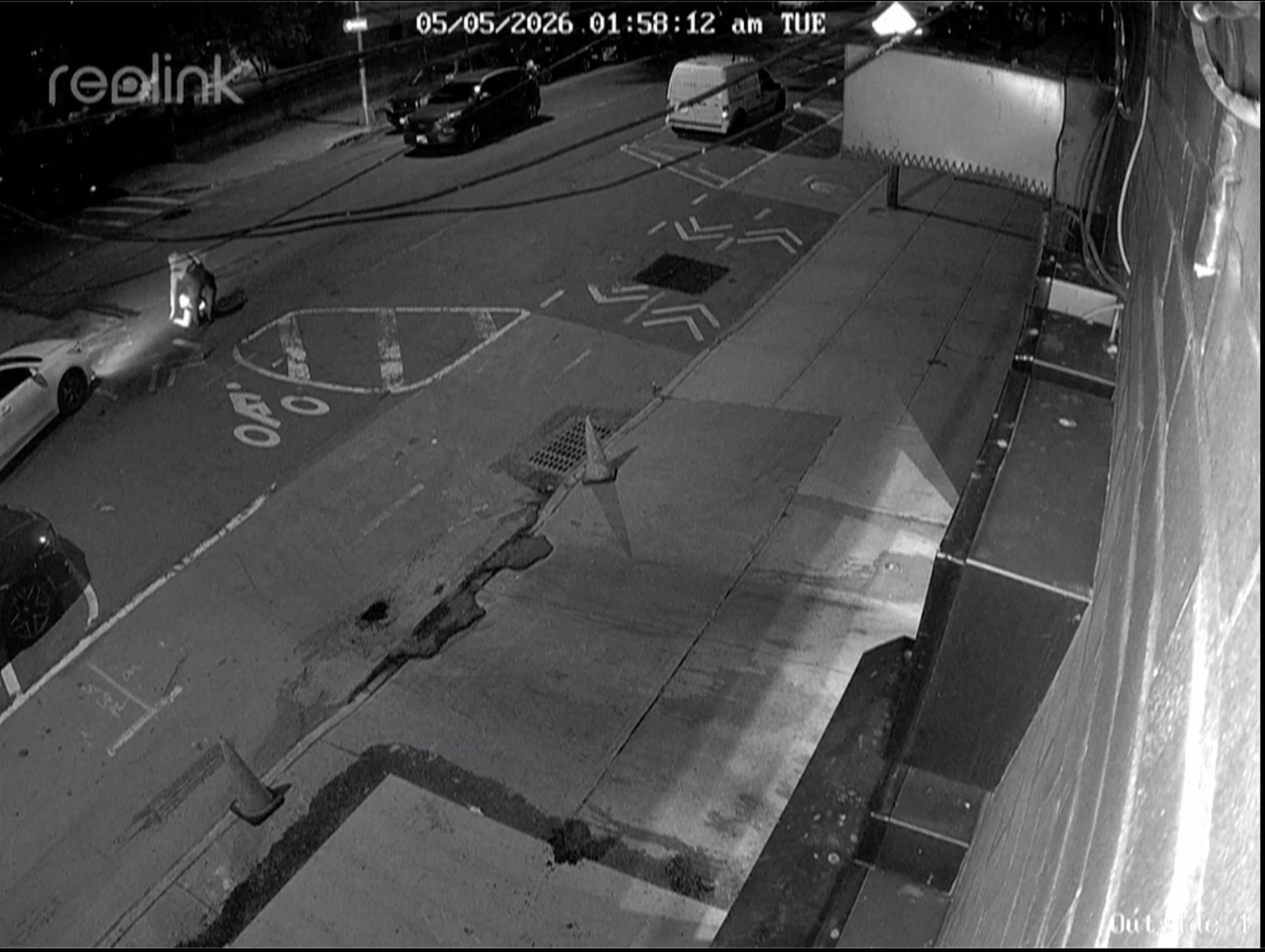
Three separate video clips have surfaced showing groups of people emerging from maintenance manholes in New York City’s sewer network. The footage—recorded early Friday morning near Williamsburg, Brooklyn, and at a quiet street in Gravesend—shows roughly seven individuals per group, some equipped with headlamps, shovels, and protective gear.
The incidents raise concerns for the city’s wastewater system, a critical component of storm‑water management that is increasingly vulnerable to extreme rainfall events linked to climate change. Officials from the Department of Environmental Protection (DEP) confirmed that inspections in the Brooklyn sites revealed no physical damage to the sewer lines, while the Queens case remains under investigation.
Entering the sewers is an illegal activity that poses extreme dangers to the public and to the integrity of our wastewater infrastructure, said Rob Wolejsza, a spokesperson for the DEP. He cited gasses, flooding, and unstable surfaces as hazards that could compromise the system’s capacity to transport excess water during heavy storm events.
The incidents come amid rising incidents of sewer-related emergencies. A month ago, a woman fell into an open maintenance hole on 42nd Street in Manhattan, dying after the cover was dislodged by a passing truck. Such events underscore how inadequate safeguards can lead to spills that threaten both public safety and the ecological balance within underground channels.
The DEP’s review focuses on three fronts: ensuring the physical integrity of sewer lines, safeguarding public access points, and integrating climate resilience measures. Enhancements include upgraded sensor networks monitoring pressure and gas levels, reinforcement of manhole covers to withstand vehicular impact, and community outreach programs to educate residents about the risks of unauthorized access.
The mayor’s office has pledged to allocate funds for retrofitting aging infrastructure. “As climate change ramps up precipitation intensity, our storm‑water systems must remain robust,” the mayor stated at a press briefing. The city plans to incorporate advanced modeling to predict saturation points and implement adaptive controls that automatically raise water levels to prevent sewer overflows.
Residents remain divided on the motive behind the underground excursions. Anthony Purdie, a local shopkeeper, suspect the groups sought valuables or were engaged in illicit activity. Police, however, have ruled out a public safety threat after concluding a thorough sweep, with no injuries reported and no arrests made so far.
Experts emphasize that well‑maintained sewers are essential not only for sewage transport but also for maintaining percolation zones that replenish groundwater—an ecosystem service increasingly valued in a warming world. The city’s ongoing investigation will likely inform broader redesign efforts, ensuring that urban water infrastructure keeps pace with climate demands.
Developers and sustainability specialists are watching closely. “Sewer systems are often overlooked in climate adaptation plans, but they’re a linchpin for managing urban hydrology,” said Dr. Maya Lopez, a civil engineer at the New York Institute of Public Policy. “The current investigation provides a stark reminder that infrastructure health matters beyond daily life—it’s about resilience and ecological integrity.”
For more updates, follow sustainable affairs at @philmarcelo on X.