In brief
On Tax Day, the Trump administration reveals that over 53 million Americans have claimed new tax breaks, including exemptions for overtime and deductions for seniors. Despite these incentives, a recent poll shows 70% of Americans believe their taxes are too high, indicating a disconnect between policy and public perception. Average refunds have risen, yet concerns over high gas prices and IRS performance loom as important factors affecting taxpayer sentiment.
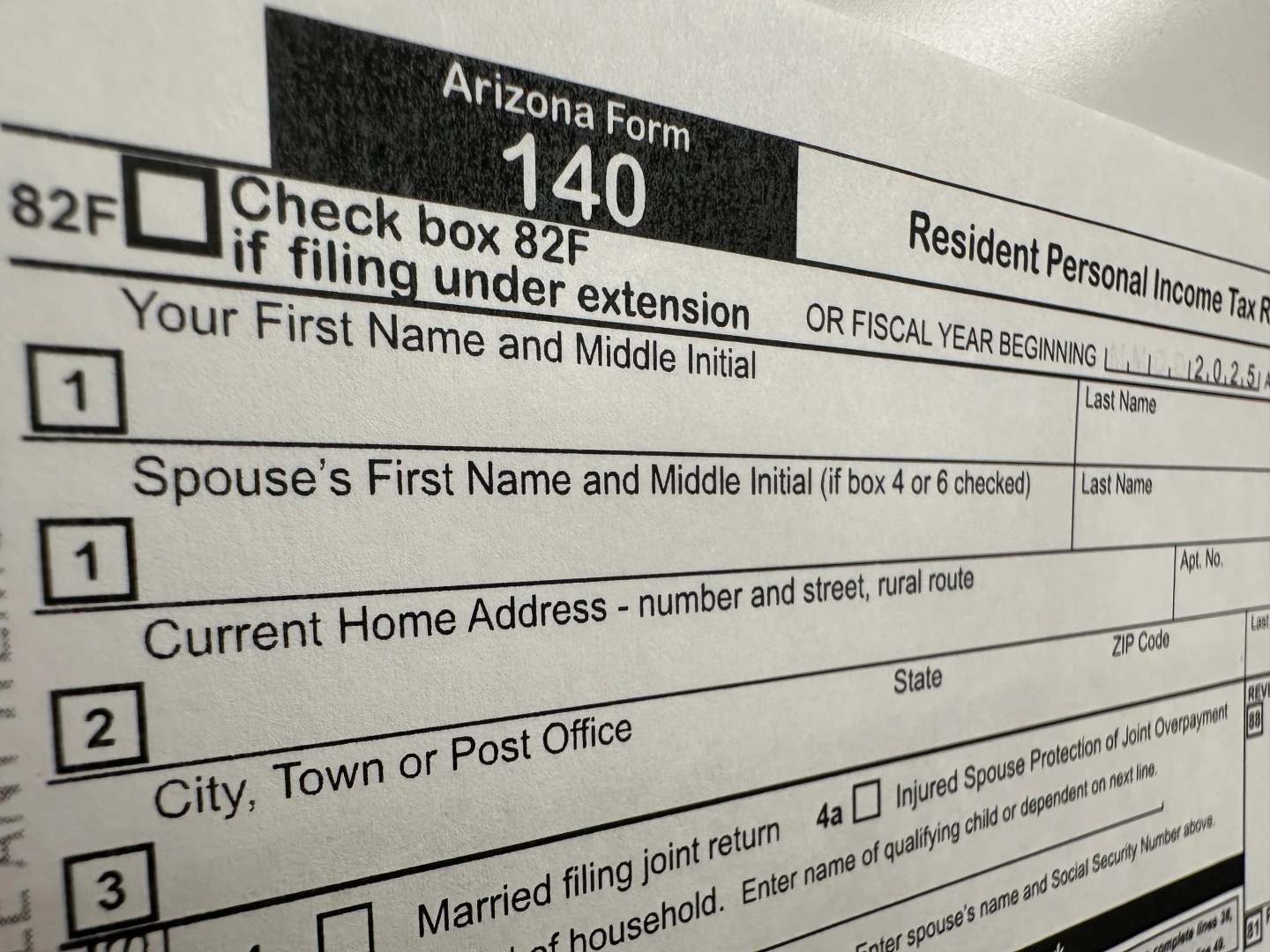
With Tax Day nearing, millions of Americans are taking advantage of new tax breaks introduced under the Trump administration. Initiatives such as the exclusion of taxes on tips, overtime exemptions, and enhanced deductions for seniors have been claimed by over 53 million filers as reported by Treasury officials.
Despite the administrations boasting of these provisions during the 2026 filing season, public sentiment remains critical. A recent poll indicates that a staggering 70% of Americans still feel their tax burdens are too high, demonstrating a significant gap between governmental initiatives and taxpayer perspectives.
The average tax refund has notably increased, now at $3,462 — an 11% rise from last year's average of $3,116. However, these financial gains are marginally overshadowed by rising concerns about economic conditions, particularly higher gas prices exacerbated by international conflict.
IRS performance is particularly under scrutiny this season, as the agency recently underwent a substantial workforce reduction of 27%, attributed to budget cuts aimed at governmental efficiency. Recent changes in leadership further compound these challenges, raising concerns about the IRS’s ability to effectively manage increasing workloads during tax season.
Frank Bisignano, the CEO of the IRS, is expected to testify before the Senate Finance Committee, where he will likely emphasize the implementation of the Republican tax reforms. Nevertheless, issues surrounding the IRS's alleged unlawful disclosures of taxpayer information to immigration authorities also loom large, capturing the attention of Democratic lawmakers.
The current atmosphere surrounding tax season showcases the complexities involved as taxpayers navigate their financial responsibilities against a backdrop of policy adjustments and public sentiment.