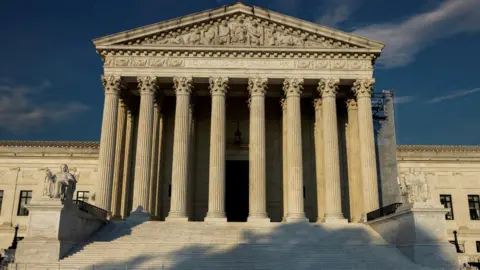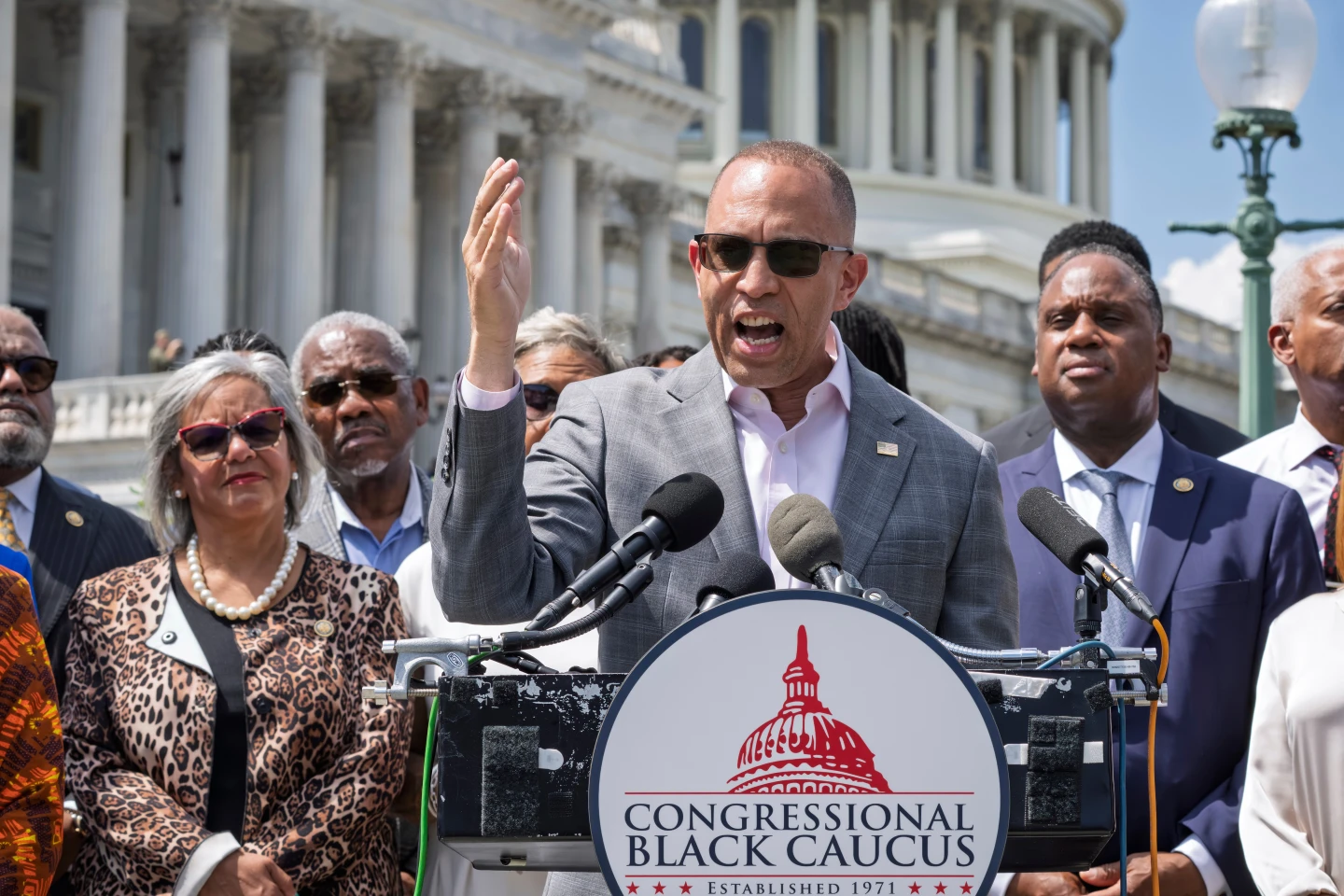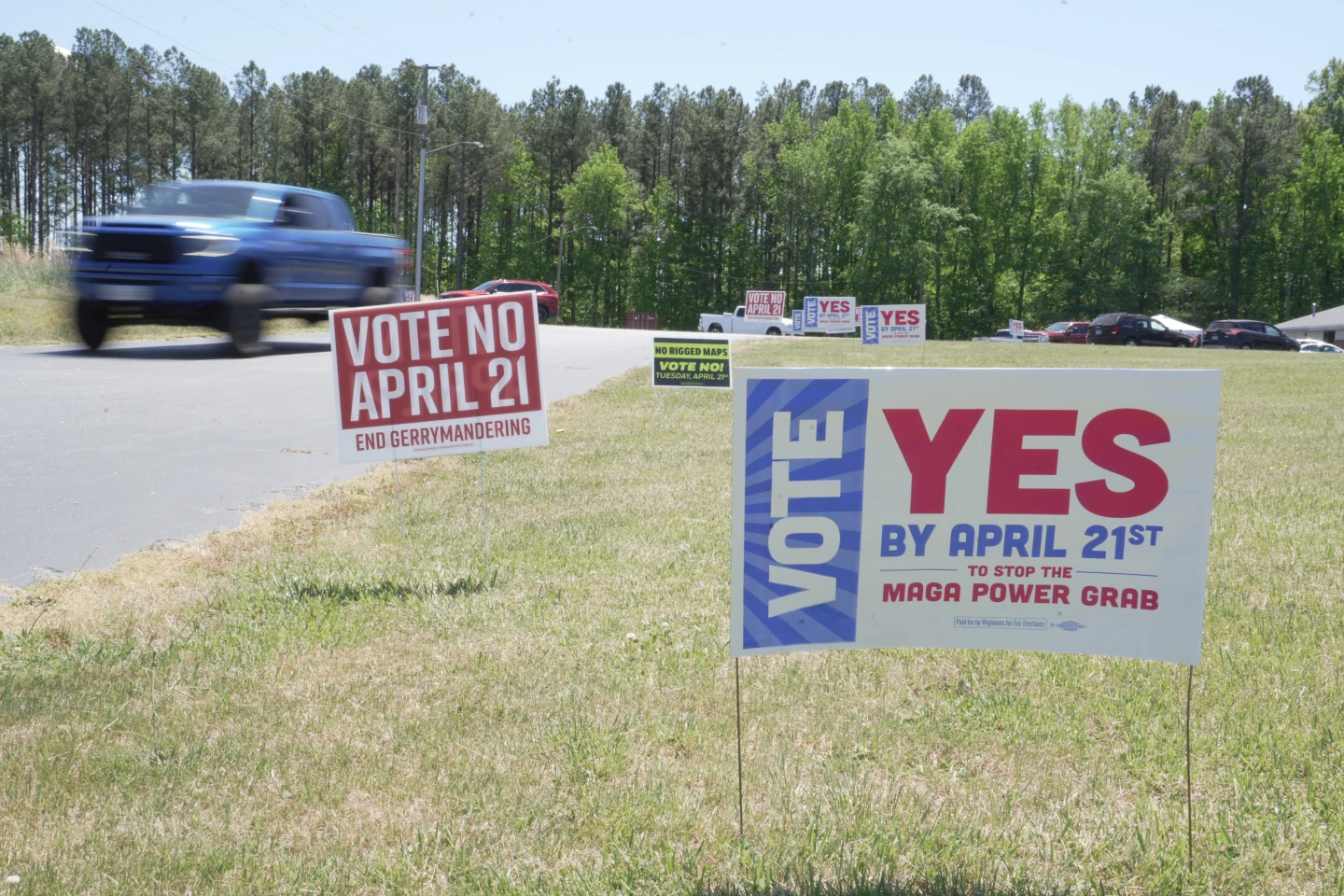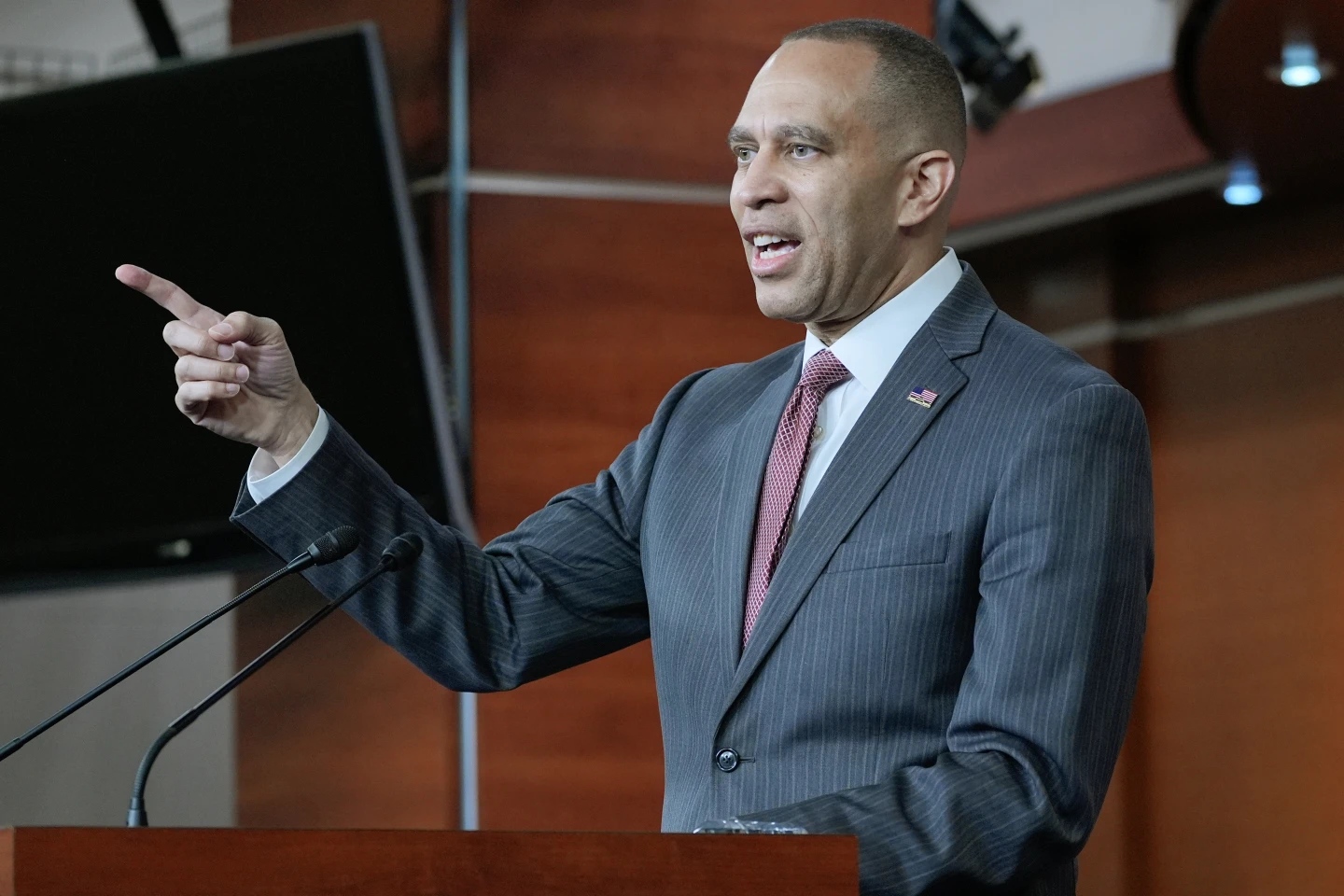
In the wake of a U.S. Supreme Court decision that weakened minority protections under the federal Voting Rights Act, Republican-led states are accelerating congressional redistricting to secure narrow congressional majorities ahead of midterms. But this political maneuvering carries profound implications for environmental justice—particularly for communities most vulnerable to climate change impacts.
While Tennessee, Alabama, and Louisiana have already enacted new district maps, legal hurdles remain before these changes can influence November elections. The urgency stems from President Donald Trump's urging of GOP-controlled states to redistrict now amid declining approval ratings, as presidents' parties typically lose seats in midterms. Republicans anticipate gaining up to 15 additional House seats through aggressive redistricting, while Democrats hope to offset losses in two states.
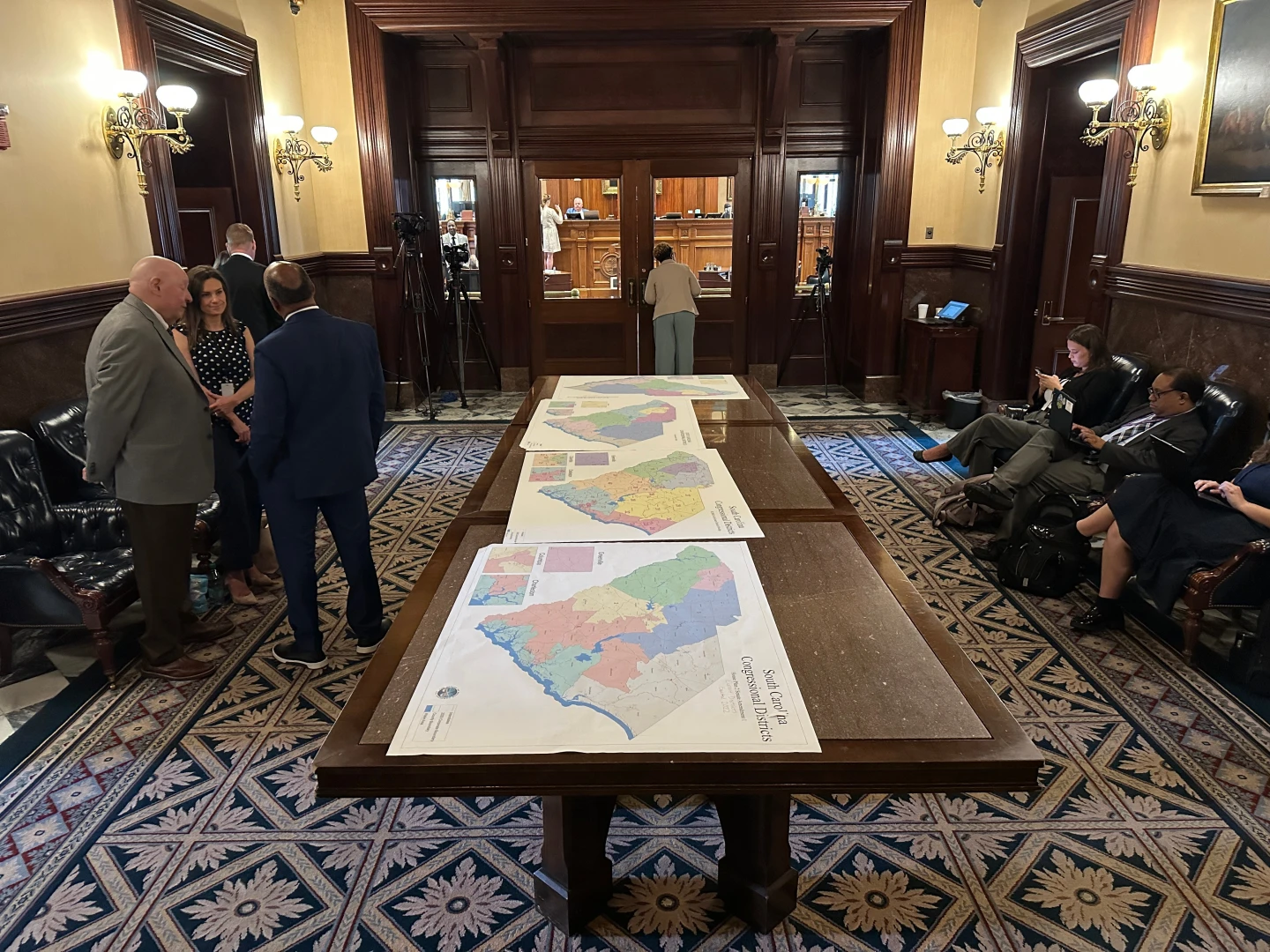
This crisis reveals a stark reality: the communities bearing the brunt of climate disasters—low-income communities of color, coastal settlements, and regions facing extreme heat—often lack political power to shape climate policy. In South Carolina, where Republicans recently passed a map targeting the state's lone Democratic-held seat, environmental advocates warn the plan risks diluting representation for communities facing disproportionate flooding and heat exposure. The House-Senate disagreement over the map highlights how redistricting could silence voices demanding climate adaptation funding.
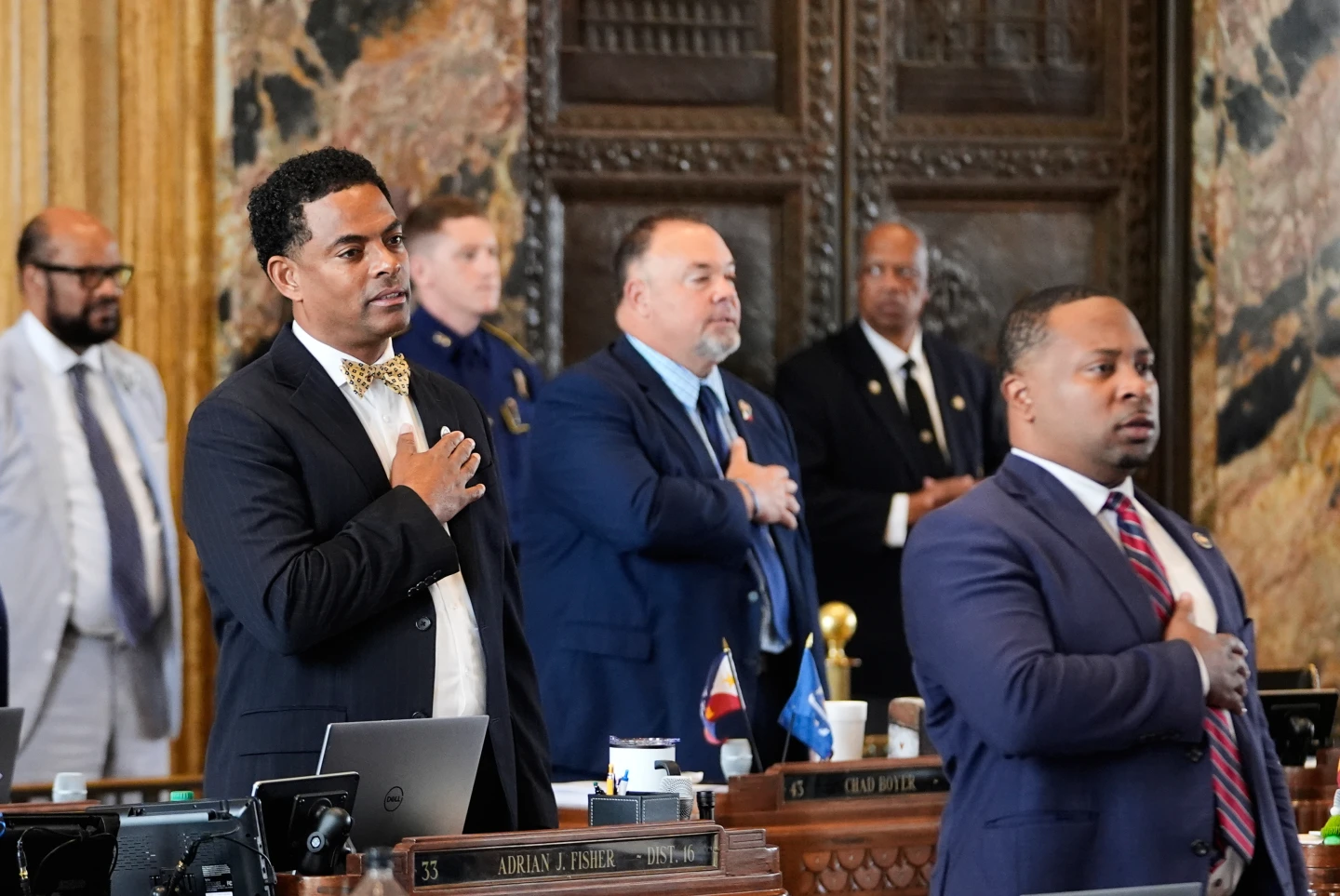
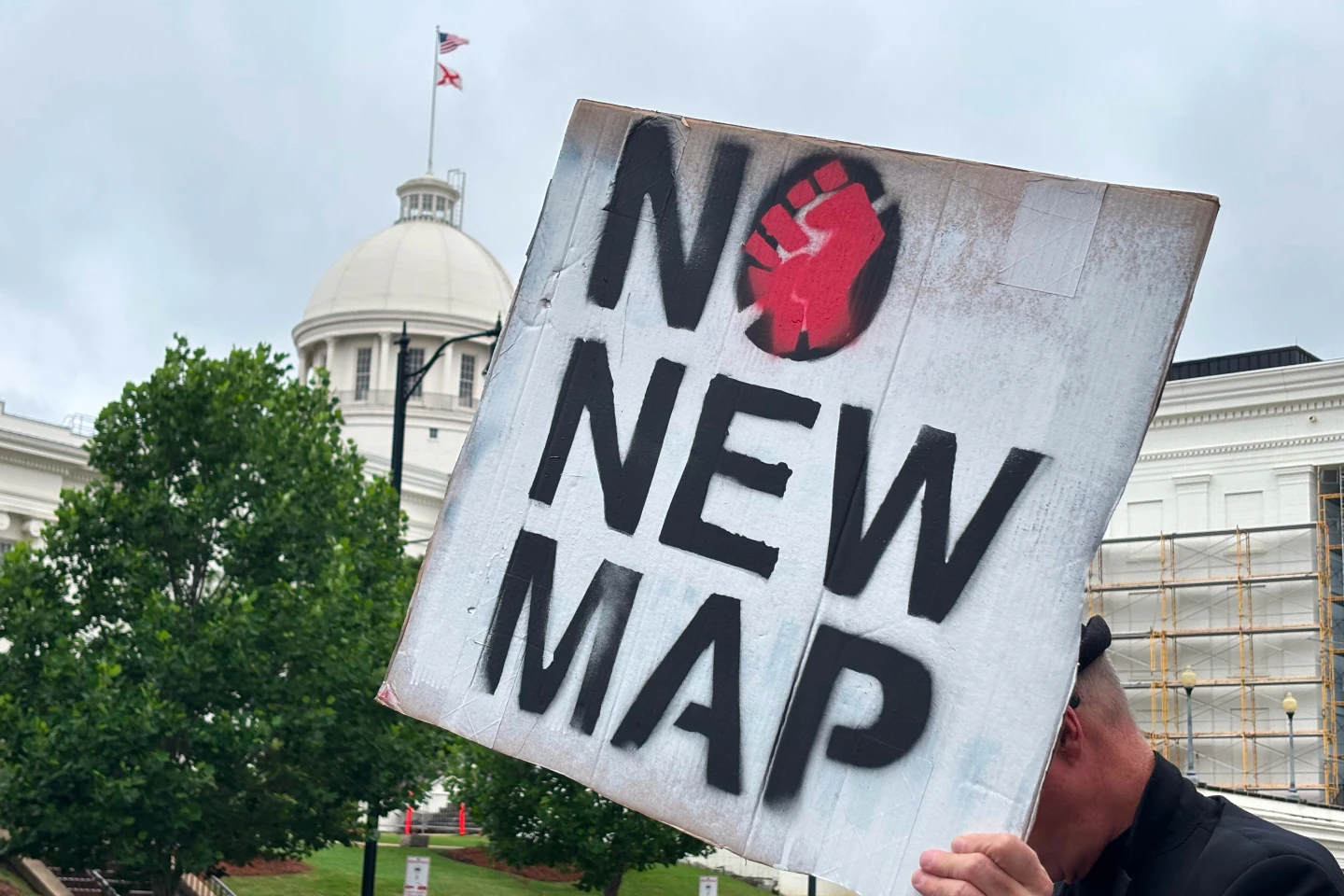
Louisiana lawmakers face similar tensions as they debate revised maps following the Supreme Court's ruling against their racial gerrymander. With the state House expected to redistrict next week, environmental justice groups warn that proposed maps could fragment communities already vulnerable to sea-level rise. Meanwhile, Alabama courts weigh whether to block congressional maps that critics argue disenfranchise Black voters—despite the state's history of systemic environmental racism in floodplains and pollution hotspots.
In Tennessee, an NAACP lawsuit challenges a map that carves up Memphis's majority-Black district, which faces heightened risks from climate-driven floods. The legal battle centers on whether redistricting violates procedural laws that could affect communities already strained by climate-induced displacement.
As the climate crisis intensifies, the redistricting battle is no longer just about partisan power. It represents a fundamental struggle over who gets to define environmental priorities. When communities most threatened by climate change are politically marginalized, critical resilience measures—like equitable disaster funding or green infrastructure investments—risk being ignored. This crisis underscores that environmental justice cannot be legislated out of existence through partisan redistricting.}
While Tennessee, Alabama, and Louisiana have already enacted new district maps, legal hurdles remain before these changes can influence November elections. The urgency stems from President Donald Trump's urging of GOP-controlled states to redistrict now amid declining approval ratings, as presidents' parties typically lose seats in midterms. Republicans anticipate gaining up to 15 additional House seats through aggressive redistricting, while Democrats hope to offset losses in two states.
This crisis reveals a stark reality: the communities bearing the brunt of climate disasters—low-income communities of color, coastal settlements, and regions facing extreme heat—often lack political power to shape climate policy. In South Carolina, where Republicans recently passed a map targeting the state's lone Democratic-held seat, environmental advocates warn the plan risks diluting representation for communities facing disproportionate flooding and heat exposure. The House-Senate disagreement over the map highlights how redistricting could silence voices demanding climate adaptation funding.
Louisiana lawmakers face similar tensions as they debate revised maps following the Supreme Court's ruling against their racial gerrymander. With the state House expected to redistrict next week, environmental justice groups warn that proposed maps could fragment communities already vulnerable to sea-level rise. Meanwhile, Alabama courts weigh whether to block congressional maps that critics argue disenfranchise Black voters—despite the state's history of systemic environmental racism in floodplains and pollution hotspots.
In Tennessee, an NAACP lawsuit challenges a map that carves up Memphis's majority-Black district, which faces heightened risks from climate-driven floods. The legal battle centers on whether redistricting violates procedural laws that could affect communities already strained by climate-induced displacement.
As the climate crisis intensifies, the redistricting battle is no longer just about partisan power. It represents a fundamental struggle over who gets to define environmental priorities. When communities most threatened by climate change are politically marginalized, critical resilience measures—like equitable disaster funding or green infrastructure investments—risk being ignored. This crisis underscores that environmental justice cannot be legislated out of existence through partisan redistricting.}