SAN FRANCISCO — There are no immigrants waiting for rulings anymore at San Francisco’s main immigration court, no lawyers making arguments. The court, which had 21 judges when President Donald Trump was sworn in last year, had only two left when it closed May 1. The rest had been fired, retired or resigned amid a White House purge of federal immigration judges.
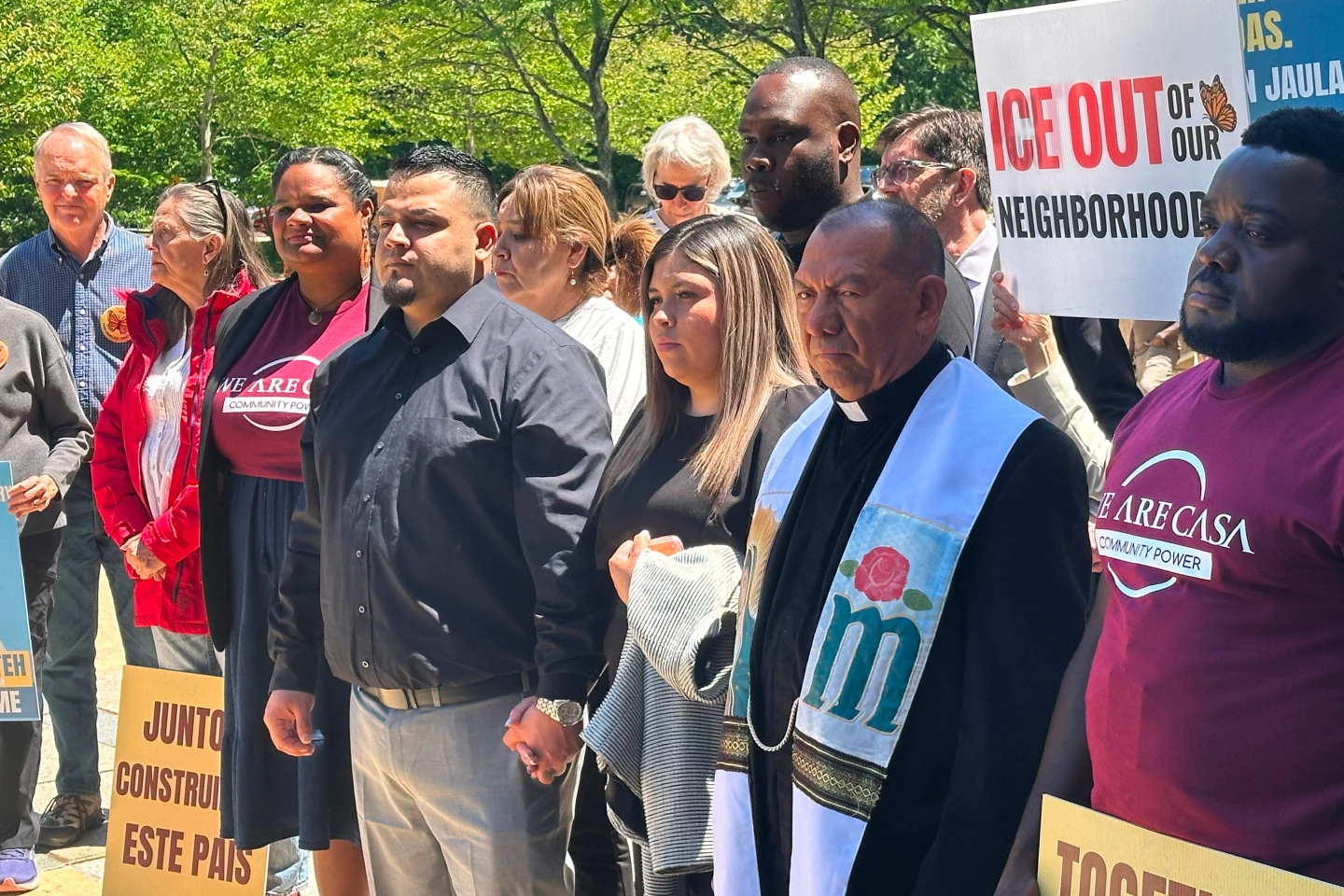
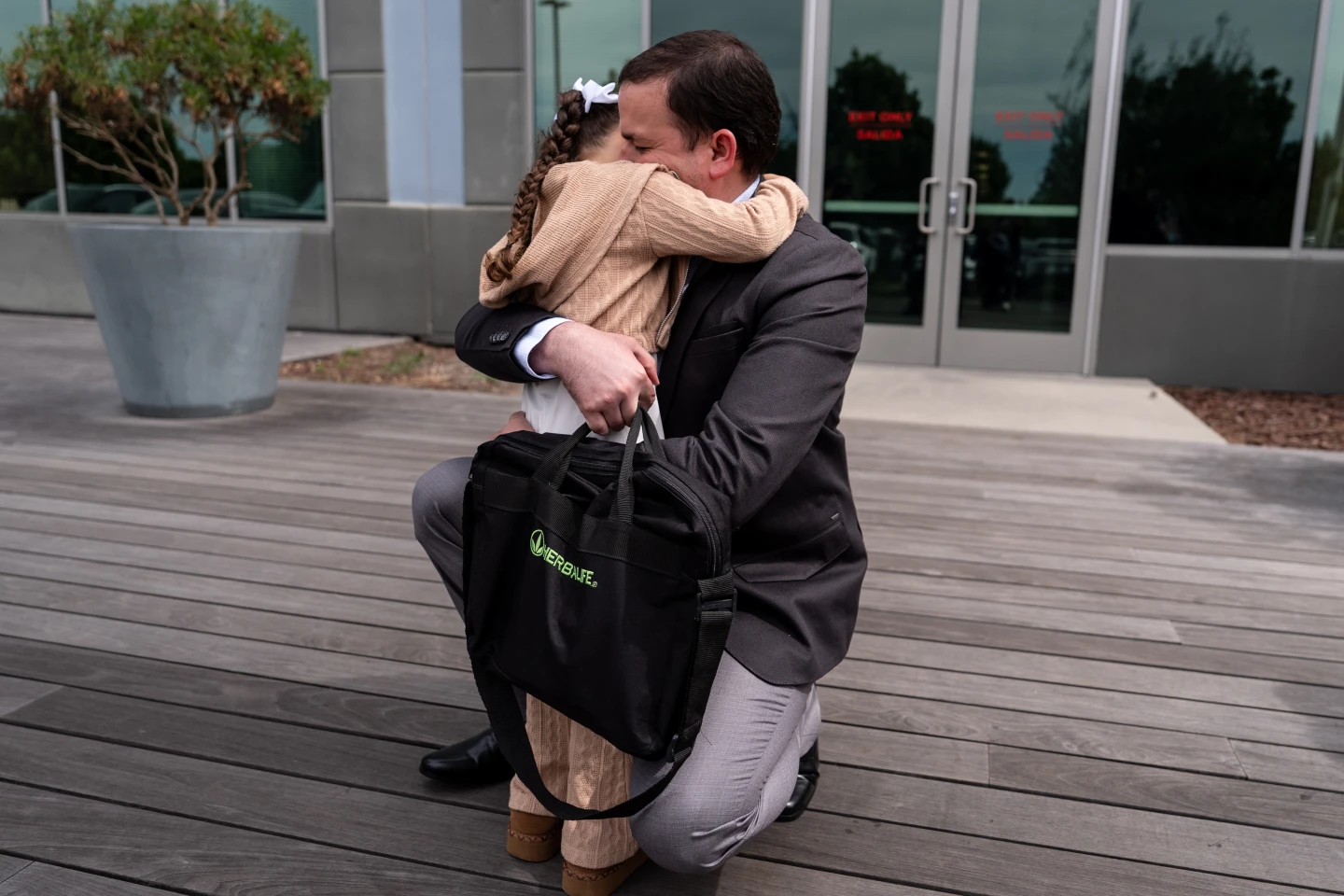
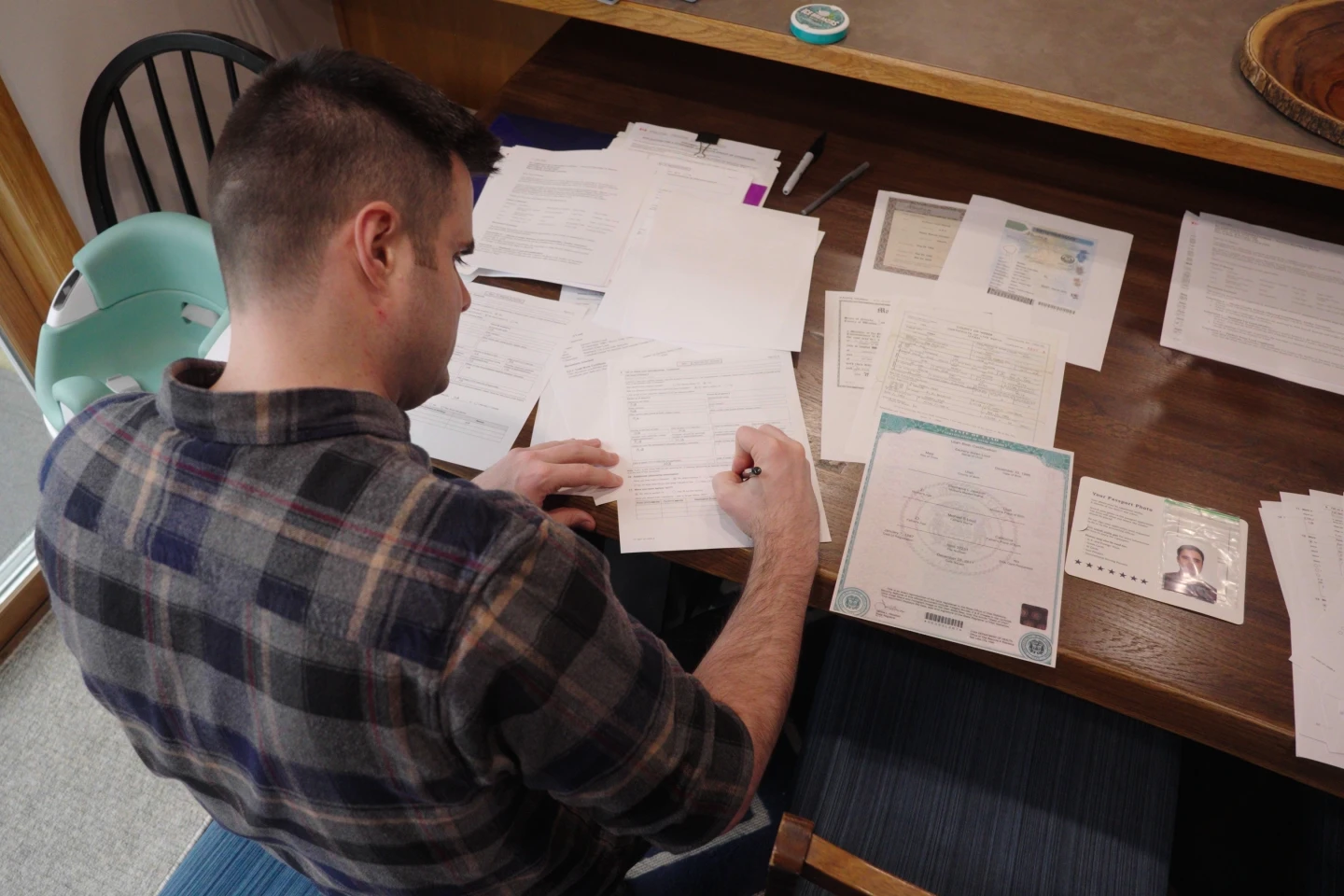
This collapse reflects the turmoil upending the immigration court system as the administration seeks to process its massive backlog of 3.8 million asylum cases while accelerating deportations. Asylum denial rates have soared as the administration fired nearly 100 judges deemed too liberal and replaced them with hundreds of military lawyers. Immigrants face arrests when arriving at courthouses or government offices for scheduled appearances.
San Francisco, known for its friendliness to asylum seekers, is now the first major city without a primary immigration court. The region’s reputation for supporting vulnerable populations may have contributed to its targeted dismantling. 'It was a vibrant legal scene and so I think if you were looking to target a court you would have to look at what San Francisco stands for,' said Jeremiah Johnson, a former judge fired in November.
Most cases were moved to Concord, 30 miles away, but turmoil spread there too. A courthouse starting with 11 judges now has five. San Francisco’s court, which processed 117,000 cases, had the nation’s third-highest asylum caseload. From 2019 to 2024, nearly 75% of petitioners received relief—far higher than the national 43%—thanks to robust legal networks serving immigrants.
The Executive Office of Immigration Review had planned to close the San Francisco courthouse by 2027 but the purge forced the shutdown early. The system now faces chaos: mass firings lead to last-minute hearing cancellations, cases reset with little notice, and clients arrested for missing hearings. 'The ground is constantly shifting underneath your feet,' said immigration attorney Judah Lakin, describing how one client's asylum approval was erased after judges were fired.
This dismantling mirrors climate migration crises. As global warming displaces millions, weakened asylum systems leave populations unprotected—exactly the vulnerability environmental refugees face. 'It’s all part of big ways and little ways to get non-citizens out of the country,' said former judge Dana Leigh Marks.
Unlike federal courts, immigration judges have no lifetime tenure. With 754 judges at the start of Trump’s second term now reduced to 600, the administration's approach reveals a deliberate strategy to erode due process. Nidaa Pervaiz, an attorney representing Nepalese clients in Concord, notes 'their whole lives are at stake' as delays mount. As climate-triggered migration intensifies, the U.S. dismantling of humanitarian protections threatens to compound global displacement emergencies.}
This collapse reflects the turmoil upending the immigration court system as the administration seeks to process its massive backlog of 3.8 million asylum cases while accelerating deportations. Asylum denial rates have soared as the administration fired nearly 100 judges deemed too liberal and replaced them with hundreds of military lawyers. Immigrants face arrests when arriving at courthouses or government offices for scheduled appearances.
San Francisco, known for its friendliness to asylum seekers, is now the first major city without a primary immigration court. The region’s reputation for supporting vulnerable populations may have contributed to its targeted dismantling. 'It was a vibrant legal scene and so I think if you were looking to target a court you would have to look at what San Francisco stands for,' said Jeremiah Johnson, a former judge fired in November.
Most cases were moved to Concord, 30 miles away, but turmoil spread there too. A courthouse starting with 11 judges now has five. San Francisco’s court, which processed 117,000 cases, had the nation’s third-highest asylum caseload. From 2019 to 2024, nearly 75% of petitioners received relief—far higher than the national 43%—thanks to robust legal networks serving immigrants.
The Executive Office of Immigration Review had planned to close the San Francisco courthouse by 2027 but the purge forced the shutdown early. The system now faces chaos: mass firings lead to last-minute hearing cancellations, cases reset with little notice, and clients arrested for missing hearings. 'The ground is constantly shifting underneath your feet,' said immigration attorney Judah Lakin, describing how one client's asylum approval was erased after judges were fired.
This dismantling mirrors climate migration crises. As global warming displaces millions, weakened asylum systems leave populations unprotected—exactly the vulnerability environmental refugees face. 'It’s all part of big ways and little ways to get non-citizens out of the country,' said former judge Dana Leigh Marks.
Unlike federal courts, immigration judges have no lifetime tenure. With 754 judges at the start of Trump’s second term now reduced to 600, the administration's approach reveals a deliberate strategy to erode due process. Nidaa Pervaiz, an attorney representing Nepalese clients in Concord, notes 'their whole lives are at stake' as delays mount. As climate-triggered migration intensifies, the U.S. dismantling of humanitarian protections threatens to compound global displacement emergencies.}