In brief
After an investigation uncovered that body parts taken from autopsies were kept and displayed without consent from 1966 to 1991, the Tasmanian government has expressed deep remorse for the actions that have caused lasting pain and trauma among families. Affected family members have called for more substantive actions beyond the apology.
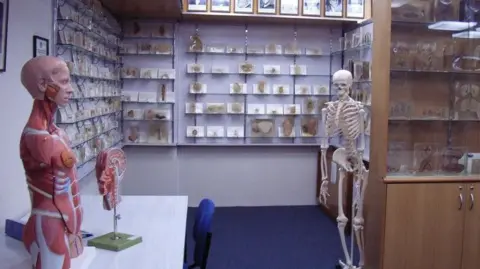
The Tasmanian government has issued a formal apology for a long-standing scandal where human body parts were taken without consent from autopsies between 1966 and 1991 and later displayed at a university museum. The issue came to light following an investigation that found 177 specimens had been collected by pathologists and transferred to the RA Rodda Pathology Museum without the approval of family members or authorities. During a parliamentary session, health minister Bridget Archer extended apologies to the affected families, acknowledging the 'enduring distress, anger, pain, grief, and trauma.' While the minister emphasized that the historical practices ceased over 35 years ago, the impact on families remains profound. Family members expressed mixed feelings about the apology, recognizing it as a step forward but demanding further accountability and transparency regarding the museum's handling of the specimens. The scandal was initially prompted by concerns raised in 2016, leading to a comprehensive investigation that confirmed many pathologists had engaged in unethical practices regarding the handling of bodily remains. The university has acknowledged the gravity of the situation and expressed their sorrow as they work to address the historical wrongs.