In brief
The United States announced a 50 percent tariff on a slate of Canadian exports after Friday’s trade negotiations collapsed. In response, Canada pledged to match each U.S. tariff dollar for dollar, encompassing steel, dairy, appliances and electronics. Canadian Prime Minister Mark Carney called the U.S. action a miscalculation designed to hurt and divide, urging that Canada’s retaliation will be limited but significant. Provincial leaders and opposition figures echoed the sentiment, warning the new duties could increase shipping emissions and disrupt green supply chains. As the two North American powers struggle for a new trade framework, the fallout has raised urgent questions about how protectionist policies intersect with cross‑border environmental goals and the resilience of low‑carbon trade corridors.
A sudden 50 percent tariff surge began on Canadian goods after Friday’s trade talks fell apart, signalling a sharp escalation in the long‑standing economic rivalry between Canada and the United States. The decision was announced as the United States had given Canada nothing to negotiate for a new agreement before a June deadline.
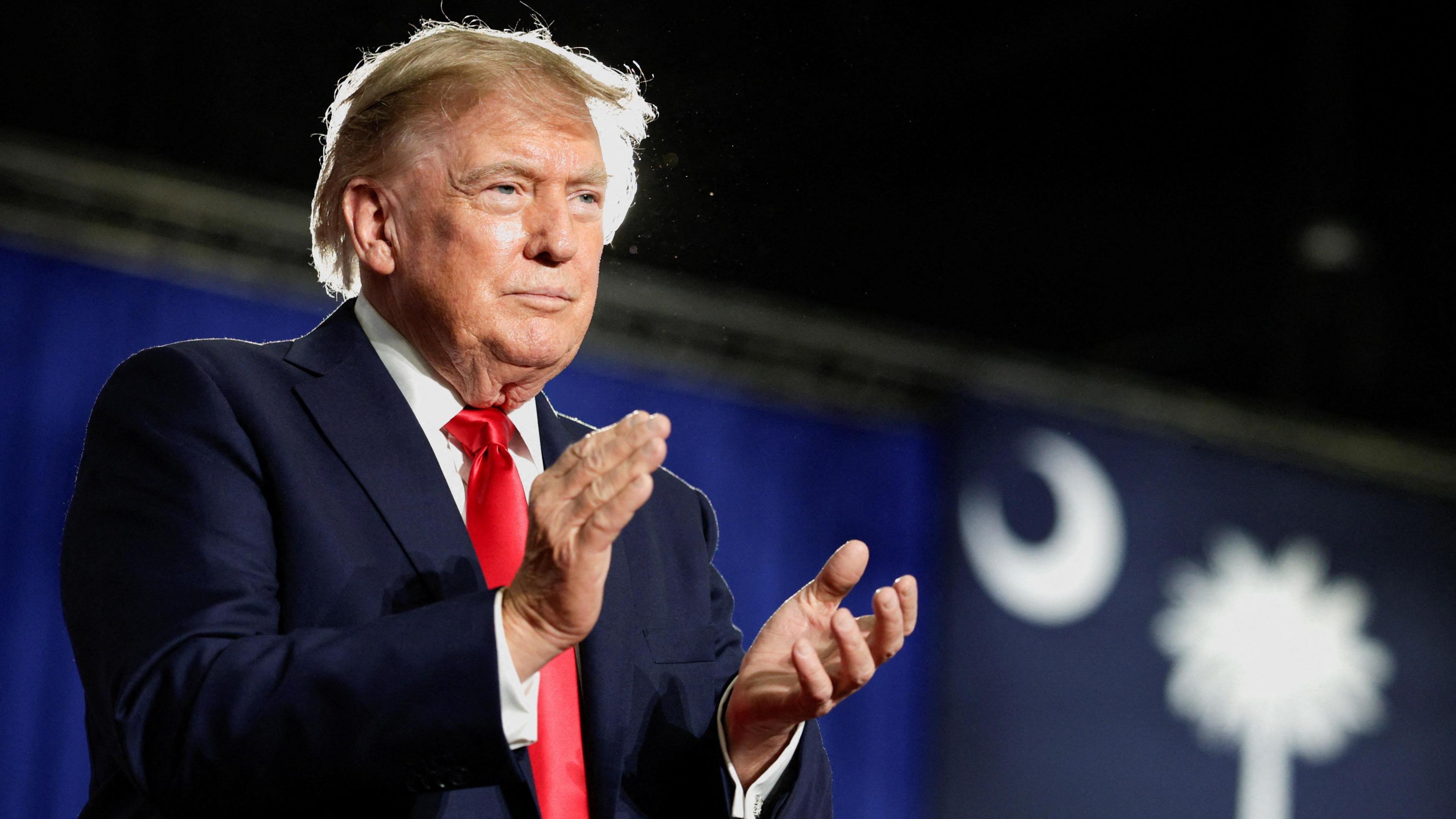
President Donald Trump, who has repeatedly raised the prospect of annexing Canada as a 51st state, used the moment to declare that Canada seeks the benefits of statehood without the responsibilities. The comment was dropped during a televised address on Saturday.
Prime Minister Mark Carney answered back, calling the U.S. move a miscalculation aimed at hurting and dividing the economy. Carney pledged that Canada would match all U.S. tariffs dollar for dollar, which would see cross‑border steel, dairy, appliances and electronics hit by new duties.
Provincial leaders, the opposition and key stakeholders reacted uniformly, noting the potential for increased shipping emissions and supply‑chain brittleness. South‑east Canadian politics warned that rising duties could push industries toward non‑green alternatives.
Both sides are now engaged in a trade war that endangers not only trade volumes but also the growing network of low‑carbon supply chains that hinge on stable cross‑border relations. If the tariffs persist, more goods will move at higher distances, contributing to greater carbon footprints and undermining ongoing climate‑friendly efforts.