SACRAMENTO, Calif. — In the wake of a government shutdown, food assistance for millions of Americans is in limbo, leaving college students scrambling for resources. At California State University, Sacramento, students are increasingly relying on the school’s Basic Needs Resource Center, a food pantry that offers essential items from fresh produce to toiletries.
It’s a big blessing, stated Antonette Duff, a psychology major and SNAP recipient. With more than 3,600 students at Sac State benefiting from SNAP, the financial strain is palpable as tuition and living costs rise.
According to the U.S. Government Accountability Office, approximately 1.1 million college students nationwide rely on SNAP benefits. Many face a difficult balance between academics and low-paying jobs, hampering their ability to afford necessary groceries.
The recent government shutdown asserts an additional struggle, as SNAP benefits for 42 million recipients were disrupted. A federal judge's order to fully fund SNAP was halted by the U.S. Supreme Court, leaving students skeptical about their next meals and overall college experience.
It just puts students in a really horrible position, said Mike Hannigan, an advocate from Greenfield Community College. Students find themselves making tough decisions about whether to prioritize classes or shifts at work just to afford essentials.
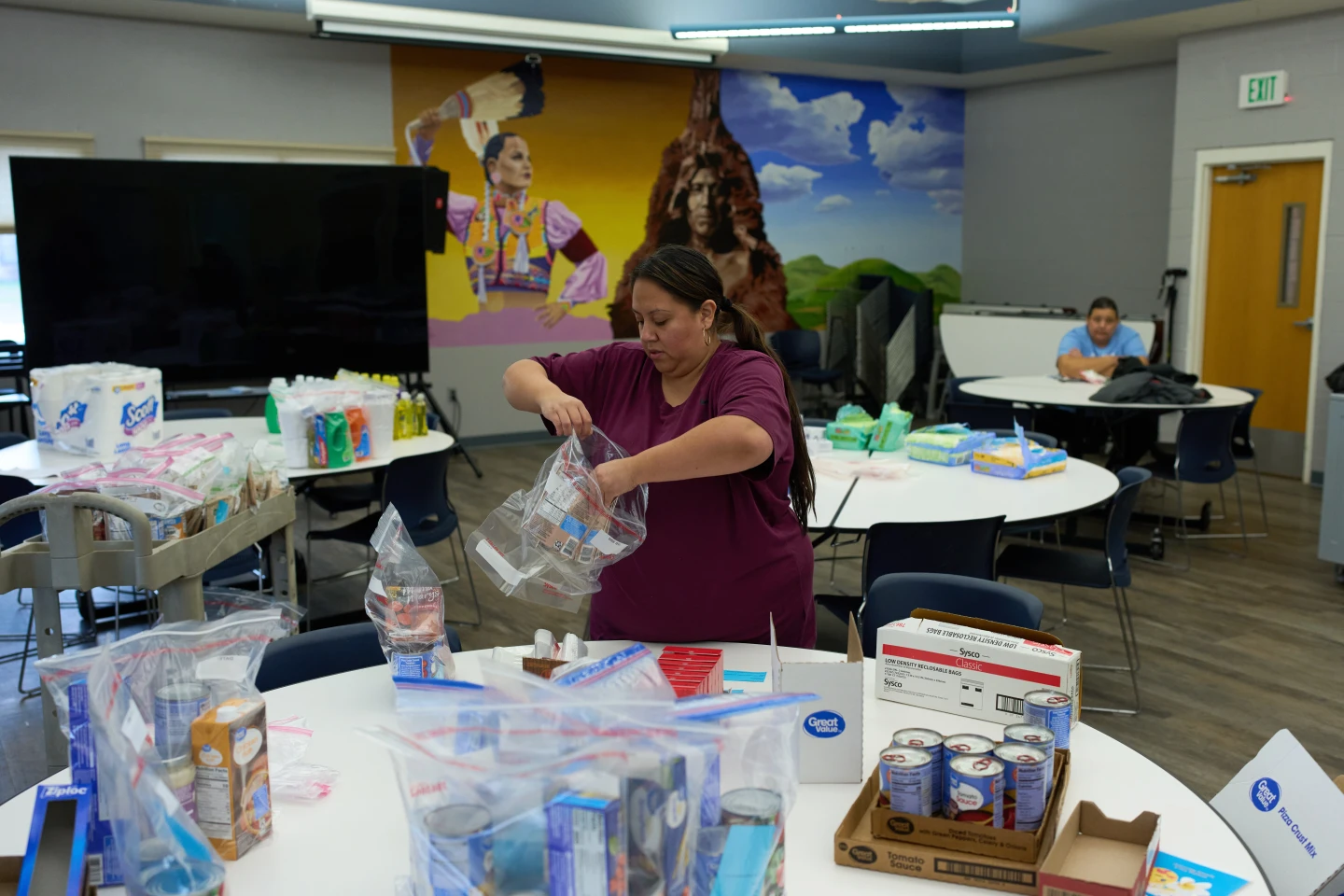
Many colleges are responding, initiating community food programs like farmers markets and food drives to address hunger on campus. For instance, Nueta Hidatsa Sahnish College in North Dakota provides meal kits while Sac State hosts grocery pop-ups monthly to ensure students have access to fresh food.
Despite these efforts, the ripple effects of political stalemate can be devastating, leading to heightened anxiety about academic results and future enrollment. As administrators and advocates stress, addressing food insecurity is essential for ensuring student success and well-being.