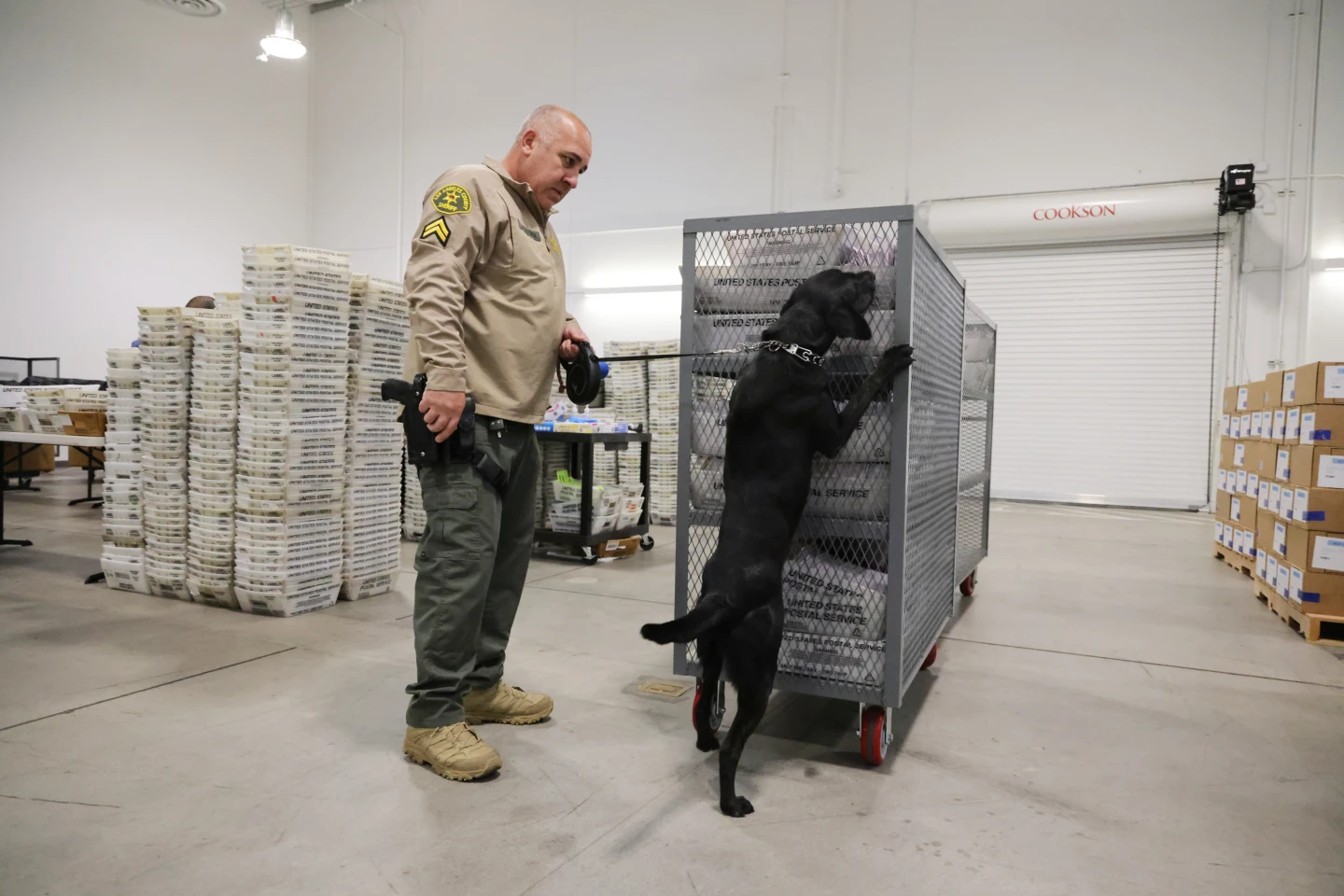
MINNEAPOLIS (AP) — The Cybersecurity and Infrastructure Security Agency (CISA), established to protect the nation's critical infrastructure including elections, is currently facing significant challenges. Since its founding in 2018, the agency has provided essential support in alerting state officials about threats, guiding protection efforts, and conducting simulations for potential crises such as bomb threats on Election Day.
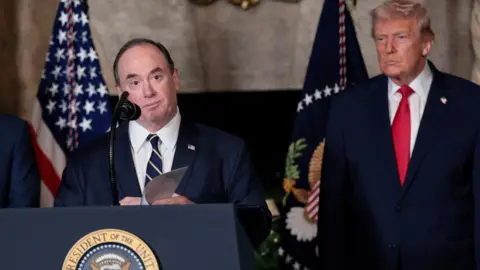
However, as elections were conducted in several states recently, CISA's presence and effectiveness appeared diminished. Changes in the priorities of the Trump administration, along with budget cuts and staffing reductions, have left many officials questioning how much they can depend on CISA in the lead-up to the 2026 midterm elections, where control of Congress is in play.
We do not have a sense of whether we can rely on CISA for these services as we approach a big election year in 2026, expressed Minnesota Secretary of State Steve Simon, a Democrat who recently led the bipartisan National Association of Secretaries of State.
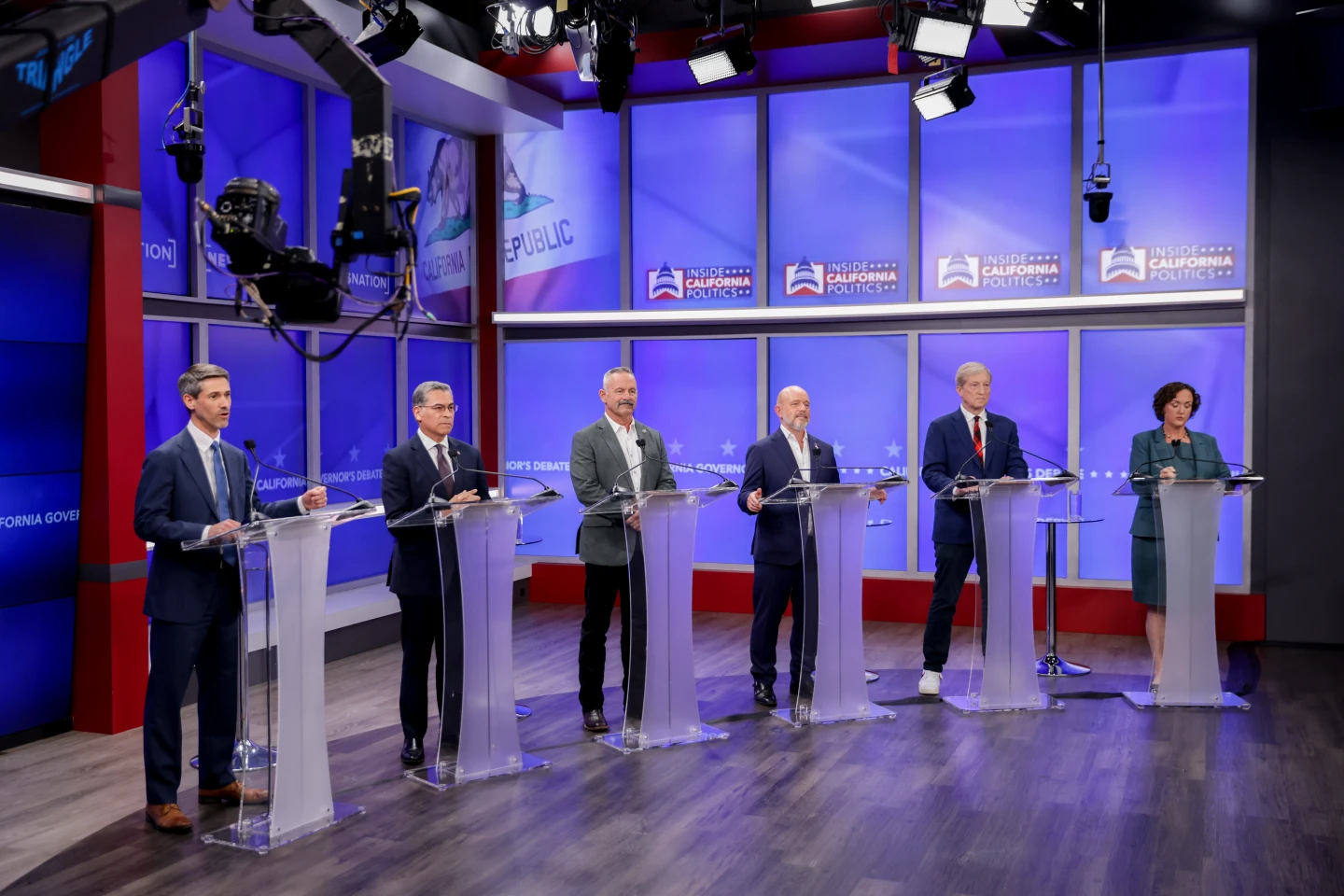
States like California reported last week that CISA's support has drastically declined, indicating the agency has played a critical role in past elections but offered little assistance for the state's November 4 special election that approved a redrawn congressional map.
The Association of State Election Officials has sent multiple requests to Secretary of Homeland Security Kristi Noem, seeking assurances regarding the preservation of CISA's election functions, yet has received no response. Simon noted, the letter remains very timely and relevant.\
CISA was initially created to safeguard the nation’s election systems amidst rising threats from foreign interference, yet recent developments signal a significant transition within the agency. Amid a record of job losses and a budget cut of $10 million from key cybersecurity initiatives, officials are left without crucial federal support.
CISA continues to maintain that it is prepared to assist in ensuring election security, but many state officials have indicated they are increasingly opting to rely on local partnerships and resources. This shift suggests that the traditional federal partnership, crucial for safeguarding electoral integrity, may no longer be as reliable.
As the 2026 elections approach, states may find themselves navigating these challenges without the robust support from CISA they have depended on in the past, thus prompting a search for alternative solutions to protect themselves from potential vulnerabilities.