In brief
In the lead-up to the midterm elections, social media personalities like Elon Musk have falsely suggested that voter ID laws in states like New York and California are overly restrictive. This article examines Musk's claims, clarifying the actual requirements for voter identification and discussing the implications of misinformation in the electoral process.
As the lead-up to the 2026 midterm elections begins, influential figures, including Elon Musk, have circulated incorrect information advocating for stricter voter ID laws across the U.S. Musk recently claimed via social media that regulations in democratic countries are more stringent than those in the U.S., particularly highlighting New York and California.
“America should not have worse voter ID requirements than every democratic country on Earth,” Musk asserted. He also stated, “California and New York actually banned use of ID to vote!” These allegations have garnered substantial attention, with thousands of shares and reactions across social platforms.
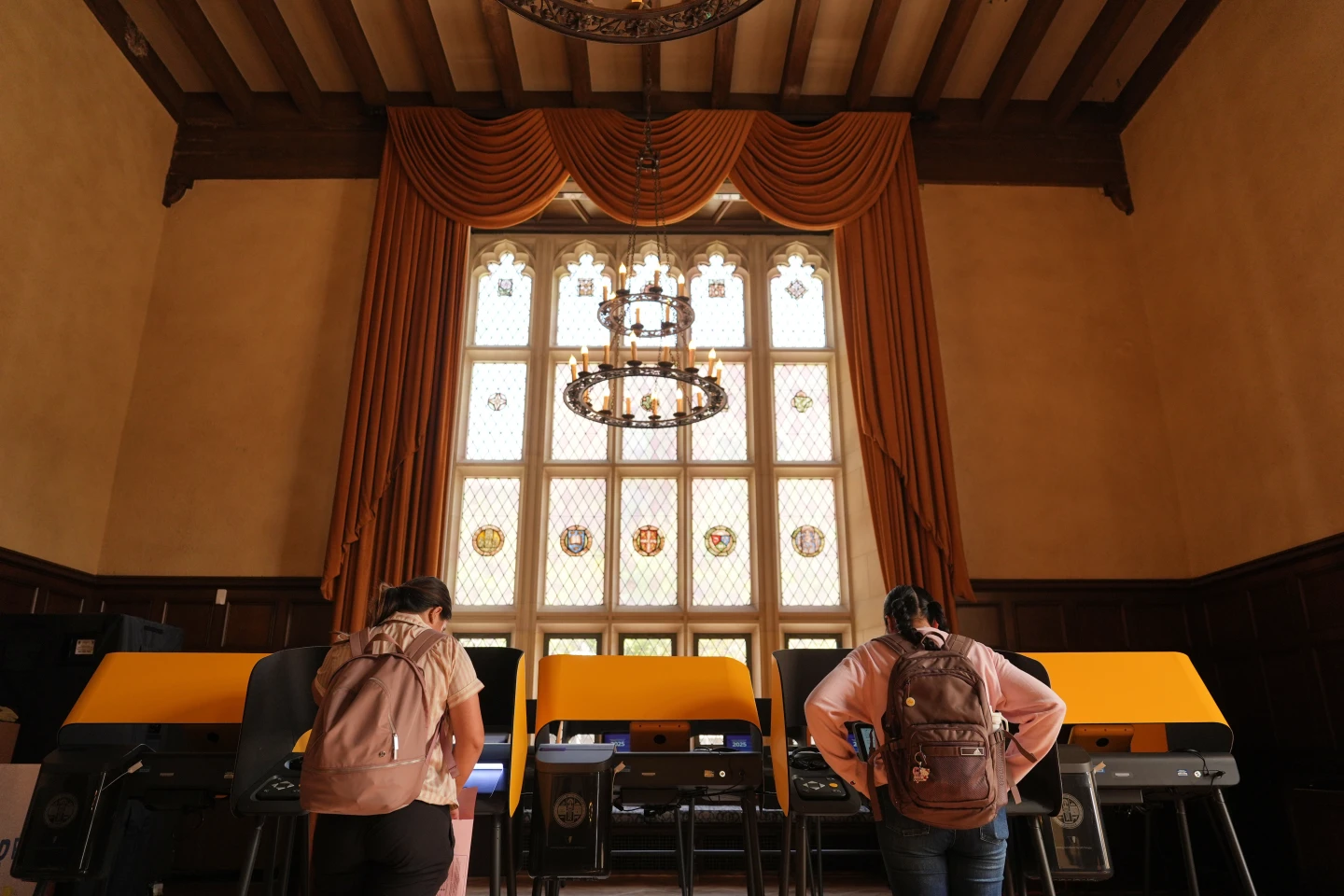
However, the reality is quite different. Officials from both states clarify that while presenting ID during voter registration can be necessary, it is not a blanket requirement for casting a ballot. In fact, guidance for poll workers in both states clearly states that identification should only be requested when required by specific records.
“There is nothing unlawful about a voter presenting identification,” explained Kathleen McGrath from the New York State Board of Elections, emphasizing that voters can use ID to assist with identifying themselves but cannot be required to show it indiscriminately.
Similarly, California’s Secretary of State reiterated that presenting ID is not banned and can be done voluntarily. Poll workers are trained to request identification only when indicated in voter records.
Furthermore, many democratic nations operate under various ID laws. For instance, both New Zealand and Australia allow voters to register and vote without requiring identification in all instances, making Musk's claims even more misleading.
This misinformation around voter ID laws raises pivotal questions about the integrity of electoral processes and the effects of misrepresentation on public perceptions during critical election cycles. The importance of factual information cannot be overstated as the nation gears up for potentially contentious midterm elections.