In brief
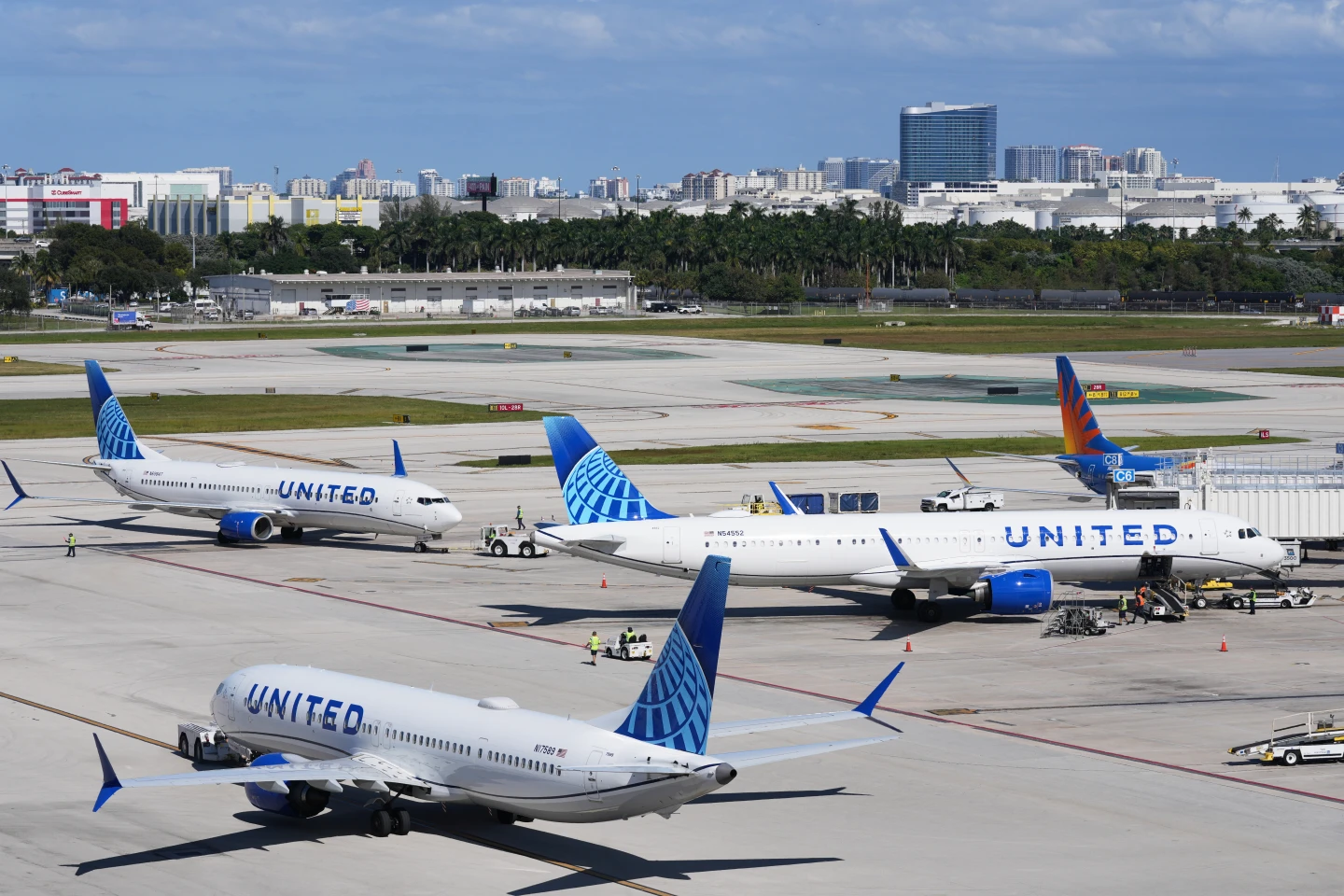
The Federal Aviation Administration (FAA) has announced $10,000 bonuses for 776 air traffic controllers who maintained perfect attendance during the recent 43-day government shutdown. This decision comes despite nearly 20,000 other employees, including crucial technicians, being left unrecognized for their efforts. Unions and lawmakers have raised concerns about the unfairness of this exclusion and the broader staffing challenges faced by the FAA, which were exacerbated by the shutdown.
In a recent announcement, the Federal Aviation Administration (FAA) revealed that only 776 air traffic controllers and technicians who had perfect attendance during the government shutdown would be rewarded with $10,000 bonuses. This decision has sparked significant controversy, as nearly 20,000 other workers, including air traffic controllers who worked under strenuous conditions without pay, have been excluded from this financial recognition.
The shutdown, which lasted for 43 days, put immense pressure on air traffic controllers, many of whom struggled to meet the demands of their jobs while facing financial hardships. Some controllers sought secondary employment to support their families, while others could not afford the necessary childcare or fuel to commute to work, leading to absenteeism that caused flight delays across the country.
During this challenging period, the FAA maintained that the dedication of the few who consistently reported for duty merited recognition. Transportation Secretary Sean Duffy stated, These patriotic men and women never missed a beat and kept the flying public safe throughout the shutdown. However, critics argue that the bonus should be distributed more equitably, ensuring that all essential workers are recognized for their contributions during the crisis.
The National Air Traffic Controllers Association (NATCA) expressed disappointment, noting that only a small fraction of its members will receive recognition. The union emphasized that thousands of controllers worked hard to ensure the safety of air travel, despite the uncertainty regarding their pay. Democratic Rep. Rick Larsen, among others, echoed similar sentiments, questioning the omission of so many dedicated workers from the bonus list.
The impact of staffing shortages was evident during the shutdown, as the FAA had already been struggling to meet the demands placed on its air traffic control network. With increasing anxiety among air travel professionals, the government encouraged airlines to reduce flights at busy airports, starkly highlighting the challenges stemming from insufficient staffing levels.
As the shutdown ended, there was a notable improvement in staffing levels. Controller duties resumed, and operations at airlines returned to a state of normalcy. Nevertheless, the discussions regarding fair treatment and recognition of all FAA employees persist, with ongoing calls for fair compensation and acknowledgment of their hard work during a historically challenging time.