Spanning Madrid to Bordeaux: Europe’s wildfire season reaches high‑speed territory as fires in Spain and France erupt under extreme heat, drought and wind, pushing emergency services beyond their usual capacity.
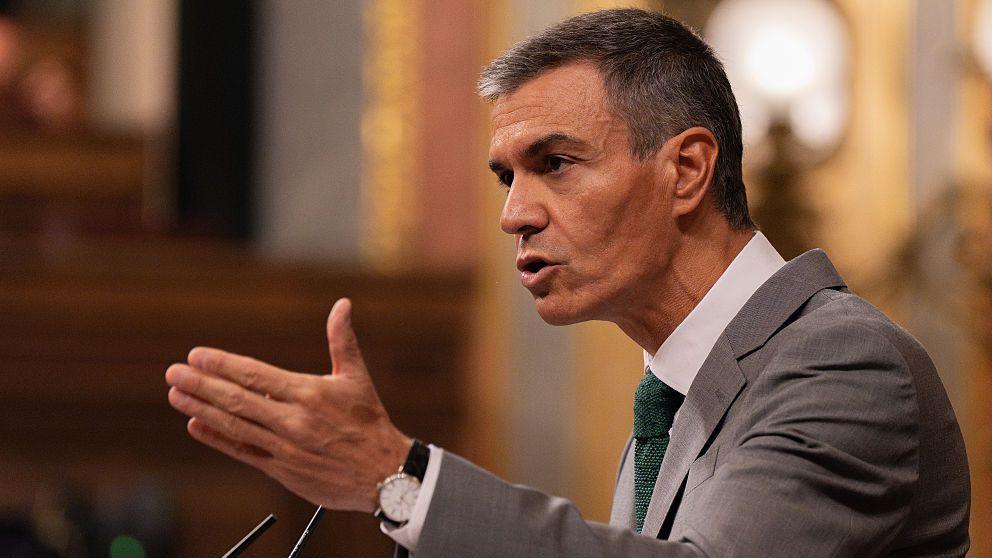
A conflagration west of Madrid has grown into a single, uncontrollable blaze that has forced the evacuation of more than 30,000 people and placed 20,000 residents under lockdown. Spanish Regional President Isabel Díaz Ayuso condemned it as the "worst fire in the history of the region," citing a perfect storm of soaring temperatures, relentless winds, and merging fronts. The fire has already burned more than 6,000 hectares, while a separate blaze in the Ávila province has consumed nearly 9,000 hectares and threatens to merge with the Madrid fire, prompting call‑outs to fire brigades and the military’s aerial units.
In France, the wildfire that tore through the Gironde and Landes has scorched an astonishing 19,000 hectares and destroyed 80 homes, exposing the tourist‑rich Cap Ferret peninsula to the brink of complete devastation. Over 110,000 residents—including holidaymakers, local fishermen and nursing‑home staff—were evacuated as the blaze raced along the Atlantic coast toward Bordeaux. President Emmanuel Macron activated the EU’s civil‑protection network, securing reinforcements such as Black Hawk helicopters from the Czech Republic and Slovakia.
Both incidents manifest the cumulative effects of Europe’s rapidly warming climate: hotter, drier conditions create tinder‑dry vegetation, while surging winds can spread fires faster than crews can respond. According to the EU’s Copernicus Climate Change Service, southern Europe has warmed twice as fast as the global average since the 1980s, and the European Forest Fire Information System reports this year’s burned area is already a year’s worth in the 2000‑2020 decade. The European Environment Agency warns that climate change is amplifying fire risk especially in the Mediterranean and Atlantic fringes of the continent.
As fronts chain‑astonishingly together, the movement of the Madrid wildfire toward surrounding towns, including Robelo de Chavela and Fresnedillas de la Olivia, has left communities on high alert. The Madrid region’s emergency chief, Carlos Novillo, described the fire as “beyond the capacity of firefighters to contain,” and the Military Emergency Unit (UME) led a defensive campaign to protect the town of El Escorial. Across the border, French authorities warned that the Gironde’s flame “may become self‑sustaining” as temperatures climb to 36‑37 °C and winds gust up to 50 km/h.
Officials across both countries emphasize the urgent need for improved fire‑management infrastructure and stronger community preparedness plans. While the monthly fire‑fighting teams fight the flames on the ground, the European Union’s rapid deployment of air support—helicopters, drones, and later to the southern peninsula—highlights the need for a coordinated trans‑national response to a problem that knows no borders.