In brief
Since June 19, France has recorded 301 drownings – a 14% increase over 2025 – amid unprecedented heatwaves that spurred wildfires and flooded rivers. Sports and Youth Minister Marina Ferrari blamed the spike on people’s risky attempts to cool off in un‑supervised waters, noting many fatalities occurred in open water or private pools. Authorities are working with regional governments to improve swimming areas and implement stricter safety protocols, especially for vulnerable elderly populations. The crisis highlights how climate‑driven temperatures double the Mediterranean world’s warming pace, demanding urgent public‑health responses.
France links sharp rise in drownings to heatwaves
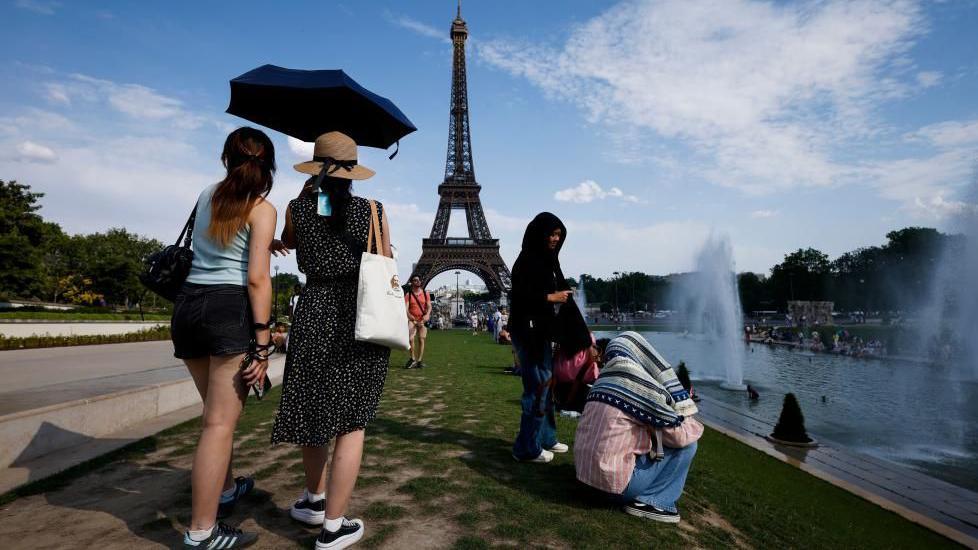
Since 19 June, 301 people have drowned in France – a 14% rise compared with the same period last year – and the government is linking the spike to ongoing heatwaves that have produced wildfires and hot rivers. Sports and Youth Minister Marina Ferrari described the deaths as a “tragic toll” and warned, on France Inter radio, that many people were taking dangerous risks in water during record heat.
Ferrari highlighted that several drownings occurred in open water, such as canals and private pools, and that “individual pools” were especially dangerous for the elderly. Sudden immersion into cold water on a scorching day can trigger shock and overwhelm even fit individuals.
The minister said the government is collaborating with regional authorities to improve swimming areas and make water sites safer. In an earlier statement, she warned that the hot summer had forced many to cool off in rivers and canals “without necessarily taking the risks into account.”
The surge in drownings is part of a broader trend of heat‑related hazards across Europe: the continent is currently warming twice as fast as the global average, according to the Copernicus climate service. Read more on Europe’s climate state.
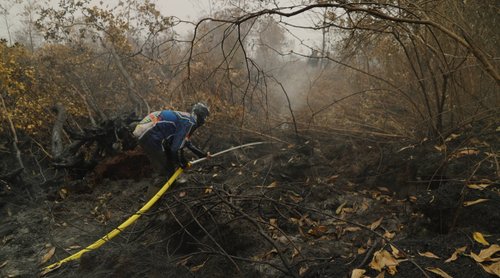
The June heatwave also forced a temporary shutdown of the Golfech nuclear power plant in southwest France when the River Garonne’s temperature exceeded 28 °C – the upper limit for cooling reactors. French laws would not allow the plant to continue operating above that temperature. The same heatwave led to tight early closures at iconic sites like the Eiffel Tower, and the dry conditions helped wildfires ravage areas such as Gironde, near Bordeaux, displacing over 200,000 residents as of late July.
Public health authorities have recorded 7,300 excess deaths between late May and 22 July, underscoring the toll that high temperatures are taking on the population.