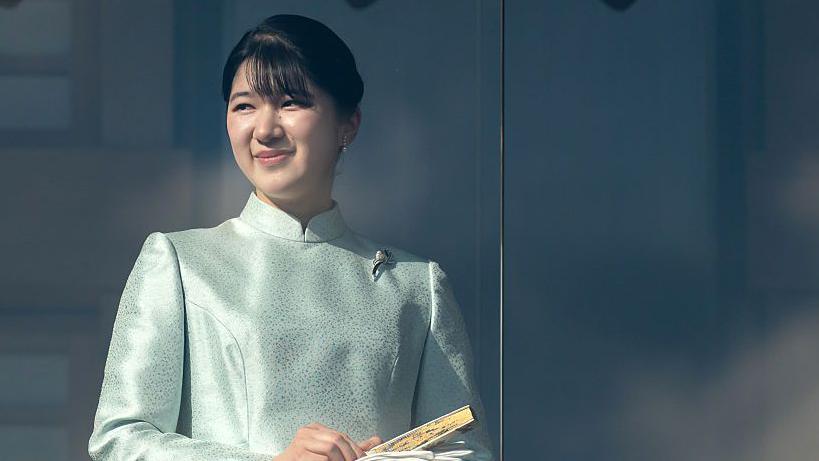
Japan relaxes imperial succession rules – but ban on female emperors remains
Japan’s parliament has opened a new chapter for its centuries‑old monarchy by reforming succession laws that had long constrained the line of succession to male heirs. The upper house passed a bill that would allow the imperial family to adopt distant male relatives over the age of 15, and will let women keep their royal status after marrying outside the family, broadening the pool of eligible princes.
However, the law still bars women from becoming emperor, including the emperor’s only daughter, Princess Aiko, who remains ineligible to succeed the throne. The reforms could avert a crisis of succession, given that the line currently runs from the emperor’s brother Fumihito to his son Prince Hisahito and could end if no male heir is produced.
The change is the first amendment to the 1949 Imperial House Law and signals a move towards more inclusive governance, though public polls still favor a female monarch. Prime Minister Sanae Takaichi and other conservative leaders emphasise the importance of male‑only succession for imperial legitimacy, while surveys show that 70‑80% of respondents support a female emperor.
Impact: This legal shift may preserve the imperial line but leaves gender parity debates unresolved, reflecting broader discussions on tradition versus modernity in Japan’s governance and cultural identity.