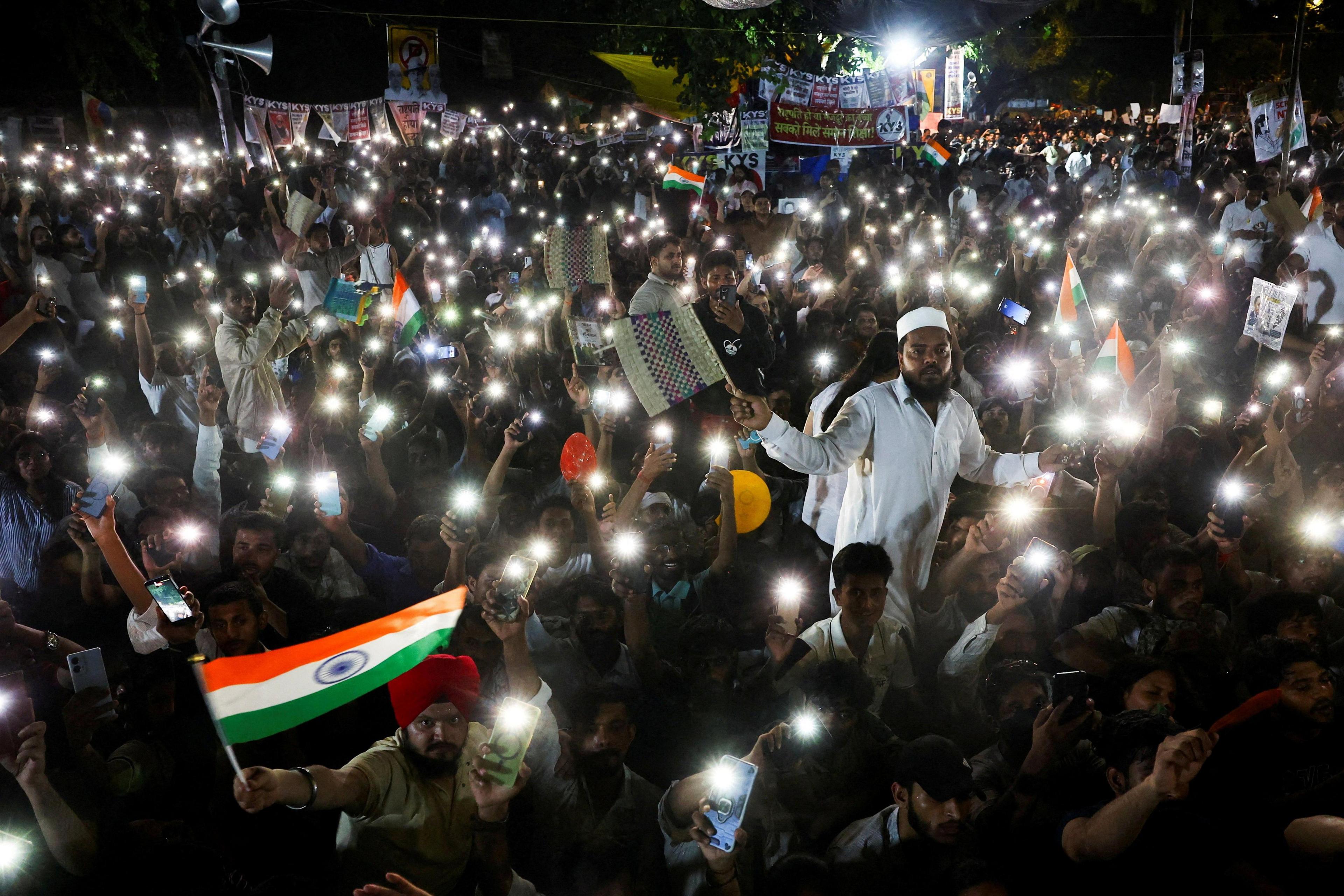
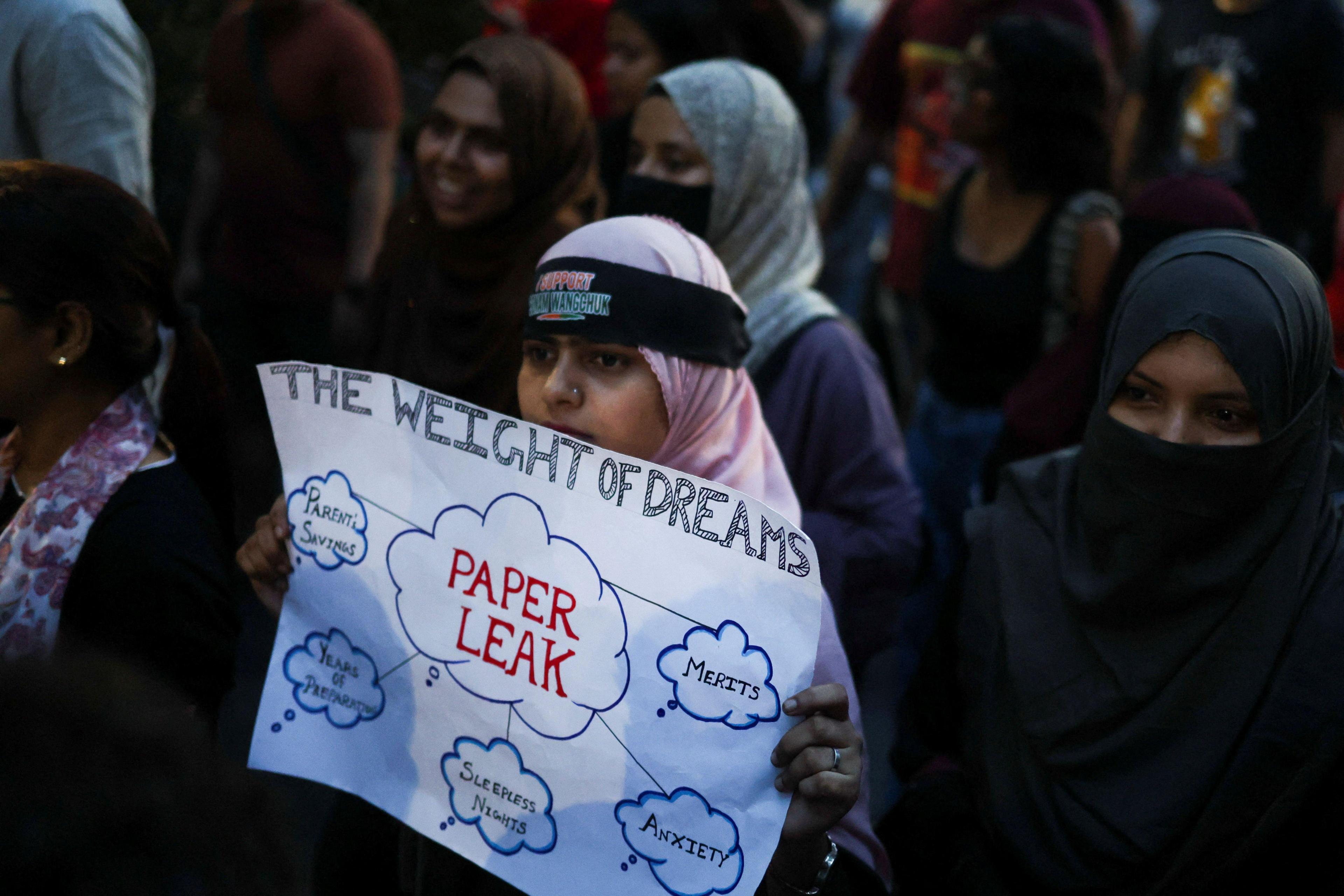
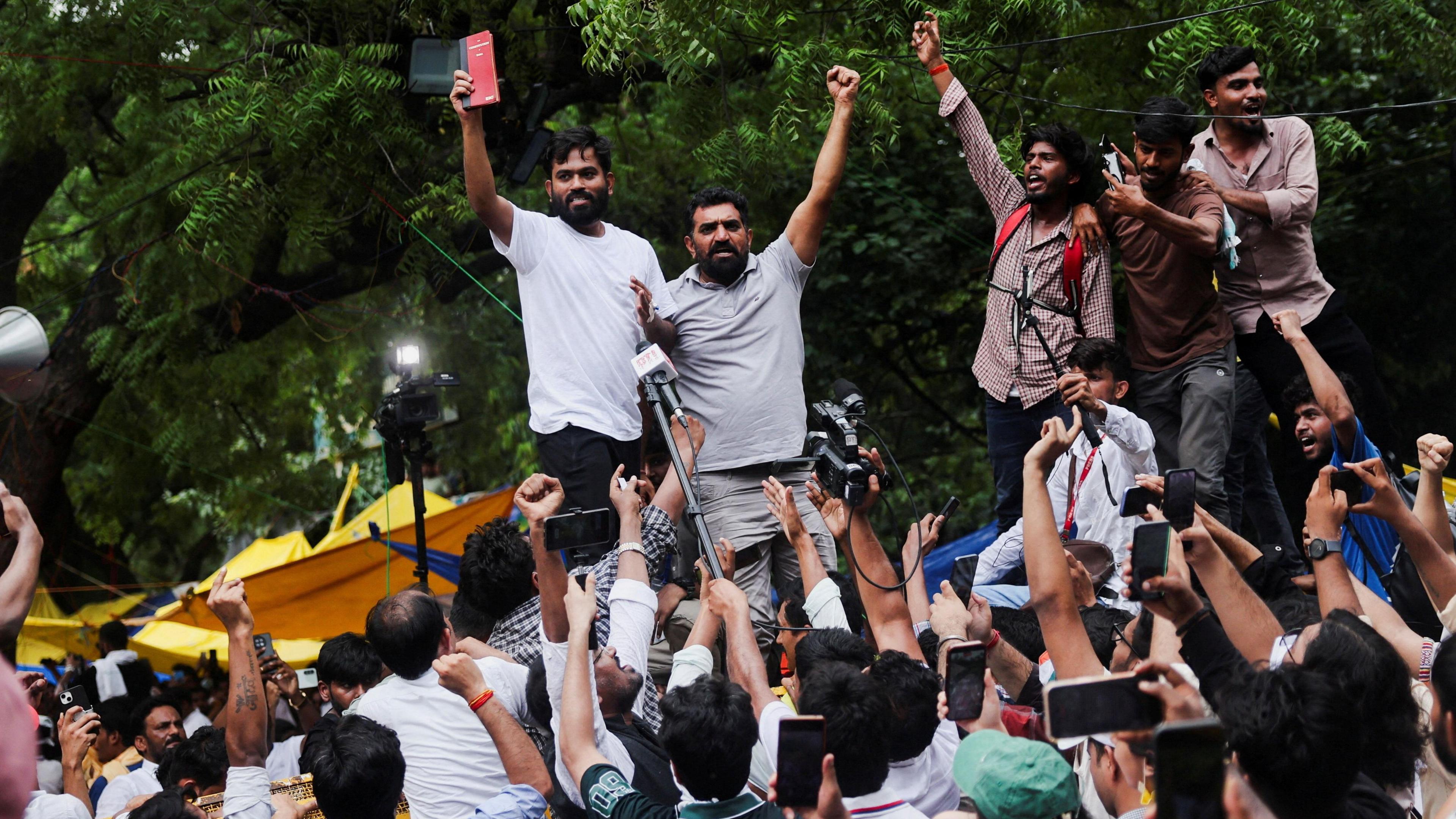
Tens of thousands of students, parents, teachers and professionals gathered at Delhi’s historic Jantar Mantar, demanding the resignation of Education Minister Dharmendra Pradhan after allegations of exam paper leaks on the NEET test. Despite an explicit police ban, the crowd defied orders and marched toward Parliament.
Police deployed canes and tear gas to disperse the protest. Several demonstrators reported injuries from baton charges, and a volunteer doctor treated at least ten wounded people. In the aftermath, the Health Minister and the Prime Minister’s cabinet urged protesters to end their demonstration or face further restrictions.
The march was rooted in a broader youth movement – the Cockroach Janta Party (CJP) – that emerged after the Chief Justice’s comments comparing idle young people to “cockroaches.” The group has since championed not only exam integrity, but also systemic issues such as job opportunities, transparency, and accountability.
This protest illustrates a critical intersection between education, governance, and sustainable development. A robust science curriculum that embeds climate literacy is essential for preparing future citizens to address environmental challenges. The CJP’s push for institutional integrity reflects a demand for an education system that empowers critical thinking and a sustainable outlook.
While the immediate goal remains the resignation of the Education Minister, the larger conversation is about how educational reforms can catalyze democratic participation and foster an environmental‑aware generation. Stakeholders must therefore reconcile the need for exam integrity with systemic reforms that embed climate resilience, equity, and sustainability in curricula.