Zimbabwe Parliament Extends President's Term to 2030
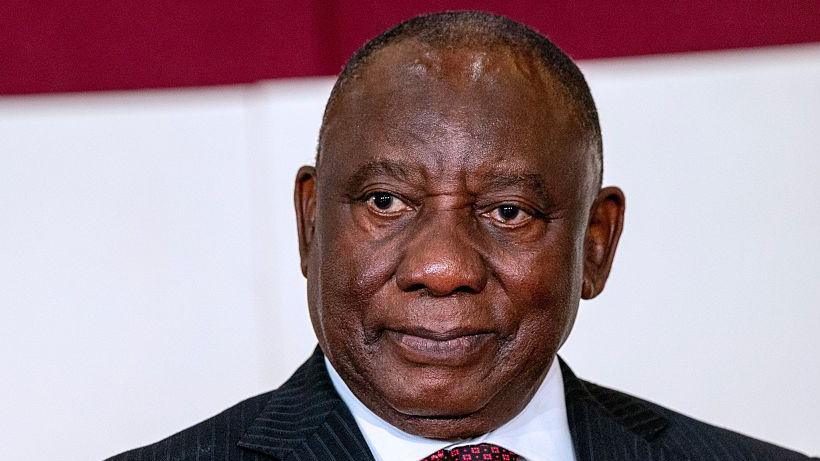
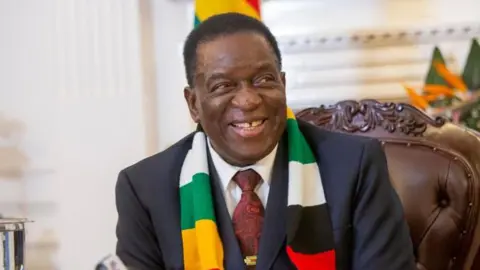
Zimbabwe’s lower house of parliament has passed a constitutional amendment that extends presidential terms from five to seven years, allowing President Emmerson Mnangagwa to remain in office until 2030.
Over 200 lawmakers approved the bill in a session that surpassed the two‑thirds majority required for constitutional changes, while 42 legislators opposed it.
The amendment also eliminates direct presidential elections, giving parliament the power to elect future presidents.
Critics argue that such sweeping changes should be subject to a national referendum, citing concerns over democratic accountability and potential impacts on long‑term policy, including environmental and climate initiatives.
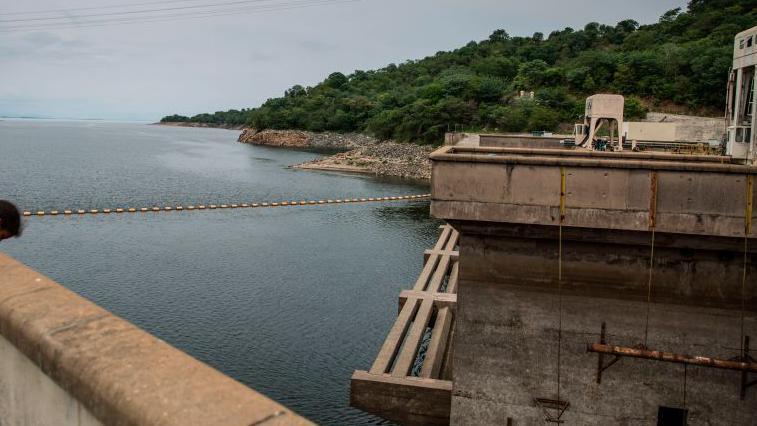
Environmental groups warn that a prolonged presidency could hinder progress on Zimbabwe's forestry and water‑management projects, especially as the country faces drought, land‑use conflict, and the need to mitigate greenhouse‑gas emissions.
Supporters say the reform is necessary for continuity and stability, especially given the country’s economic challenges and the uncertainty around long‑term climate resilience.
The bill now heads to the Senate for further approval before being enacted by the president.