Heavy security clamps down as South Africa’s anti‑migrant protests surge
The country’s police forces have been deployed in record numbers across major cities, with Johannesburg and Durban seeing some of the most visible police presence. The mobilisation comes amid widespread anti‑immigration marches that threaten to turn violent if not managed carefully.

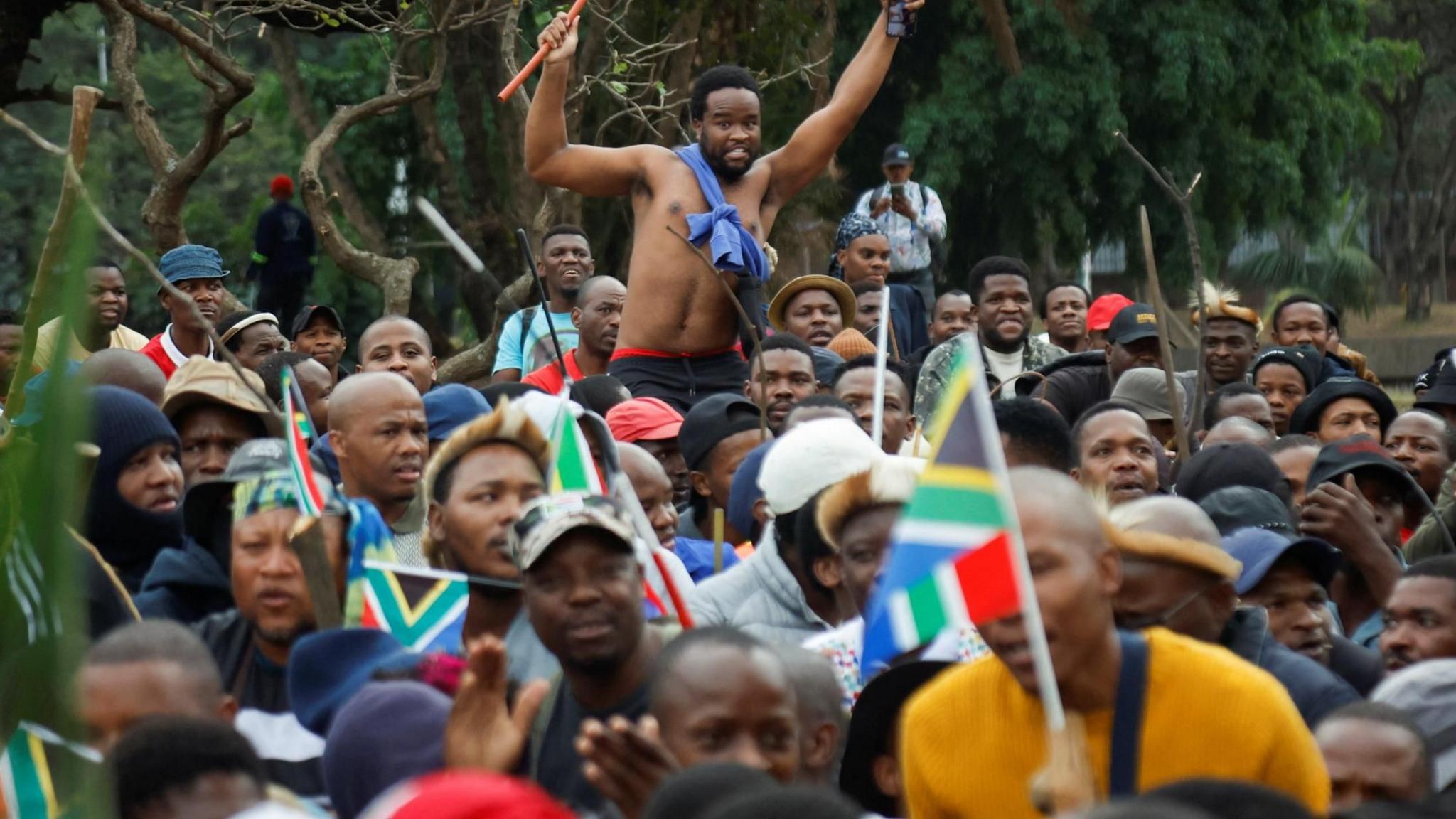
Co‑ordinated protests are taking place across the country and there is heavy security presence in most cities.
The protests are driven by a campaigners’ deadline demanding that all undocumented foreigners vacate the country. While 25,000 have already been repatriated, many more remain awaiting processing at temporary camps, often amid fear of violence.
Climate‑induced migration has added a new layer to the crisis. Unseasonal weather, severe droughts and rising sea levels in many African countries have pushed thousands to seek work in South Africa, where the land has the best job opportunities and the most stable political climate.
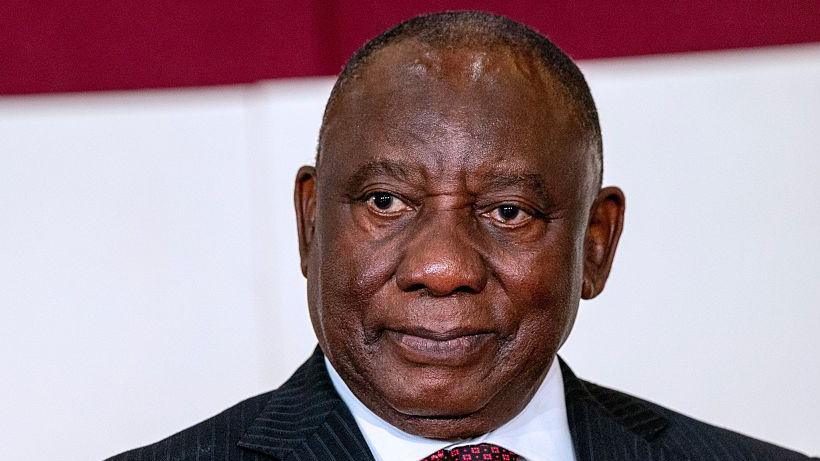
President Cyril Ramaphosa warned against “intimidation, threats or ultimatums” and urged demonstrators to stay peaceful. He also acknowledged a need for immigration reform and reminded the public that legal foreign nationals are entitled to the same protections as South Africans.
Police information indicates that since January, about 50,000 undocumented migrants have been arrested, and over 12,000 have been deported or repatriated. Among them are citizens from Malawi, Mozambique, Nigeria and Zimbabwe who have been sent home by air or bus.
In towns such as Soweto, police arrests have followed reports of vandalism and looting. Yet the authorities have permitted protesters to carry traditional weapons, sparking debate over the balance between maintaining order and respecting cultural expressions.
Activists argue that the protests create more conflict than progress, noting that xenophobic violence is an entrenched issue. However, humanitarian groups stress that better protection for undocumented migrants is essential to reduce pressures on South Africa’s fragile social systems.
As temperatures climb and environmental pressures mount, the migration debate will increasingly require a joint climate‑migration solution that protects vulnerable workers while ensuring social cohesion.