In brief
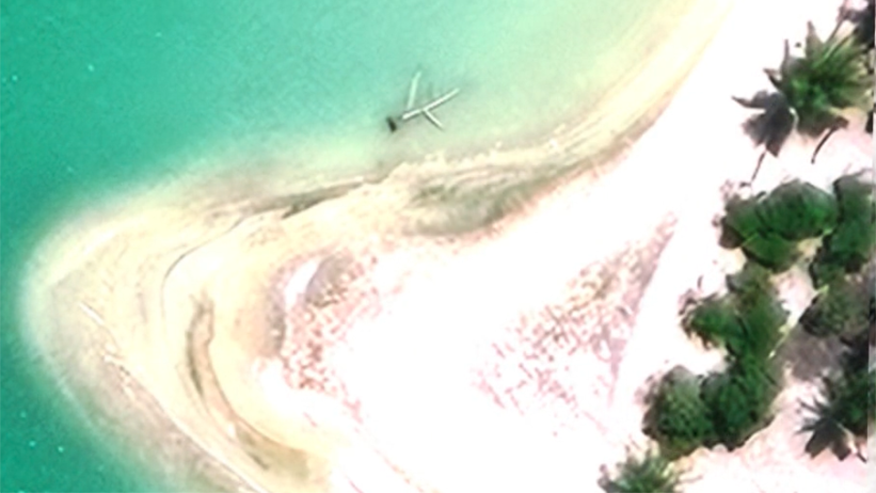
A team from Purdue University surveyed the Taraia Peninsula on Nikumaroro to confirm whether the shining object seen on 2020 satellite images could be the long‑missing aircraft of Amelia Earhart. The on‑ground study found that the object is most likely a mass of large trees deposited along the sandspit, not metal wreckage. Researchers noted that the debris had largely fragmented by the time of their visit, leaving only a singular Y‑shaped piece. The search, which involved a five‑day sea journey and several days of rough weather, underscores the challenges of locating relics on remote Pacific islands. While the mystery of Earhart’s disappearance remains unsolved, this new evidence narrows the focus for future investigations.
A Purdue University team that travelled to the remote lagoon of Nikumaroro, Kiribati, to investigate the so‑called Taraia Object announced that the gleaming debris that first appeared on satellite imagery in 2020 is most likely a mass of large trees rather than the wreckage of Amelia Earhart’s 1937 Lockheed Electra.
The investigation was conducted after images dated back to 1938 showed a metallic‑looking feature in the lagoon, sparking speculation that the missing aircraft had crashed there. The researchers conducted a ground survey, finding the debris largely fragmented and washed away by now, leaving only a single Y‑shaped segment on the shore.
“While the mystery remains, the new evidence narrows the focus for future search efforts,” said project director Rick Pettigrew, reflecting on the five days at sea and several days of rough seas that delayed the team's arrival.
Earhart’s disappearance in 1937 on the final leg of her circumnavigational flight has long been a focus of maritime archaeology, prompting numerous search expeditions. The shipwreck site, located 400 miles from Howland Island where Earhart was last believed to attempt to radio for assistance, continues to challenge researchers with its isolated geography and dynamic marine environment.
Although the dragged‑tree hypothesis moots the “plane” explanation, the site remains a poignant reminder of the enduring fascination with Earhart’s fate and the broader lessons about navigation, technology, and the fragility of life over the oceans.