A violent nor’easter that battered the northeastern United States this week has delivered an unexpected gift to the residents of Nantucket – fragments of a 19th‑century barque washed clear to sea‑level beach sand. Locally reported, the wreck, believed to be the historic sailing vessel Warren Sawyer that ran aground in 1884, offers a concrete glimpse of maritime life while simultaneously spotlighting a growing climate‑risk for shorelines and cultural sites.
The wreckage, recovered on Sunday, is part of a continuing pattern of discoveries in the area: paleotempestological surveys had found pieces in 2022 and 2023, but the recent storm exposed a larger, more complete section of the wooden hull. The ship’s timbers and fittings are visibly weathered, telling a story of both maritime technology of its era and the relentless erosion that will soon overtake it, had the storm not pushed it onto the beach.
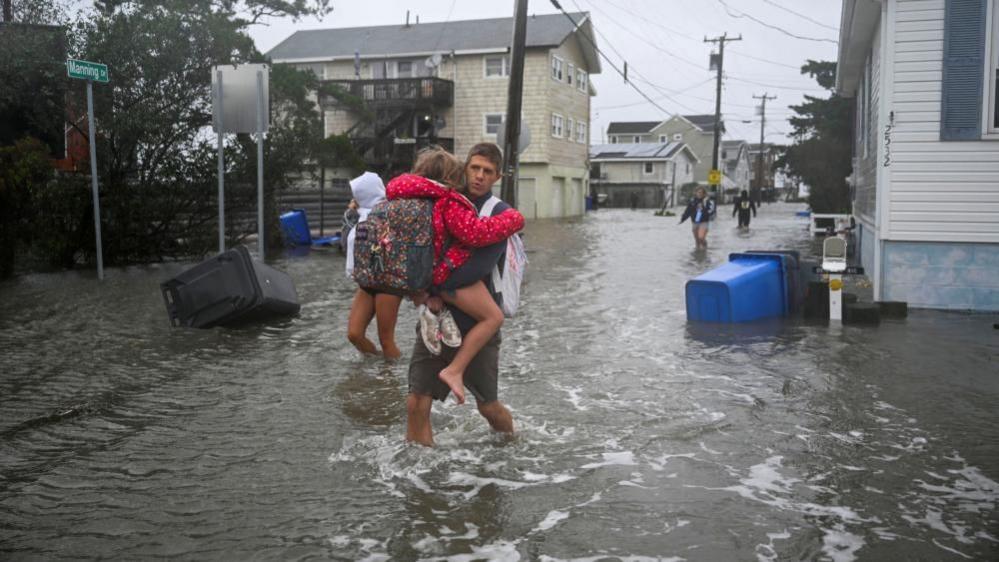
In the broader context, the intensification of winter storms is widely attributed to rising air and sea temperatures. As climate models project, the frequency and strength of nor’easters will climb, bringing heavier precipitation, higher storm surges, and prolonged flooding. Coastal communities like Nantucket are already experiencing the consequences: over 160,000 households in the region have reported power outages from recent high‑wave periods, and long‑term investment in seawall and dune restoration has become critical.
The discovery of the Warren Sawyer’s remains is a stark reminder that historic coastal assets are also climate‑vulnerable. Preservationists are now calling for combined archaeological and environmental monitoring: cataloging wreck sites, installing tension‑line and sensor arrays to track shoreline motion, and applying adaptive restoration techniques to protect both heritage and living ecosystems.
For the scientific community, the wreck presents an unparalleled natural laboratory. By sampling wood, ballast, and the surrounding sea floor, researchers can reconstruct past storm activity, correlate with historical ship loss patterns, and refine predictive models for coastal change—skills that are invaluable as the planet grapples with climate‑driven disruption.
In light of these findings, we ask local authorities and citizen scientists to take a dual approach: ensure that the remains of the Warren Sawyer are protected and documented, while expanding real‑time coastal monitoring to anticipate future storm‑induced exposures. It is only by documenting the past and safeguarding the present that we can mitigate the climate‑fueled erosion threatening weathered shorelines and our cultural heritage alike.