In brief
Scientists have uncovered the world’s oldest recorded shipwreck off Turkey’s coast, dating 4,400–4,700 years ago. The 10‑metre vessel, preserved by the cold sea, was carrying ceramic amphorae whose contents still hold traces of ancient cargo. Analysis of pottery styles confirms the wreck’s Early Bronze Age origin and links it to trade networks that reached as far as Troy and Crete. The find not only rewrites maritime history but also underscores humanity’s long‑standing maritime ingenuity in an era of rapidly changing seas.
A colossal discovery—an ancient, 10‑metre wooden vessel lying 30 m below the turquoise waters of Kekova Island, Turkey—has rewritten the record for the world’s oldest known shipwreck. Archaeologists from Akdeniz University date the wreck to 4,400–4,700 years ago, placing it squarely in the Early Bronze Age, the same era that witnessed the construction of the Great Pyramid of Giza.
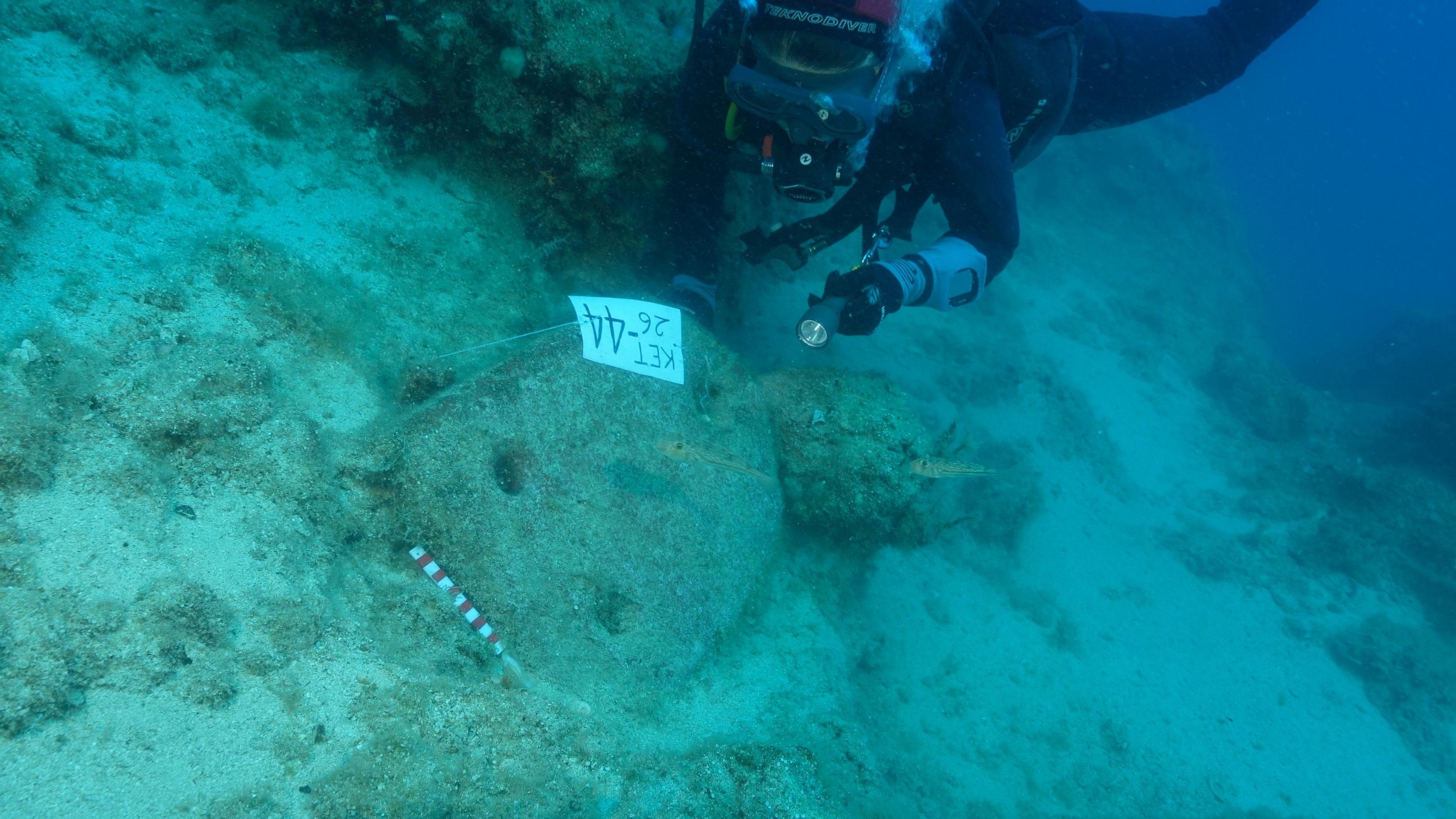
The ship’s wooden hull has long since succumbed to the brine, but an astonishing quantity of ceramic amphorae lay scattered across the seafloor. Radiocarbon dating was impossible without organic remains, so the team used the amphorae’s distinctive styles—two handles, a central ridge, and a flat base—to match them with Egyptian and Middle Eastern counterparts. Those styles are firmly dated to the same 4,400‑to‑4,700‑year window. The amphorae also retain a viscous, glossy residue, suggesting that the jars were filled with olive oil, wine, or perhaps tree resins even before the ship met its fate or after it was repurposed on land.
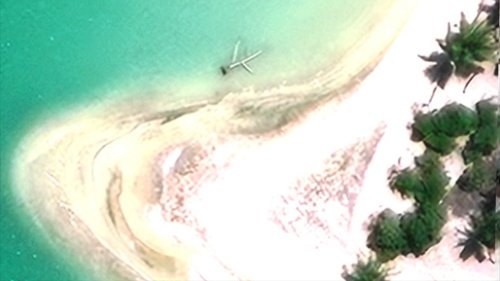
The wreck sits on a gentle slope south of Kekova, a region notorious for swift currents and powerful winds that have claimed many vessels over millennia. By mapping the site’s coordinates, researchers infer that the ship may have been en route to either the ancient city of Troy—in what is now north‑western Turkey— or the island of Crete, home of the Minoans. These routes, once threatened by whirlpools and storm, illustrate the bold maritime networks that crossed the Mediterranean thousands of years earlier.
“We are the first humans to touch objects that have lain beneath the sea for 5,000 years,” Professor Hakan Öniz reflected during dives. He emphasized that every dive invites a reminder of the sailors, potters, and women who belonged to this ancient global exchange system. The ship’s discovery now tops the list of oldest shipwrecks, surpassing the 4,200‑year‑old Dokos wreck in Greece.
The Turkish Ministry of Culture, which owns the wreck, plans to exhibit the recovered amphorae and ship artefacts in a new Mediterranean Underwater Archaeology Museum in Antalya once it opens. The find offers a tangible connection to early seafaring cultures and underscores that even 5,000 years ago, humans undertook complex trade journeys that shaped the world’s environmental and cultural landscape.