In brief
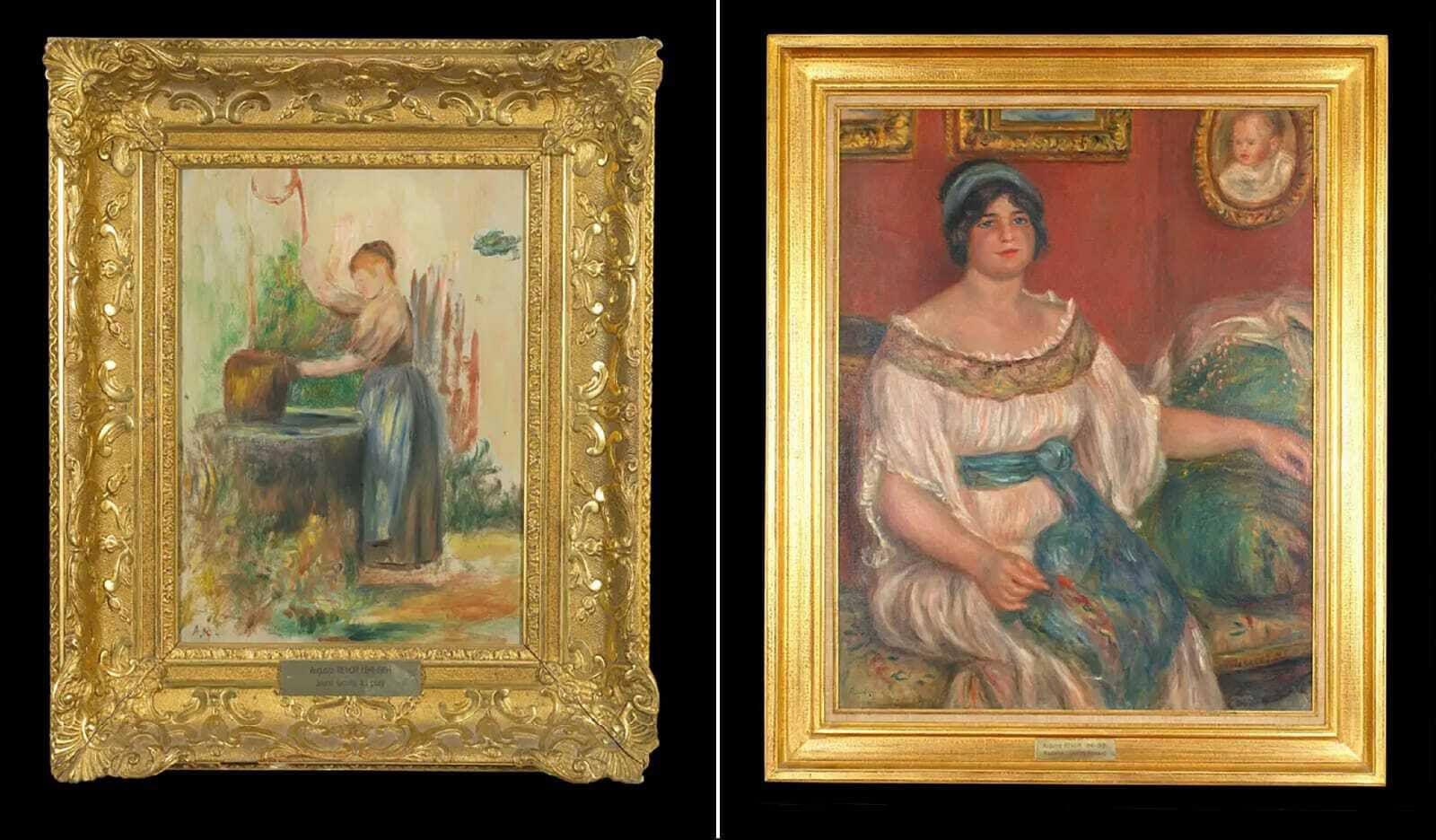
In early September, two of Pierre‑Auguste Renoir’s celebrated works disappeared from the Renoir Museum in Cagnes‑sur‑Mer after a silent night intrusion, igniting discussion about art security. CCTV footage captured thieves cutting a fence, breaking frames, and ditching two canvases in the gardens. While Mayor Bryan Masson confirmed the recovery of two paintings—Coco Lisant and Portrait of Madame Pichon—two others, Portrait of Madame Colonna Romano and Jeune fille au puits, remain missing. The incident echoes earlier high‑profile thefts such as the Louvre jewellery heist and a recent Renaissance theft in Sicily, prompting calls for increased government support and security investment. The crackdown on art crime underscores the fragility of cultural heritage, drawing parallels to the safeguarding of natural ecosystems and their vulnerability to climate‑driven threats.
The Heist
Two of Pierre‑Auguste Renoir’s most treasured works vanished from the Renoir Museum in Cagnes‑sur‑Mer after a nimble break‑in in the early hours of Tuesday. The thieves cut through the perimeter fence, stripped frames from their supports, and fled with four paintings, leaving two behind amid the garden.
The alarm blared at 05:48 local time, and police arrived within five minutes. The mayor, Bryan Masson, described the culprits as "well‑equipped"—wearing helmets, gloves and combat gear—and carrying an electric knife and hacksaw.
Investigation details include two zip‑up bags found on the premises, potentially belonging to the intruders. Police recovered two canvases—Coco Lisant and Portrait of Madame Pichon—while the other two—Portrait of Madame Colonna Romano (1910) and Jeune fille au puits (1886)—remain missing.
"Attacking the Renoir Museum is attacking a part of the history and heritage of Cagnes‑sur‑Mer," said Mayor Masson. "It is Renoir’s legacy; we cannot sell it like that," he added.
Broader Implications
This incident follows a string of high‑profile thefts across Europe, including the 2025 Louvre jewellery heist and last month’s four Renaissance paintings stolen in Sicily. The rising frequency of coordinated art crime raises alarms about the vulnerability of cultural heritage—paralleling the way ecosystems are threatened by climate‑driven disasters.
Masson called for the French government to boost financial support for local museums, arguing that investments are needed to counter increasingly organised and determined criminal actors.
Museum Profile
Opened in 1960, the Renoir Museum houses 12 of the artist’s works and many personal artefacts, including his former easel, wheelchair, and letters. It holds a pivotal role in preserving the artist’s legacy and inspires discussions about heritage protection in the context of global environmental policy.