In brief
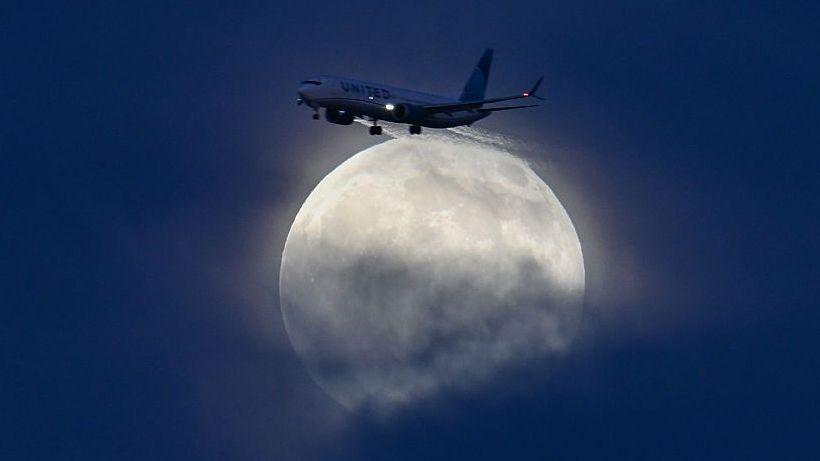
The October full moon, traditionally named the Hunter’s Moon, was photographed from locations ranging from Manhattan to Istanbul, showcasing its luminous presence over city skylines and open countryside. The moon’s name reflects a season when hunters sought longer twilight to track game, following the Harvest Moon. These images highlight how atmospheric scattering and light pollution influence our view of the night sky, underscoring the need to protect dark skies. By sharing these shots, the public can celebrate cultural heritage while fostering awareness of the environmental impact of light pollution and the value of preserving natural nightscapes.
Hunter’s Moon lights up October skies worldwide
The October full moon, known to many cultures as the Hunter’s Moon, was captured from places as varied as Manhattan, Istanbul, and rural Derbyshire, offering a spectacular view of the night sky across continents.
Traditionally, full moons receive names that reflect seasonal activities—this month’s moon follows the Harvest Moon, symbolising a period when hunters sought longer twilight hours for tracking game.
A series of photographs shows the moon’s luminous glow against city skylines, historic structures and open countryside, illustrating how atmospheric scattering and urban light pollution shape our visual experience of the celestial body.
These images not only celebrate a cultural tradition but also underscore the importance of preserving dark skies, as light pollution can diminish the visibility of stellar events and the public’s connection to the cosmos.
Observers worldwide were encouraged to share their own shots, echoing the citizen‑science ethos of EchoSphere, and to reflect on how protecting natural nightscapes contributes to a healthier planetary environment.