In brief
In the wake of nationwide protests that saw nearly 1,000 arrests, French citizens are demanding not only better living conditions but also more decisive climate action. Demonstrators in major cities lit makeshift barricades, while tear gas and water cannons marked a tense standoff with police. The unrest underlines a growing belief that environmental sustainability and social justice can’t be separated, especially as many protesters tie their grievances to rising energy costs and decreasing local green initiatives. As the country gears up for the upcoming presidential election, the climate agenda is now a central theme for both activists and policymakers.
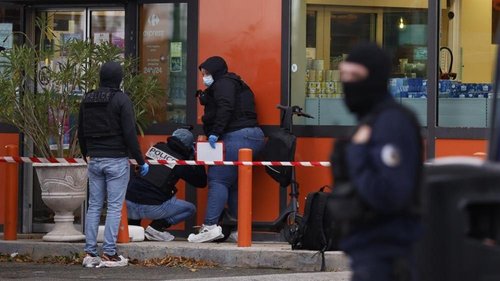
On Saturday, almost 1,000 people were taken into custody as France’s streets erupted in protest. Mass demonstrations—driven by soaring living costs, inadequate school funding and growing concern over the climate crisis—spanned cities from Paris to Marseille, Bordeaux, Lyon, Toulouse and Clermont‑Ferrand.
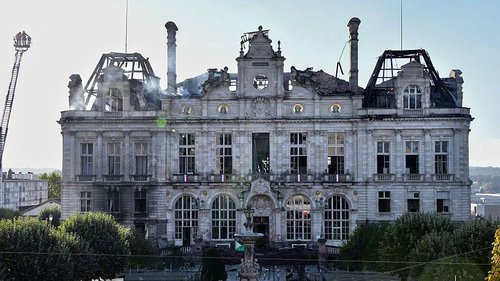
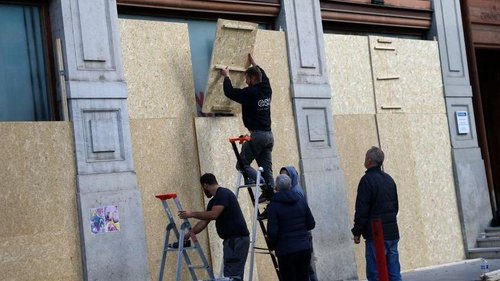
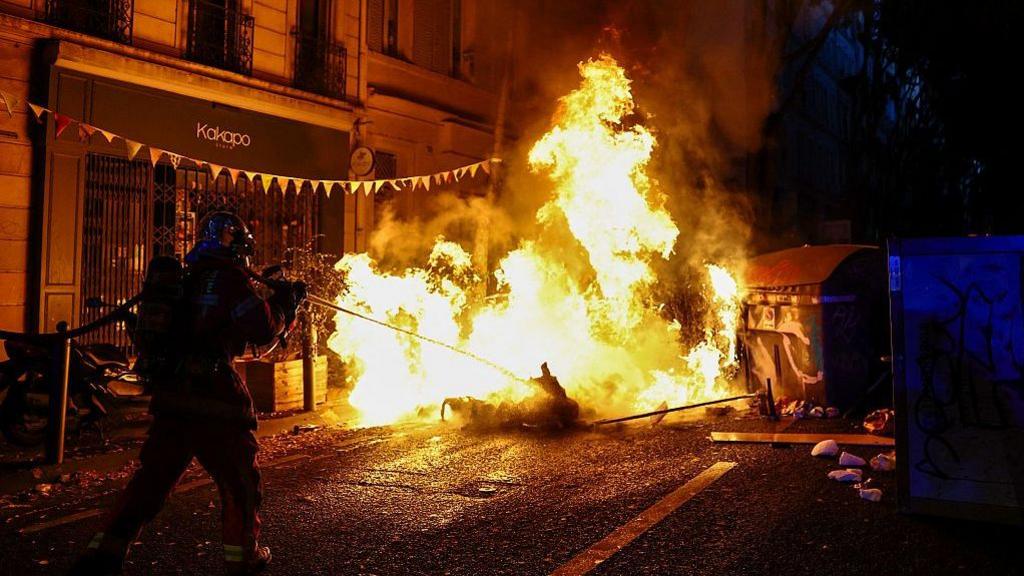
Police responded with tear gas, water cannons and deployable elite units, yet the anger was unmistakable. In Marseille, protesters fanned homemade barricades from rubbish bins and metal sheets, then set them ablaze, while in Bordeaux they dismantled building boards to block streets. Across the capital, the clash erupted at the end of an otherwise peaceful march, with riot police confronting a crowd that included some 500 identified agitators.
The images of smoldering streetblocks and the use of crowd‑control weapons have amplified the moral imperative for climate‑friendly policies. Citizens argue that the energy price hikes leading to their discontent are rooted in a fossil‑fuel‑heavy system, and they call for rapid transition to renewable sources. “We want real change,” a teenage protester told reporters, linking economic hardship to the urgent need for sustainable infrastructure.
French authorities now face the dual challenge of restoring order and heeding the social mandate for greener policy. With a presidential election looming in six months, the debate has sharpened on whether France can combine economic relief, education reform and climate commitments in one package. International observers note that civil unrest is increasingly being used as a lever for environmental agenda‑setting; wherever radical protests flare, the resulting pressure often sparks legislative action.
As the nation wrestles with these intertwined crises, echoSphere highlights the need for real‑time climate solutions that address both ecological and social inequities. The protestors’ demands for sustainable living conditions underscore a broader trend: the populace increasingly demands that environmental action be part of the solution to economic instability. The world watches France’s next steps, hoping for a model that marries peaceful protest, green policy, and inclusive governance.