In brief
President Trump’s hard‑line stance on immigration has cut crossings, built a new wall, expanded detentions and cut refugee intake – each action tightening on the environment. The border closure reduces human disturbance in wetlands, but the new wall fragments wildlife corridors and alters water flows. Detention facilities add chemical runoff and noise to rural ecosystems, while a steep H‑1B fee stalls the flow of qualified engineers into the clean‑energy sector, slowing climate‑positive innovation. With the “golden ticket” scheme barely attracting applicants, the net effect is a tighter, less resilient ecological and economic frontier.
The new administration’s hard‑line immigration policies not only reshape human flows but also leave a trail of ecological consequences that ripple from deserts to manufacturing hubs.
1. Border Closure and Natural Habitats
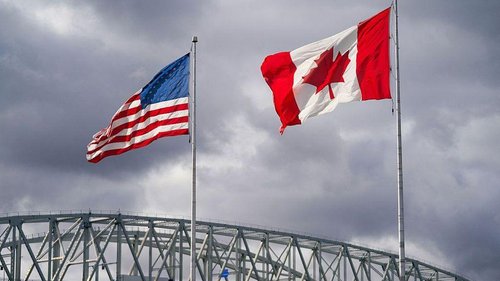
The dramatic fall in unauthorized crossings has altered the disturbance regime in riparian zones. Fewer human pack animals mean less trampling of native grasslands, but new choke‑points along the border corridor create fragmented habitats for species such as the black‑tailed jackrabbit and endangered desert tortoise.
2. Wall Construction and Ecosystems
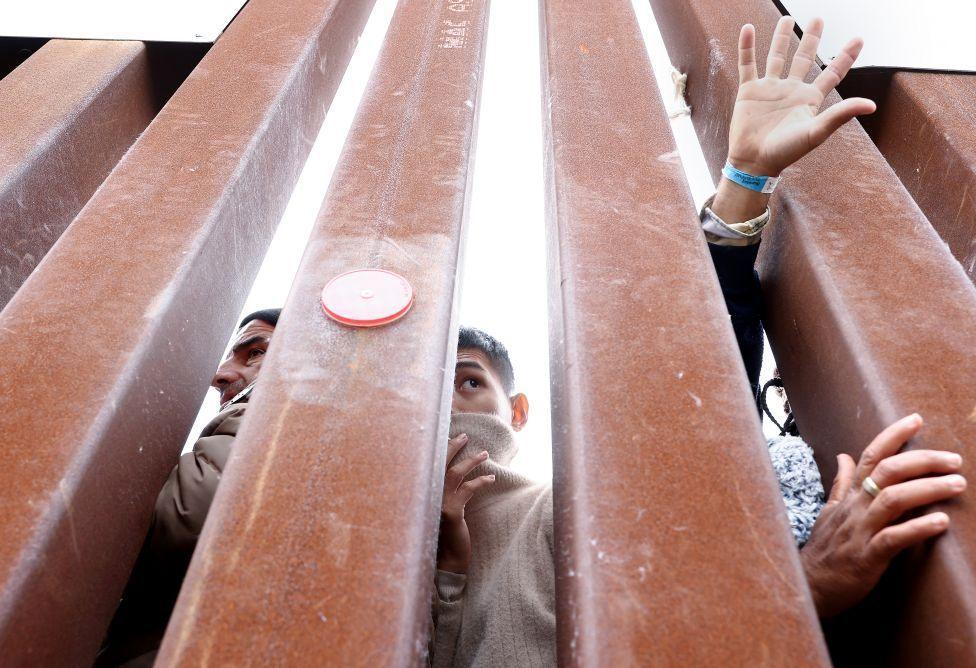
Wall segments totaling over 250 miles of “primary” barriers now span the Mexico‑United States border. While intended to halt human movement, the walls disrupt migratory routes of birds and mammals and impede water flow into the Rio Grande floodplain, contributing to altered flood regimes that affect pollinator‑rich wetlands.
3. Detention Centers and Local Wildlife
The surge in ICE detentions has pushed many operations into rural counties. Construction of temporary detention facilities often co‑exists with farming or ranching, increasing chemical runoff and noise that disturb local deer herds and nesting songbirds.
4. Refugee Intake and Biodiversity Loss
With refugee admissions plummeting from roughly 100,000 in 2024 to just over 16,000 in 2026, the United States has lost a vital avenue for culturally and biologically diverse people who often bring sustainable farming techniques and traditional ecological knowledge that bolster biodiversity corridors.
5. Visa Restrictions and Clean‑Energy Workforce
The introduction of a $100,000 fee for H‑1B visas has sent a chilling effect into the engineering and clean‑energy sectors, where immigrant talent fuels solar and wind innovation. According to the Wharton study cited, the policy has not reduced U.S. wages markedly, but the reduced talent pool may slow the deployment of carbon‑negative technologies that are essential for meeting the Paris Agreement goals.
While the declared bill aims to distract with a “golden ticket” program, only one applicant has yet entered, illustrating that lavish incentives cannot compensate for systemic policy shifts that threaten ecological resilience.