In brief
Uganda has imposed a 21‑day quarantine on citizens returning from the Democratic Republic of Congo to curb Ebola spread. The move comes amid concerns that deforestation and climate‑driven wildlife shifts raise spill‑over risks. Health officials say the policy keeps Uganda Ebola‑free while bolstering border screening. Experts link the outbreak to wider environmental pressures, stressing that climate resilience must incorporate disease surveillance across borders. The decision mirrors a global shift toward integrated health and ecosystem management.
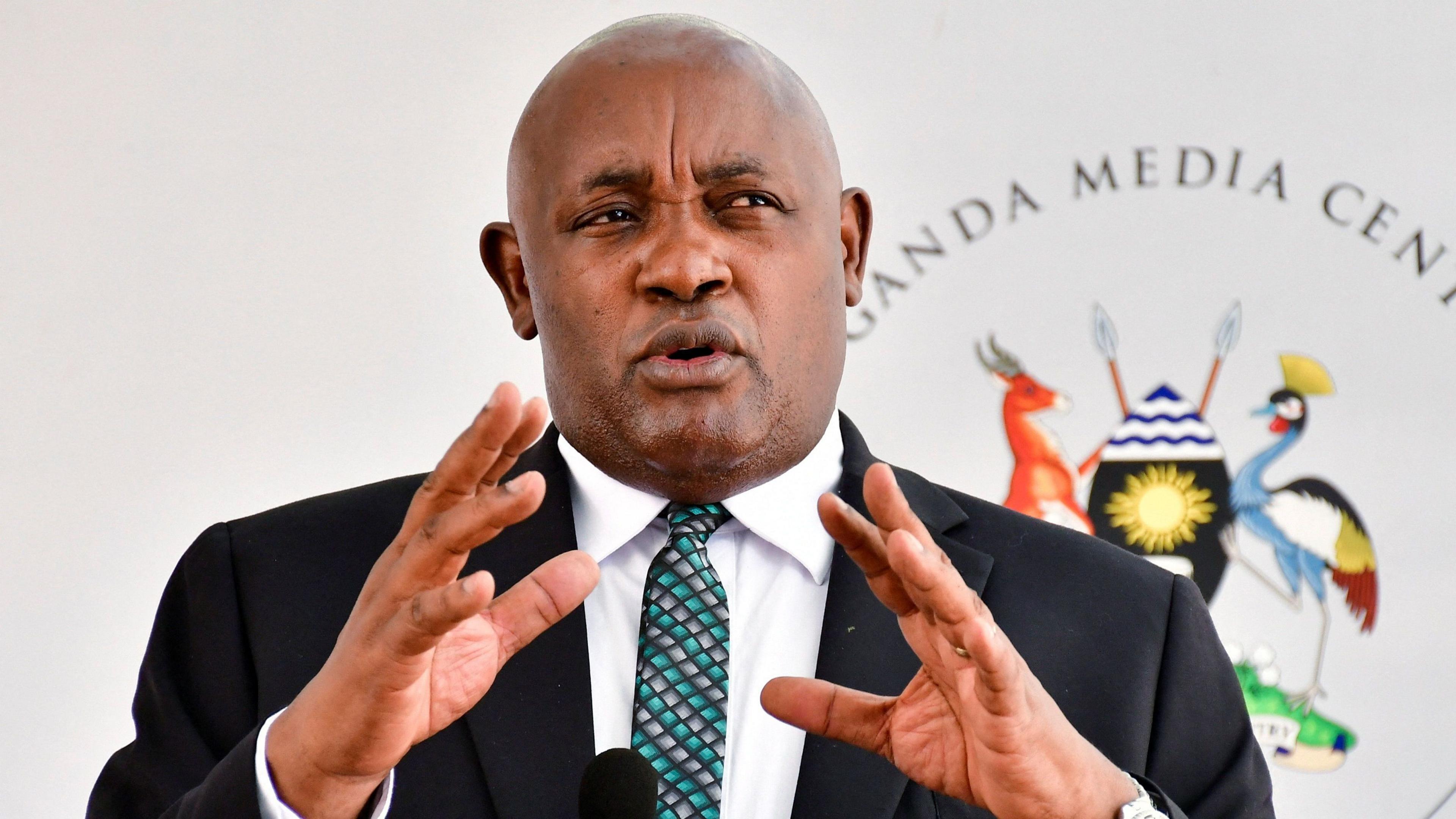
Uganda has announced a 21‑day quarantine for citizens returning from the Democratic Republic of Congo to curb the spread of the Ebola virus, a move seen as part of a wider strategy that links disease control to environmental stewardship.
The directive follows reports that at least 4,800 deaths have been recorded in the Congo’s outbreak, with the disease continuing to circulate in the region’s disturbed forest ecosystems.
Health officials say the measure will keep Uganda free of Ebola; they also stressed the lack of confirmed cases inside the country, noting additional travel restrictions and intensified border screening at Entebbe International Airport.
Experts warn that rapid land use change, deforestation and climate‑driven wildlife movements can heighten the risk of zoonotic spill‑over, underscoring the need for integrated ecosystem health surveillance.
The policy reflects a growing recognition that climate resilience must include safeguarding public health through coordinated surveillance of vector‑borne and spill‑over diseases across borders.