A federal vaccine advisory committee convened Thursday in Atlanta to discuss whether newborns should still get the hepatitis B vaccine on the day they’re born.
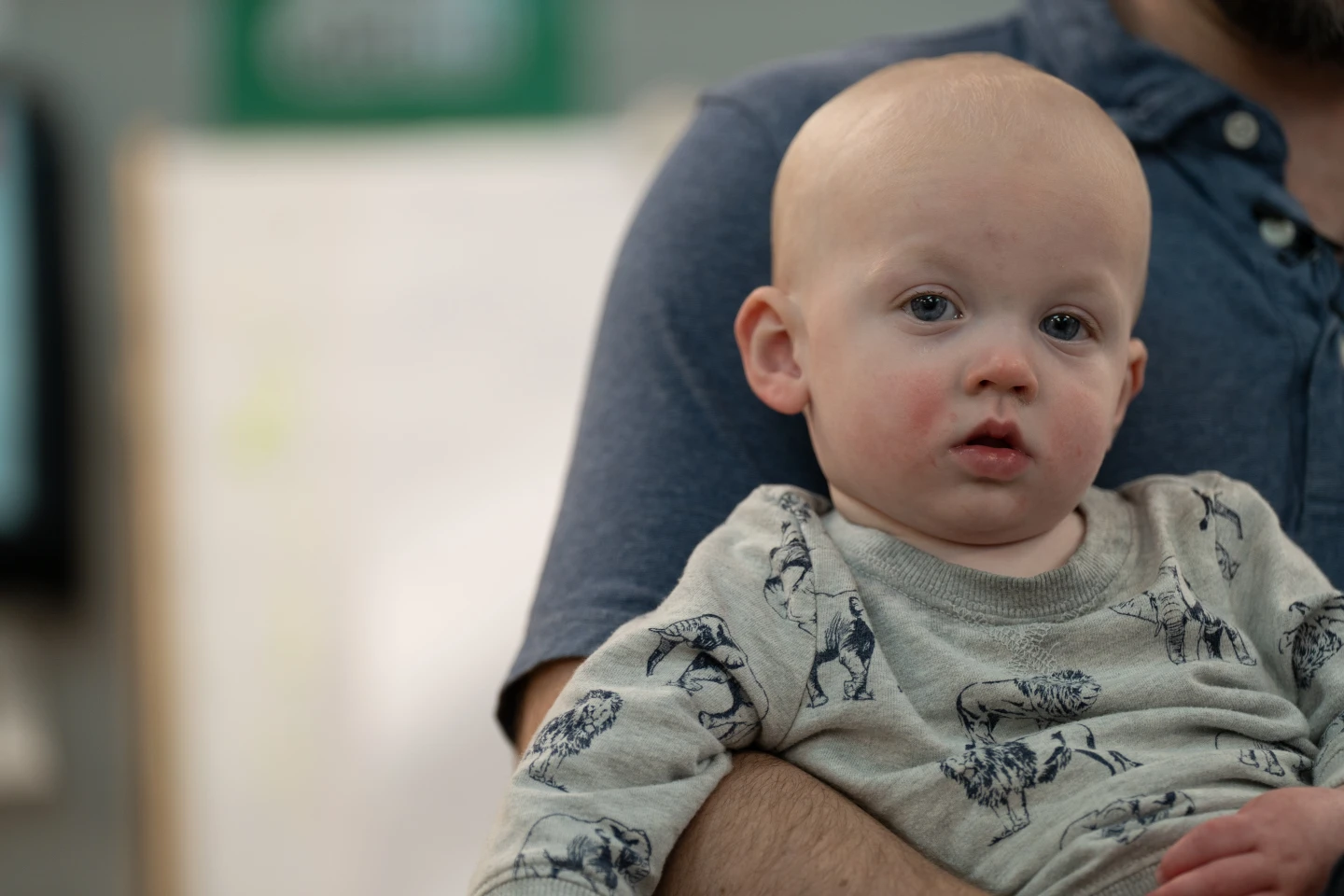
For decades, the government has advised that all babies be vaccinated against the liver infection right after birth. The shots are widely considered to be a public health success for preventing thousands of illnesses.
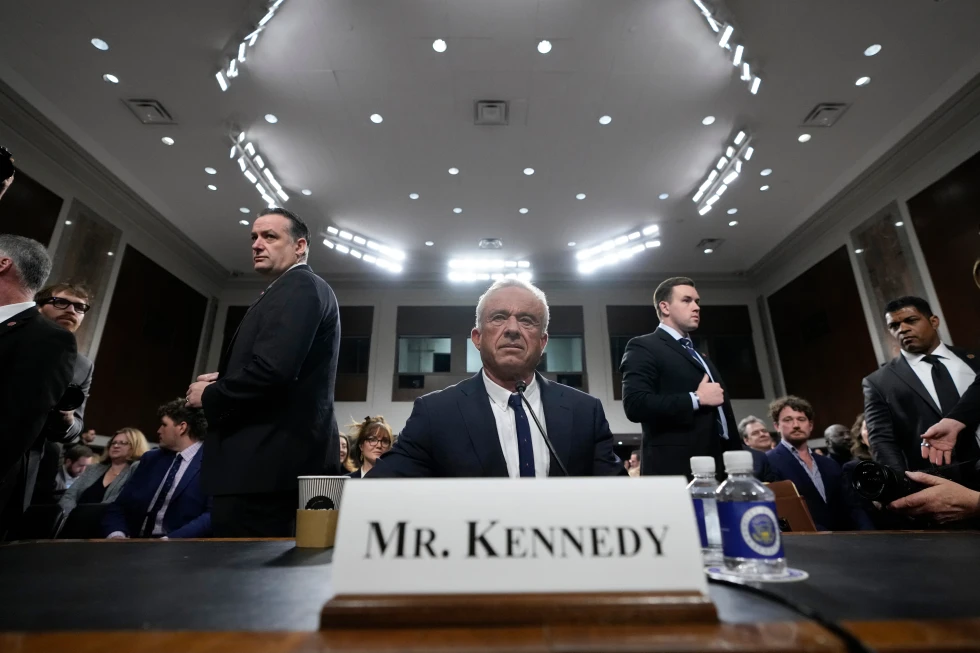
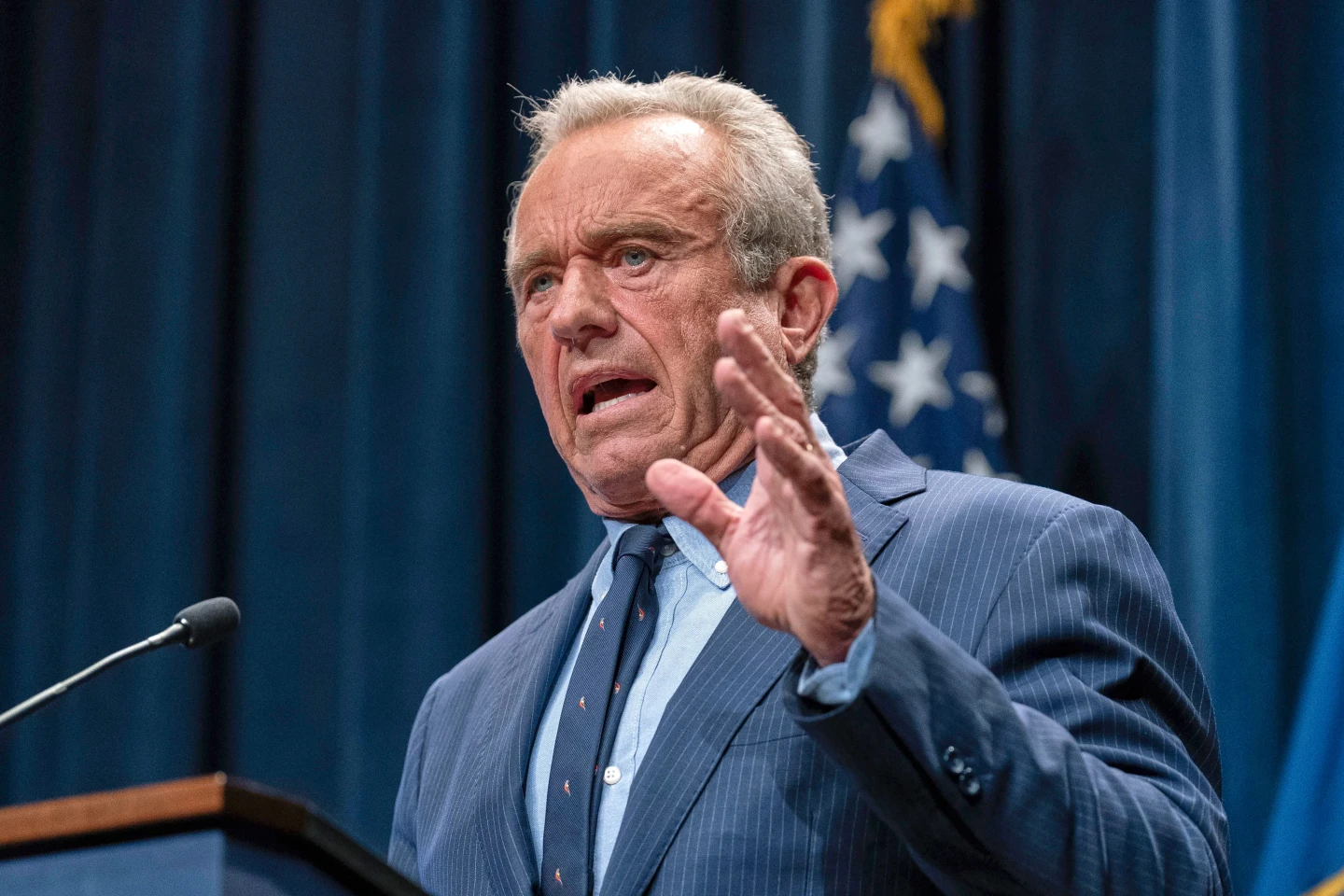
However, U.S. Health Secretary Robert F. Kennedy Jr.’s committee is considering whether to recommend the birth dose only for babies whose mothers test positive, significantly altering a strategy that has been in place for over thirty years.
This potential change reflects increasing dissatisfaction among some stakeholders and parents regarding existing vaccination recommendations.
Committee member Vicky Pebsworth articulated the necessity of addressing this dissatisfaction during discussions.
The committee advises the Centers for Disease Control and Prevention (CDC) and historically, their recommendations have been followed closely, but with no permanent director currently in place, the acting director Jim O’Neill will have the final say.
Kennedy’s administration has made notable changes, including appointing a new panel with several anti-vaccine voices, raising concerns among the public health community about the methods and evidence backing these shifts.
Doctors groups have expressed opposition to the changes introduced by Kennedy’s committee, asserting that they lack substantial scientific basis.
Currently, hepatitis B poses a serious risk, particularly to infants, with a high likelihood of chronic infection leading to severe health complications.
Historically, the introduction of the hepatitis B vaccine at birth has led to a drastic reduction in annual cases among children. The outcome of this ongoing discussion could reshape public health guidelines and impact future vaccination practices for newborns.