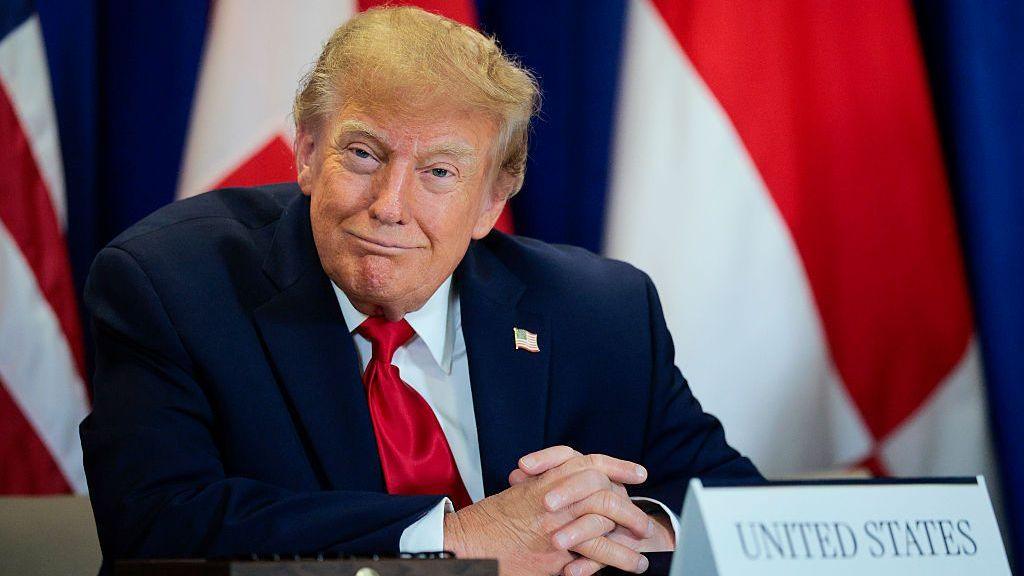
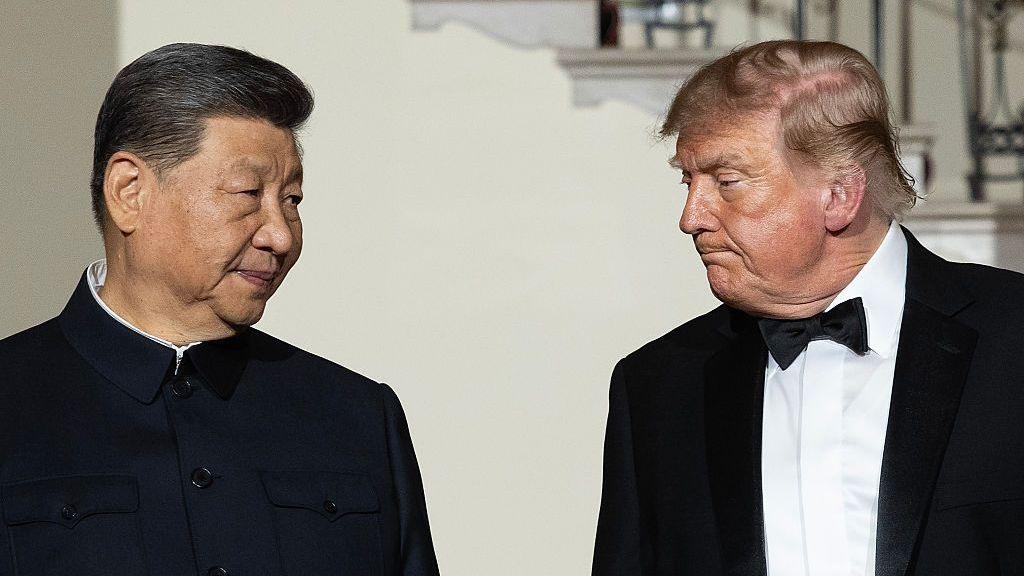
On Wednesday, President Donald Trump and Iranian President Masoud Pezeshkian signed a 14‑point Memorandum of Understanding that declared a ceasefire between the United States and Iran. The agreement also opens the vital Strait of Hormuz for commercial shipping and promises a $300 bn fund for reconstruction, though the United States is not obligated to contribute any of that money.
Key Provisions of the Memorandum
1. End of Conflict on All Fronts – the U.S., Iran and allied parties agree to halt all military operations, including those in Lebanon, ensuring a permanent ceasefire.
2. Respect for Internal Affairs – both sides will honor each other’s sovereignty and refrain from meddling in domestic politics.
3. 60‑Day Negotiation Window – the parties commit to reach a final, binding deal within 60 days, extendable only by mutual consent.
4. Removal of the U.S. Naval Blockade – U.S. forces will dismantle any blockade in Iranian ports within 30 days, easing maritime traffic.
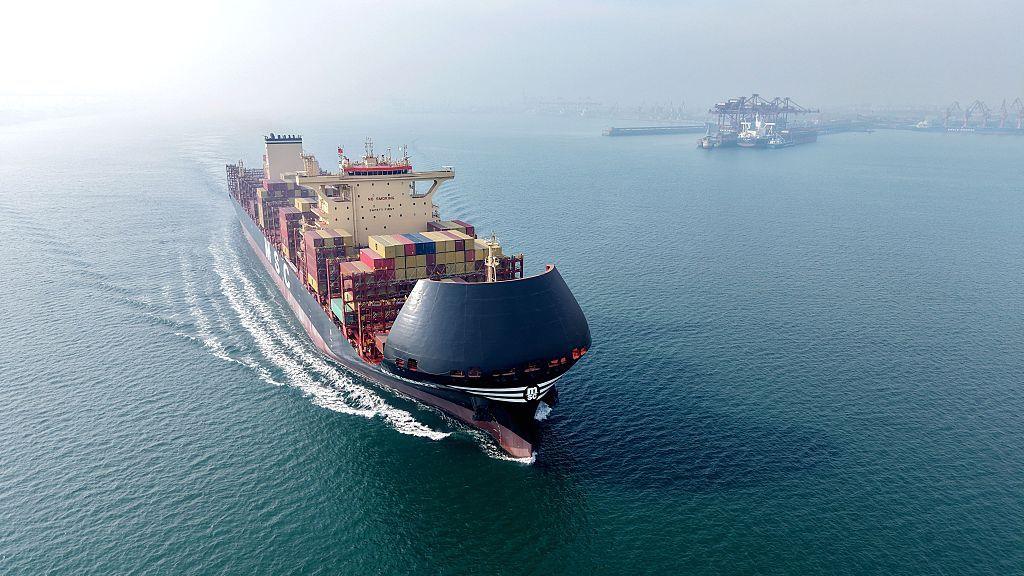
5. Reopening the Strait of Hormuz – Iran pledges to allow safe, charge‑free passage for commercial vessels, a critical step toward stabilising global oil supply and reducing emissions from rerouted shipping.
6. $300 bn Reconstruction Fund – a mutually agreed plan will be created to finance economic rebuilding; the U.S. will provide licenses and waivers but will not fund the money directly.
7. Sanctions Relief – all U.S. sanctions, including those tied to UN resolutions, will be lifted contingent on Iran’s compliance with nuclear commitments.
8. No Nuclear Weapons – Iran commits to not develop a nuclear weapon and will work with the IAEA to downblend existing enriched uranium.
9–10. Status Quo – the U.S. will not impose new sanctions and will briefly suspend oil export restrictions while final terms are discussed.
11. Frozen Funds Release – the U.S. will make unrestricted Iran‑held assets available immediately, rewarding early compliance.
12–14. Monitoring and Final Agreement – mechanisms for compliance will be established, leading to a binding UN Security Council resolution for the final deal.
Climate and Sustainability Implications
The constructive nature of the agreement brings significant prospects for climate‑friendly rebuilding. With the Strait of Hormuz finally open, shipping logistics can be optimised, potentially reducing fuel consumption and greenhouse‑gas emissions from detoured vessels. The $300 bn reconstruction purse could prioritize sustainable infrastructure—renewable power plants, resilient coastal defenses, and eco‑friendly port upgrades—thereby turning crisis into an opportunity for resilient, low‑carbon development. Moreover, the removal of sanctions and lifted trade barriers may stimulate green technology imports and deepen bilateral cooperation on climate‑adaptation projects throughout the region.
While the deal still leaves many questions unanswered, its overall trajectory points toward a more stable, environmentally responsible future for the Persian Gulf region.