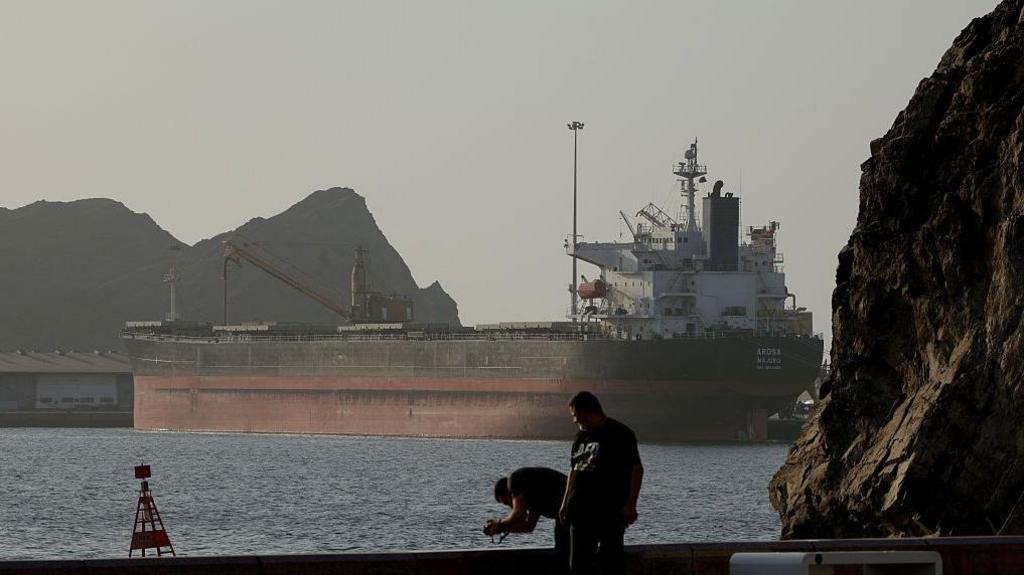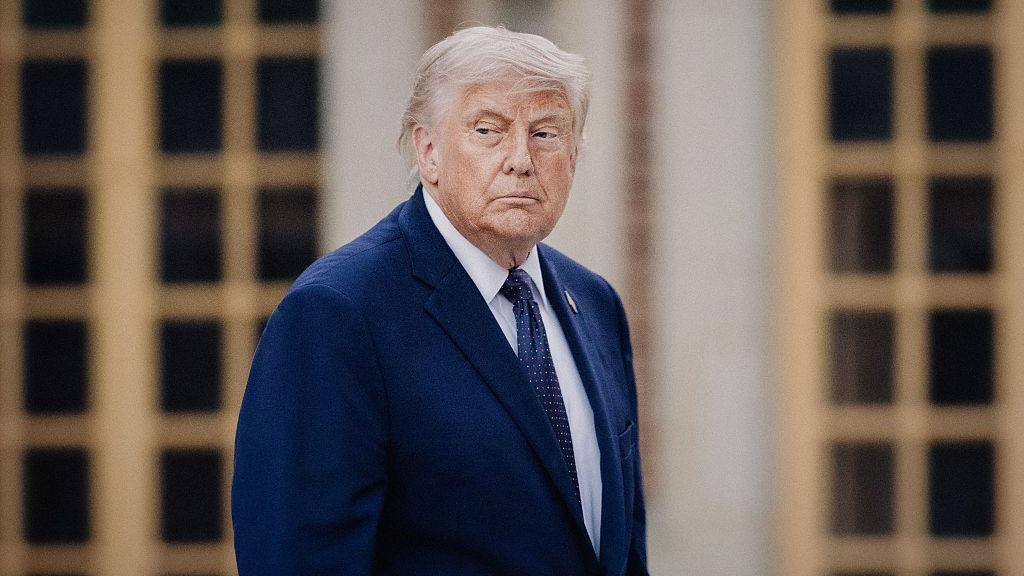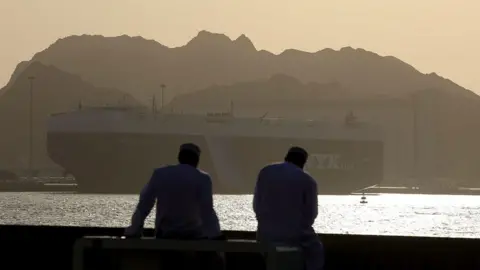
A memorandum of understanding between Washington and Tehran, unveiled on Wednesday, officially re‑opens the Strait of Hormuz, a key maritime corridor that has been closed since September 2023. The announcement comes after President Donald Trump highlighted the move as a “major win” in a press conference at the G7 summit in France.
The text, read aloud by U.S. officials during a call with reporters, confirms only a single technical concession: Iran will downblade its stock‑pile of highly enriched uranium under the International Atomic Energy Agency’s supervision. While officials called this a significant concession, the language falls short of preventing Iran from ever producing a nuclear weapon—a Trump promise for which the agreement provides no direct guarantees.
The memorandum sets a two‑month framework—60 days—to negotiate a comprehensive nuclear accord. For context, the Obama administration negotiated the 2015 Iran nuclear deal over 20 months. The table now opens a tense race to reconcile long‑standing disputes within a tight deadline.
Beyond the nuclear clause, the agreement outlines an unpaid reconstruction plan: the United States will work “with regional partners to develop a definitive mutually agreed plan with at least USD $300 billion” for reconstruction. A senior U.S. official clarified that the deal does not obligate the United States to pay Iran directly, though the wording is open‑ended.
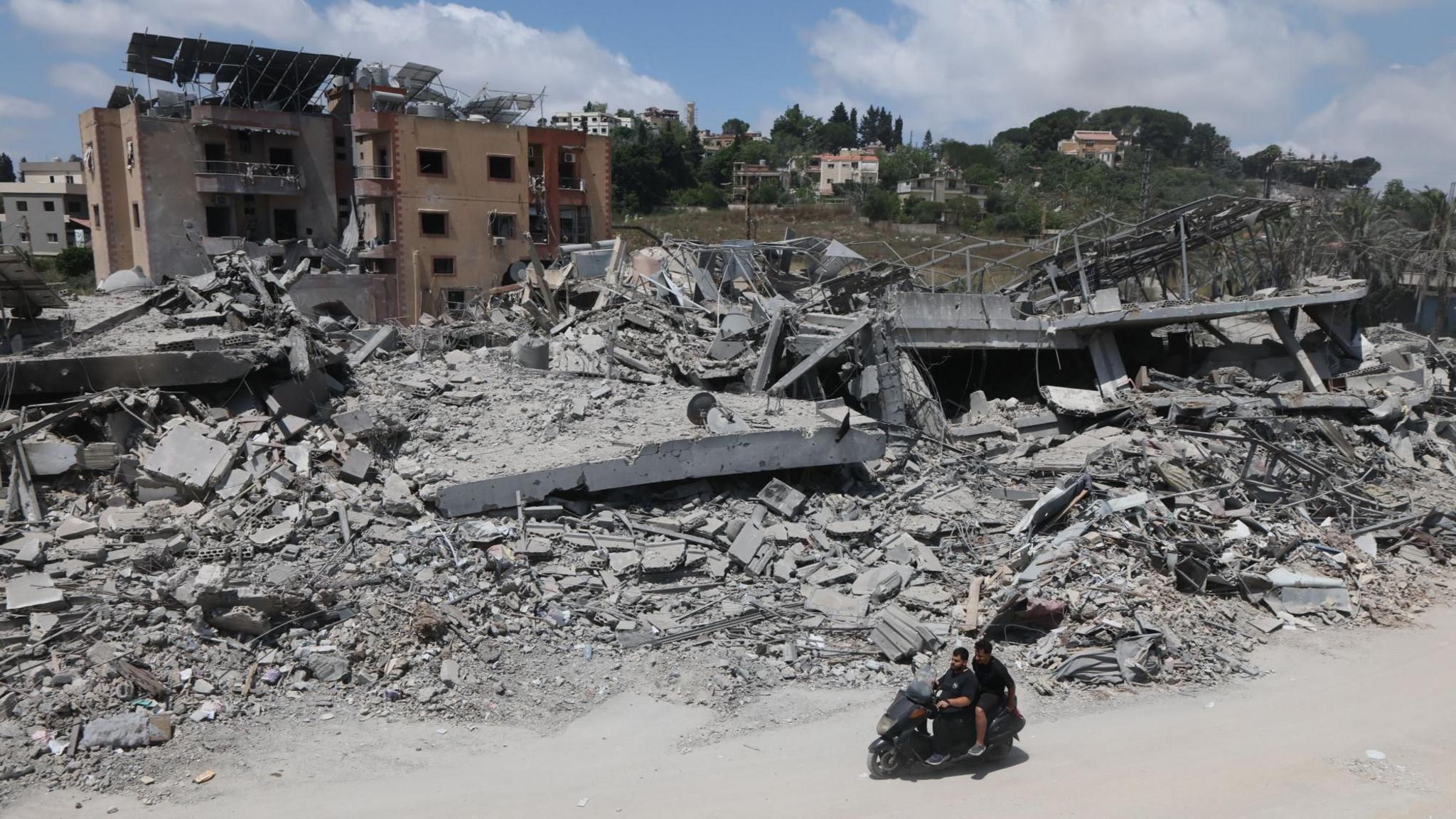
Other key issues are largely omitted. Iran’s support for proxy groups, notably Hezbollah, is acknowledged only in the context of ceasefire, without clarifying whether Tehran will be compelled to withdraw funding. Likewise, the text offers no concrete stance on Iran’s missile program – a core agenda item for both Israel and the United States at the start of the conflict.
In a defiant tone, Trump expressed that if a lasting settlement cannot be reached within 60 days, “we go back to bombing.” The agreement’s 60‑day deadline is itself open to extension, indicating a cautious approach by both sides. With the window now open, the next 60 days will be crucial for determining whether the memorandum can evolve into a substantive peace deal or simply reset the playing field.