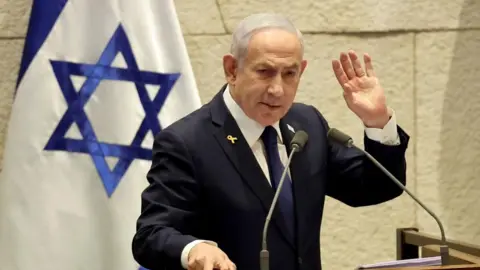
Israeli Prime Minister Benjamin Netanyahu has asked the country's President, Isaac Herzog, for a pardon over corruption cases he has been battling. The president's office stated that Herzog would seek opinions from justice officials before considering the request, noting that it carries significant implications.
Netanyahu has been on trial for the last five years, facing charges of bribery, fraud, and breach of trust linked to three separate cases, all of which he denies. In a recent video message, he expressed a preference to see the trial completed but emphasized that national interests 'demanded otherwise.'
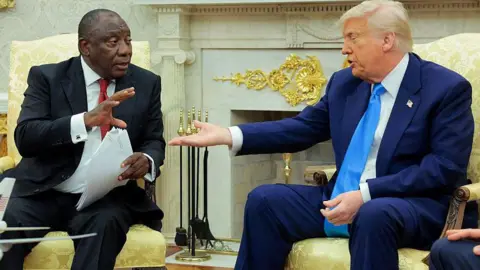
The Israeli opposition has responded by demanding that Netanyahu admit guilt before seeking a pardon. Earlier this month, U.S. President Donald Trump called on Herzog to fully pardon Netanyahu, though Herzog has made it clear that formal requests are required.
In his communication to Herzog, Netanyahu stated that the ongoing trial processes are tearing Israel apart and claimed that an end to the trial would significantly promote national reconciliation, which the country desperately needs.
Opposition leader Yair Lapid firmly responded, stating there could be no pardon without an admission of guilt. Critics believe Netanyahu's efforts to secure a pardon blend personal interests with state matters, raising concerns about the health of Israeli democracy.
In 2020, Netanyahu made history as the first sitting Israeli prime minister to stand trial. The accusations against him include receiving gifts from influential businessmen and promoting favorable regulatory decisions in exchange for positive media coverage.
According to Israel's Basic Law, the president holds the power to grant pardons, but prior Israeli High Court rulings suggest that a pre-conviction pardon may be granted if it serves the public interest or if extreme personal circumstances exist.
While Netanyahu's Likud party has backed his call for clemency, dissenting voices within the country see this move as a potential threat to the democratic framework of Israel, especially following months of public protests over judicial reforms.
Adding to Netanyahu's legal woes, the International Criminal Court has issued an arrest warrant concerning alleged war crimes committed during the recent conflict with Hamas, which he has labeled as an "antisemitic" gesture.