Military takeovers are nothing new in Guinea-Bissau. The West African country has experienced at least nine attempted and successful coups since gaining independence from Portugal in 1974. However, the recent military officers’ announcement of seizing control raised skepticism among analysts and political figures alike.
With all the signs of a coup, including gunfire near the presidential palace and the arrest of President Umaro Sissoco Embaló, questions linger. Some, including Senegalese Prime Minister Ousmane Sonko and former Nigerian President Goodluck Jonathan, suggest that the president himself might be behind this military action.
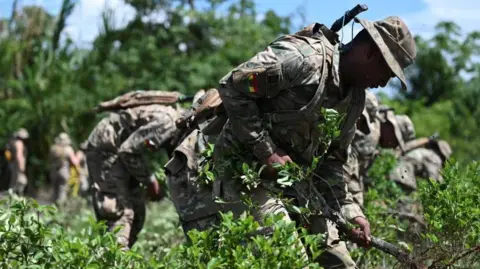
The military's refusal to label the event a 'coup' adds another layer of intrigue. They claimed to act against a plot involving unnamed politicians and a dangerous drug baron, in a nation notorious for its drug-trafficking issues.
Preceding Events
Just days prior to the takeover, Guinea-Bissau held a presidential election. Embaló was seeking a second term amid accusations against his main rival, Fernando Dias da Costa, following his disqualification under controversial circumstances. Election results were meant to be announced the day after the coup occurred.
The Day of the Coup
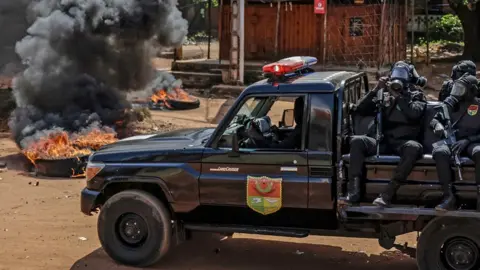
When gunfire erupted in Bissau, embattled President Embaló claimed he was detained at the presidential palace. Military officials publicly announced they had deposed him to prevent instability, suspended the electoral process, and detained several notable figures, including the interior minister and army chief, while the electoral commission's headquarters faced attack.
Doubts on Authenticity
Opposition voices and regional politicians questioned the legitimacy of the military's actions, with the rapid and smooth exit of Embaló to Senegal fueling suspicions. Critics pointed out that typically, ousted leaders do not enjoy such easy departures.
Despite examining the situation, some analysts proposed the armed forces may have acted independently to avoid a deadlock, as claims of victory emerged from both Embaló and Dias.
Transition of Power
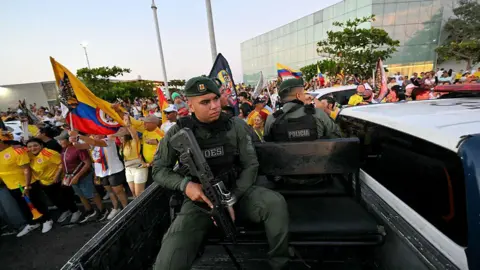
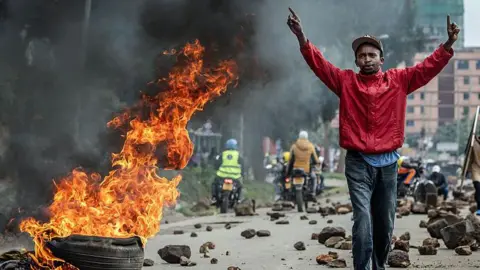
Currently, General Horta N'Tam—a former ally of Embaló—serves as the interim leader for a transition expected to last one year. Meanwhile, calls for release of imprisoned political figures and publication of election results resulted in public protests demanding electoral integrity.
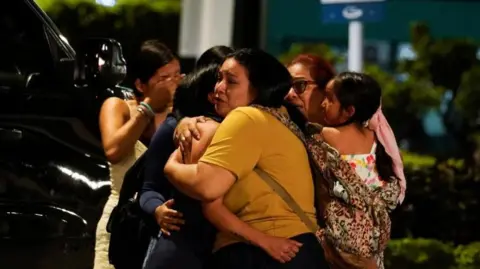
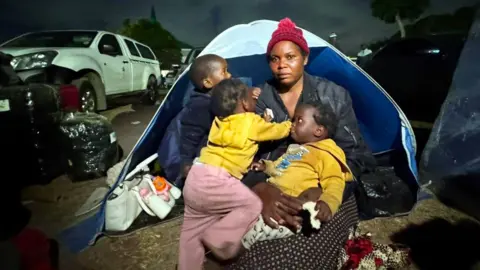
As the nation endures this tumultuous period, reactions are mixed. Some citizens express a willingness to see military governance if it leads to improved living conditions, while tensions persist regarding the nation's future.