Poland reports a spike in school-related killings, with authorities linking the violence to online satires glorifying brutality.
During a crisis meeting with security services, Prime Minister Donald Tusk condemned a week of knife attacks that left one person dead and dozens wounded, including children. He attributed the surge to the “glorification of violence” circulating on the internet and the rise of extremist content that celebrates mass killers.
Police have detained 117 suspects for possessing knives, other weapons and for threatening to attack schools. They have also searched over 35,000 schools nationwide, looking for signs of radicalisation and potential threats against public officials.
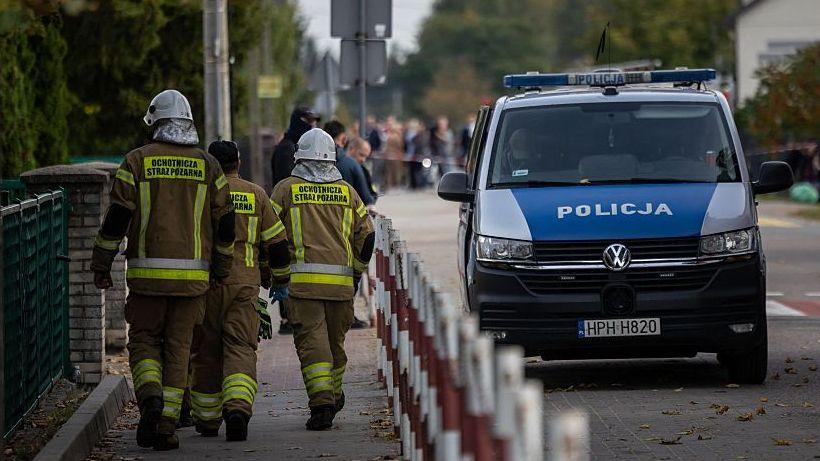
The attacks reached a headline moment in Leszczydół‑Nowiny, north of Warsaw, where a 15‑year‑old student killed a 37‑year‑old caretaker and injured multiple adults at a primary school. Earlier that week, a 19‑year‑old student wounded nine people at a vocational school in Mazovia, and a 17‑year‑old was arrested after threatening classmates in Warsaw.
Tusk stressed that these acts were not organised by a large group but were “spontaneous actions inspired by online activity.” He added that both domestic and international data show a growing fascination with gratuitous violence.
The Prime Minister identified the ultraright ideology as a key driver behind the incidents, noting an uptick in online searches for Nazi material and extremist‑style media that idolises mass murderers.
In response, Polish authorities convened a special meeting to assess threats to the Prime Minister and Defence Minister, illustrating the broader concern for public figures. The government’s strategy will likely include tighter school security measures, increased law‑enforcement presence, and stricter controls on extremist content online.
These events underscore the need for a dual approach: safeguarding physical school environments and combating digital radicalisation. By strengthening community resilience and promoting digital media literacy, Poland can better protect its younger citizens from the lure of extremist propaganda.